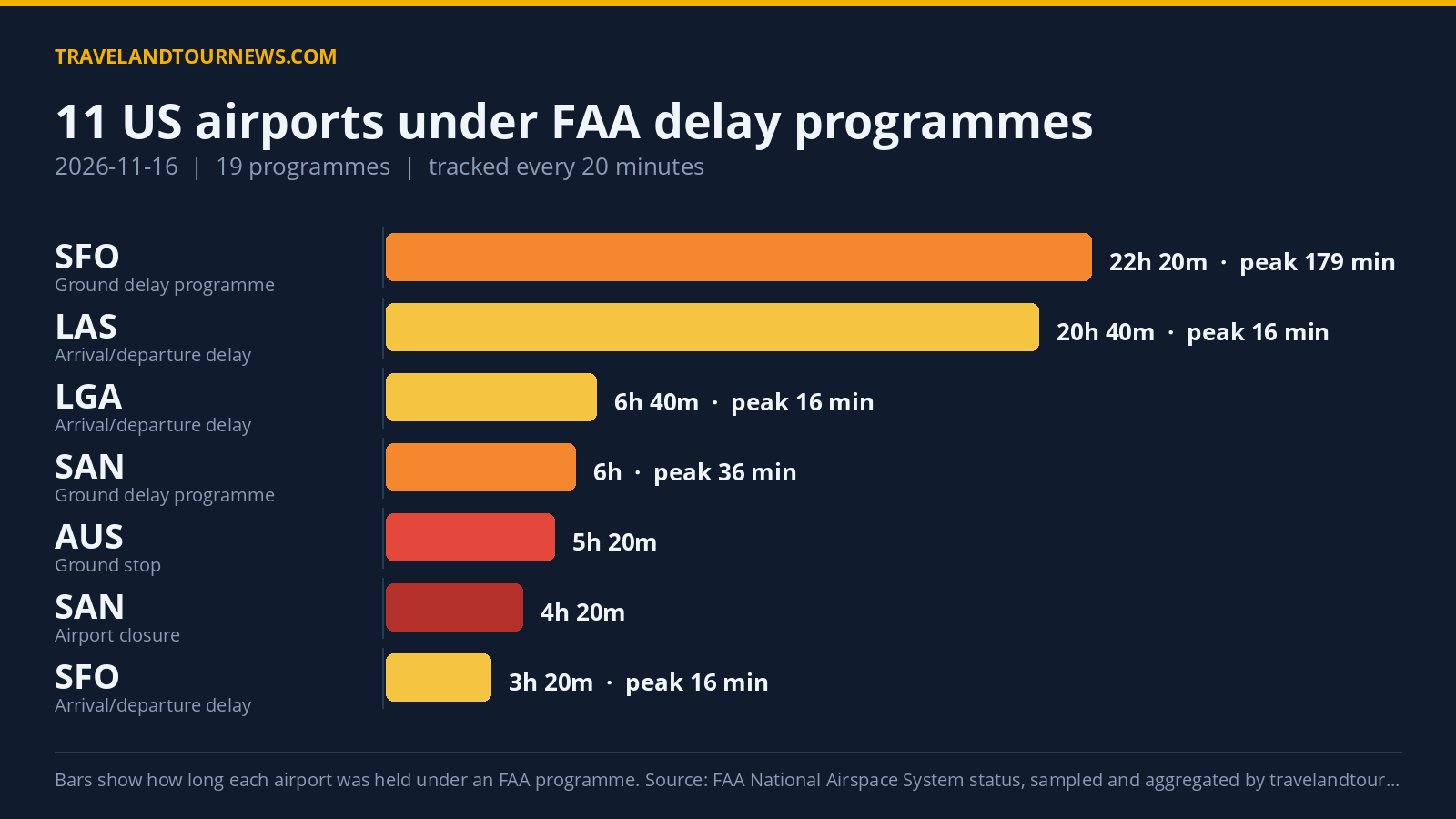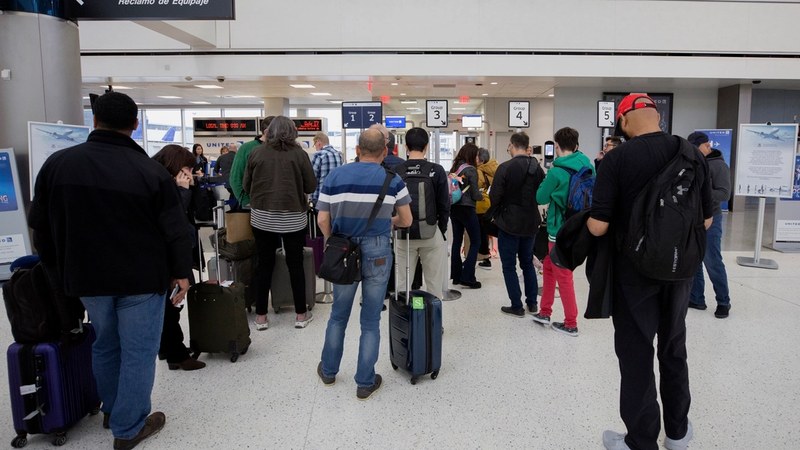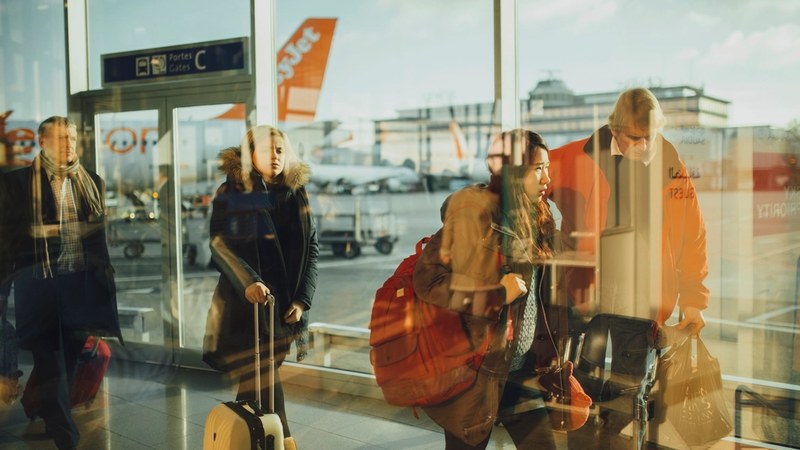
On November 16, 2026, US air travel continued to experience significant disruption with over 2,400 flights cancelled and around 8,800 delayed nationwide, marking the third consecutive day of irregular operations. JetBlue reported the highest cancellation rate on Sunday, with 28% of its flights cancelled, while American Airlines cancelled 17%. United Airlines, Southwest, and Delta Airlines saw cancellation rates between 3% and 5%, according to The Times Of India.
FAA Router Failures at Arkansas and Texas Facilities Trigger Disruption
The ongoing flight disruptions were caused by technical failures linked to router replacements within the Federal Aviation Administration’s (FAA) air traffic control network. The installation of a new router at the FAA
facility in El Dorado, Arkansas, set off data flow issues that impacted other routers, including one located in Amarillo, Texas. The Amarillo router began broadcasting uncontrollably, overloading approximately 60 similar routers nationwide, leading to cascading failures.
The malfunctioning routers were bought in 2001 and had become outdated by 2006, exposing vulnerabilities within the air traffic system’s aging infrastructure.
FAA’s Mitigation Efforts and Investigation Continue
In response, the FAA implemented a nationwide ground stop on the preceding Friday, which halted nearly all departing flights for nearly five hours to contain the problem. To mitigate further disruptions, the FAA disabled the functionality of the originating routers linked to
the failure and also disabled about 60 other routers with similar configurations across the country.
The FAA has not yet identified the exact root cause of the failure but stated it does not suspect sabotage or cyberattack. Sean Duffy, US Transportation Secretary, described the maintenance worker who installed the router as “a good American patriot, we believe, a veteran — so we don’t think that someone tried to sabotage the network on the install.” Duffy confirmed that investigations are ongoing.
Officials Call for Increased Air Traffic Infrastructure Funding
Sean Duffy assured the public that flight schedules would return to normal levels by Sunday and probably fully normal by
Monday, emphasizing that passenger safety remains the FAA’s top priority. He also highlighted the urgent need to upgrade the country’s air traffic control infrastructure, noting previous congressional approval of $12.5 billion in funding for upgrades during the past year.
Congressman Duffy called for a $50 billion budget to accelerate infrastructure modernization, an increase from an earlier $30 billion request.
US President Donald Trump publicly urged Congress to approve more comprehensive air traffic control upgrades, stating, “We have already started the work, but it should be done all at once, not in drips and drabs.” Trump criticized incremental funding approaches and
stressed the importance of fully completing the modernization effort swiftly.
Aging Infrastructure and Staffing Challenges in US Air Traffic Control
This incident revealed persistent challenges within the US air traffic control system, which relies heavily on obsolete equipment purchased over two decades ago. The aged technology increases susceptibility to system failures and contributes to the current fragility of national air traffic communications.
Additionally, the FAA faces a shortage of several thousand air traffic controllers, compounding operational stress and complicating system recovery efforts during disruptions.