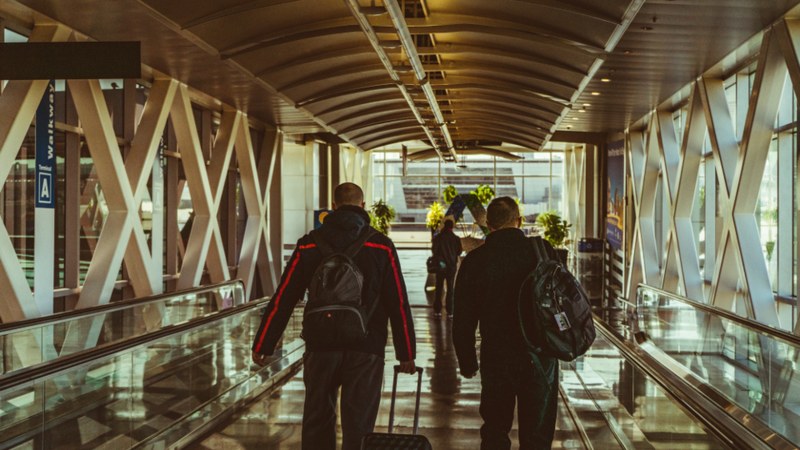
More than 2,400 flights were cancelled and approximately 8,800 delayed across United States airports on November 16, 2026, as the aviation system continued recovering from a nationwide Federal Aviation Administration (FAA) ground stop issued three days prior. On November 15, JetBlue Airlines experienced the highest cancellation rate at 28%, followed by American Airlines which cancelled 17% of its flights. United Airlines, Southwest Airlines, and Delta Air Lines reported cancellation rates between 3% and 5% for the same day, according to data from FlightAware.
Technical Failure Originates from Router Replacement at FAA Facility
The disruptions stemmed from a router replacement conducted by FAA contractor L3Harris at the FAA’s El Dorado,
Arkansas facility. This replacement triggered a technical cascade impacting air traffic control centers nationwide, primarily due to the activation of a recently replaced router in Amarillo, Texas, which began broadcasting excessive data. The overwhelming data flow caused overloads on other routers within the air traffic control system. The FAA responded by disabling the “functionality of the originating routers” along with roughly 60 other similar outdated routers. These routers were originally purchased in 2001 and classified as outdated by 2006.
FAA and Government Officials Provide Updates on Recovery and Investigations
US Transportation Secretary Sean Duffy stated that while flights began recovering on November 15, the system was expected to fully normalize
by November 16. He emphasized that flight safety remained the FAA’s top priority and denied any sabotage or cyberattack in relation to the router installation. Duffy referred to the installer as “a good American patriot, we believe, a veteran — so we don’t think that someone tried to sabotage the network on the install.” However, he added, “But we don’t actually have the root cause.” The FAA has yet to determine the exact technical cause behind the failure.
Aging Infrastructure Spurs Calls for Massive Air Traffic Control Modernization
The incident exposed long-standing vulnerabilities within the US air traffic control system, which faces challenges including outdated technology, equipment failures, communication issues,
and a shortage of thousands of air traffic controllers. Transportation Secretary Duffy has requested $50 billion from Congress to fund complete modernization of air traffic infrastructure, an increase from the previously suggested $30 billion and in addition to the $12.5 billion approved last year. President Donald Trump publicly urged Congress to approve substantial funding immediately, stating, “We have already started the work, but it should be done all at once, not in drips and drabs.”
Travel Industry Continues to Address Ongoing Operational Challenges
The FAA’s nationwide ground stop on November 13 lasted nearly five hours, marking the longest halt to US air travel since September 11, 2001. The
disruption caused over 10,000 flights to be cancelled or delayed over a three-day span, with ongoing recovery efforts impacting flight schedules nationwide on November 16. Airlines struggled to restore normal operations amid continued delays. FlightAware data confirmed the scale of cancellations and delays, impacting thousands of passengers across multiple US airports.