On November 16, 2026, the United States experienced significant air travel disruption with over 2,300 flights cancelled and approximately 7,700 delayed nationwide. Major airports including Chicago O’Hare, Chicago Midway, and the New York metropolitan area airports faced widespread delays and cancellations as the industry continued to recover from a recent Federal Aviation Administration (FAA) ground stop.
FAA Ground Stop and Operational Impact
The FAA issued a nationwide ground stop on November 14, 2026, lasting nearly five hours starting at 15:54 EST (20:54 GMT). This was the longest halt to U.S. air travel since the attacks on September 11, 2001. At the time, over 3,500 aircraft were
airborne, with some diverted or allowed to complete their flights. Despite lifting the ground stop, airports across the country including Chicago O’Hare, Chicago Midway, and the New York area continued to experience disruptions as airlines and controllers worked to restore normal operations.
Technical Causes of Disruption
The disruption began when FAA contractor L3Harris replaced a router at the FAA facility in El Dorado, Arkansas. This triggered data flooding issues at a recently replaced router in Amarillo, Texas, causing communication overloads across multiple air traffic control centers. The FAA responded by disabling the “functionality of the originating routers” and approximately 60 similar routers to mitigate
the problem. The problematic routers were originally purchased in 2001 and were considered outdated by 2006.
Airline Impact and Cancellation Rates
JetBlue Airlines reported the highest cancellation rate on November 15 with 28% of its flights cancelled. American Airlines cancelled 17% of its flights on the same day. United Airlines, Southwest Airlines, and Delta Air Lines had lower cancellation rates ranging from 3% to 5%. The disruptions on November 16 continued with thousands of flights cancelled or delayed as airlines tried to regain schedule stability.
Officials Call for Modernization and Recovery Timeline
U.S. Secretary of Transportation Sean Duffy said full restoration of normal flight operations might take until Monday, November 16 or
17 local time, citing the repositioning of aircraft and crews as factors delaying recovery. Duffy ruled out sabotage or cyberattack, describing the installation worker involved as “a good American patriot, we believe, a veteran — so we don’t think that someone tried to sabotage the network on the install.” He emphasized the need for major investments, stating, “We have to make investments into a network that has been neglected for decades.” President Donald Trump also urged Congress to approve $50 billion in funding for a comprehensive overhaul of the U.S. air traffic control system, up from an earlier $30 billion
request. Trump tweeted that modernization “should be done all at once, not in drips and drabs,” calling the current system “ridiculous” and among the oldest globally.
Aging Infrastructure and Traveler Effects
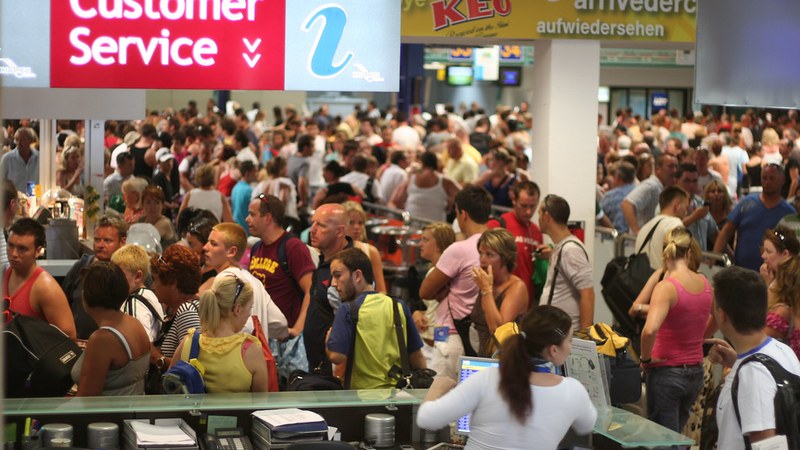
The FAA’s ground stop and ongoing flight disruptions spotlight the aging air traffic control infrastructure burdened by outdated equipment and a shortage of thousands of controllers. Approximately 10,000 flights were cancelled or delayed across November 14 to 16, affecting travelers at major hubs and connections to Europe and the UK. Passengers experienced extended waits in airports and on aircraft, with difficulties in contacting airlines and rescheduling. The political debate over funding for modernization has
intensified, with Congress having approved $12.5 billion for upgrades last year but further funding now sought to accelerate a full system renewal.