The Federal Aviation Administration issued a nationwide ground stop on Friday, November 13, 2026, grounding departures across the United States for about four hours until shortly before 7:30 p.m. local time. This marked only the second nationwide ground stop in U.S. history since the September 11, 2001 attacks and the first since January 2023.
Flight Cancellations and Delays at Chicago Airports
The ground stop and ensuing disruptions led to significant cancellations and delays at Chicago O’Hare and Midway International Airports over the weekend. As of 1:43 p.m. on November 14, Chicago O’Hare had 605 flight cancellations, while Chicago Midway recorded 72 cancellations. Average delays on November 14
at O’Hare reached 28 minutes, with Midway experiencing average delays of 23 minutes. On the night of November 14, Midway’s average delays increased to 65 minutes, with at least three Sunday morning flights canceled.
Passenger Struggles and Anecdotes
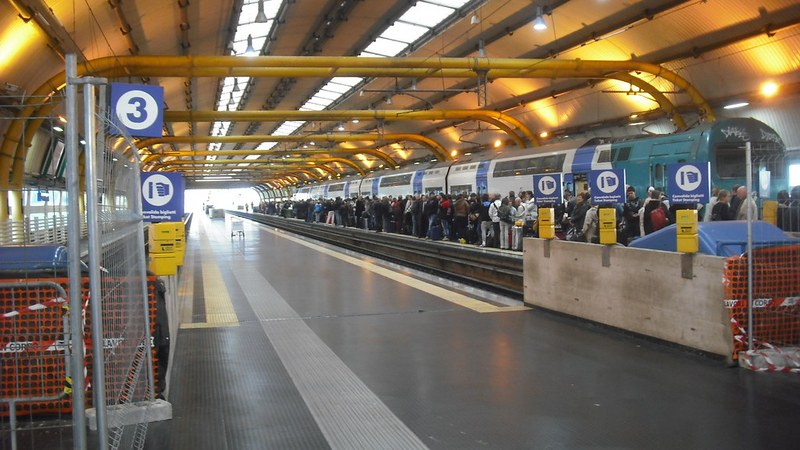
Thousands of travelers faced extended waits and logistical challenges including locating luggage and securing hotel rooms and rental cars that rapidly sold out. Passenger Vivian Azeredo reported her flight to Dublin lost tower contact mid-flight and endured a 6.5-hour tarmac wait before safely landing. Air traveler Gerard Hill and his wife, trying to reach Nashville for a birthday party, were stranded at O’Hare searching for luggage.
Hill stated, “From last night, I don’t think I wanna get on a plane no more after this because I don’t know what’s going on actually.” Another passenger, Stephanie Hugel, missed a two-minute connection at Midway and was forced to spend the night at the airport, noting she had been at the airport since 5 a.m.
Cause of Disruption and FAA Response
Transportation Secretary Sean Duffy attributed the ground stop to a failure in an FAA communications equipment upgrade affecting the agency’s aging technology systems. Duffy denied any cyberattack involvement, saying, “We don’t believe this was cyber at all. This was an FAA system that didn’t
meet -didn’t meet the moment.” Homeland Security officials likewise stated no evidence currently points to a cyberattack, but investigations continue. Chicago’s Department of Aviation confirmed no city infrastructure was involved in the communications failure.
Operational Challenges and Ripple Effects
The FAA ground stop forced airlines to reposition crews and aircraft to recover from the backlog, causing continued delays into November 15. Passengers were stranded on tarmacs and inside terminals, while some missed connections or stayed overnight at Chicago airports. Dan Throm, stranded in O’Hare, awaited transportation and luggage recovery. Airlines including Air Canada canceled flights between the U.S. and Canada, while Mexico’s Federal Civil Aviation
Agency imposed temporary restrictions. Canada’s Civil Air Navigation Service reported no impact on Canadian systems. Flights to Europe resumed earlier due to different system usage.
Impact on College Football Schedules
The ground stop affected NCAA college football travel with scheduling changes in major conferences. The Ole Miss football team’s game at Oklahoma was postponed from Saturday to Sunday. The SEC, Big Ten, and Big Twelve conferences moved kickoff times to accommodate delayed arrivals. Some teams opted for bus travel to avoid further flight disruptions.
Expert and Official Comments
University of Illinois expert Dr. Sheldon Jacobson compared the ground stop’s scale to the last crisis of similar magnitude on September
11, 2001, emphasizing the impact of safety-layer failures in aviation systems. Transportation Secretary Duffy stressed the obsolescence of FAA technology, calling for increased funding. Passenger Johnny Barginear said, “Flights just kept getting delayed, pushed back. Had to stay there a little while, but we got through it. Glad to be back home.” Tom McDonald, another traveler, reflected, “I think it has to end, and I think we all would agree it has to end. We all have to come together and end it, and not worry about politics.”