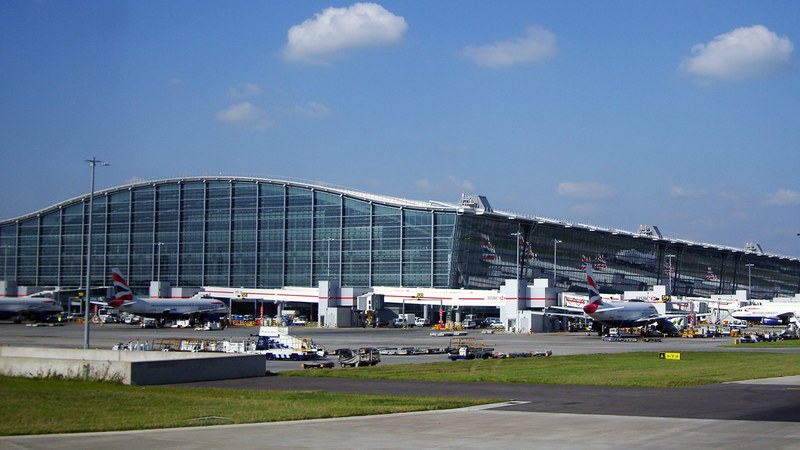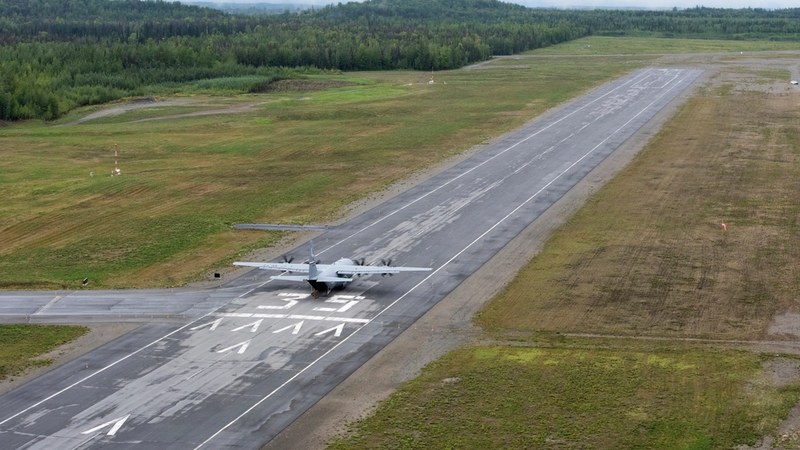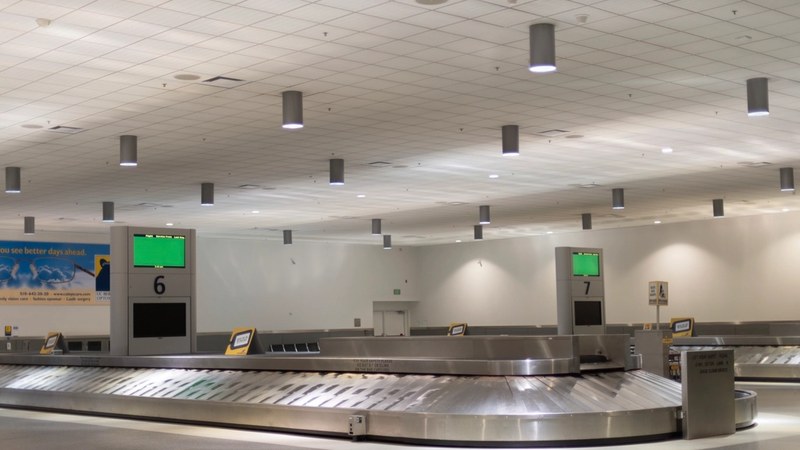
The Federal Aviation Administration (FAA) issued a nationwide ground stop starting at 3:36 p.m. ET on Friday, November 13, 2026, halting all flights across the United States for over four hours. The ground stop was lifted at 8:15 p.m. ET, affecting flights in and out of major airports including Newark, JFK, LaGuardia, Chicago O’Hare, Midway, and Denver International Airport.
Flight Cancellations, Delays, and Diversions Across US Airports
During the disruption, FlightAware reported more than 6,700 flights cancelled and over 8,600 delayed nationwide. Approximately 600 flights were diverted, with 104 sent to alternate airports. At the height of the outage, over 3,500 aircraft were airborne en route to U.S.
airports, while 11,000 flights were scheduled to depart after 4 p.m. ET, collectively carrying about 1.5 million passengers.
Cause of Outage and Infrastructure Issues
U.S. Transportation Secretary Sean Duffy attributed the ground stop to overloaded telecommunications routers caused by a system overload during a network upgrade. The failure triggered intermittent loss of radar and communications at the FAA’s 22 regional air traffic control centers, which manage high-altitude traffic. The air traffic control system, described by Duffy as “incredibly old,” demonstrated critical vulnerabilities during the event.
Statements from Government Officials
Secretary Duffy stated, “What we have is an incredibly old air traffic control system,” urging Congress to approve major funding for
modernization. He noted, “Congress, let’s make this system more safe.” Duffy added, “I can’t snap my fingers and build a network overnight, but do you want us to build this for America? And I think every member of Congress should say yes.” In contrast, Homeland Security Secretary Markwayne Mullin denied any cyberattack involvement, saying, “It doesn’t appear to be a cyber attack, and that it ‘appears this was mechanically driven.'” Mullin confirmed, “There was no indication that the issues were a threat to the United States.”
Impact on Airlines and Travelers
Air Canada cancelled flights to and from the U.S. for the remainder of Friday
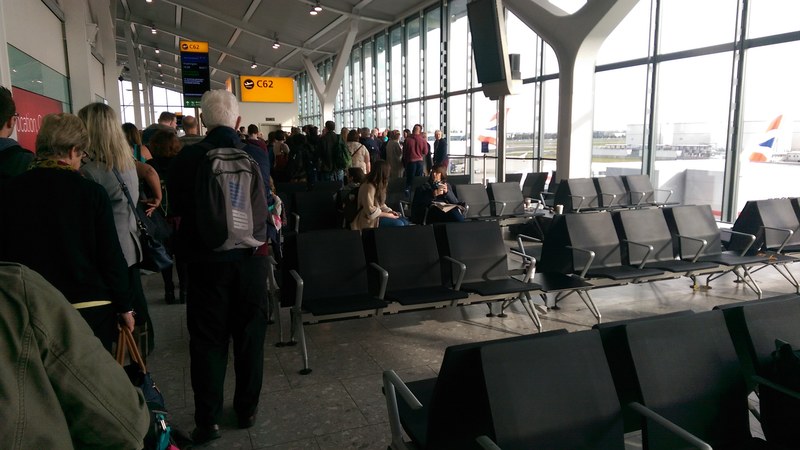
evening, citing the FAA ground stop. JetBlue Airways cancelled all remaining Friday flights except those to Europe and also cancelled some Saturday flights, managing crew and aircraft availability. Flights departing from coastal airports such as Washington Dulles International and San Francisco were allowed to take off for Europe and Pacific destinations, as these routes are outside the affected air traffic control centers. Passengers on flights transiting U.S. airspace from Canada, the Caribbean, and South America were affected. Many travelers were stranded at airports with limited information, enduring significant schedule disruptions.
Context of FAA Nationwide Ground Stops and Recovery
The ground stop on November 13 was the FAA’s second
nationwide flight grounding since 9/11. The previous instance occurred in January 2023 and lasted about 90 minutes. The FAA’s oldest system, with repeated technical failures and staffing shortages, has caused multiple disruptions in recent years, including Verizon fiber cable cuts affecting Newark and Philadelphia airports earlier in 2026. The Trump administration requested $30 billion from Congress to rebuild the system; following the latest outage, Secretary Duffy increased the funding request to $50 billion.
After lifting the ground stop at 8:15 p.m. ET, the FAA indicated that flights would resume cautiously as the system recovered. Travel delays and cancellations are expected
to persist into the weekend as airlines address backlogs and reschedule affected flights.