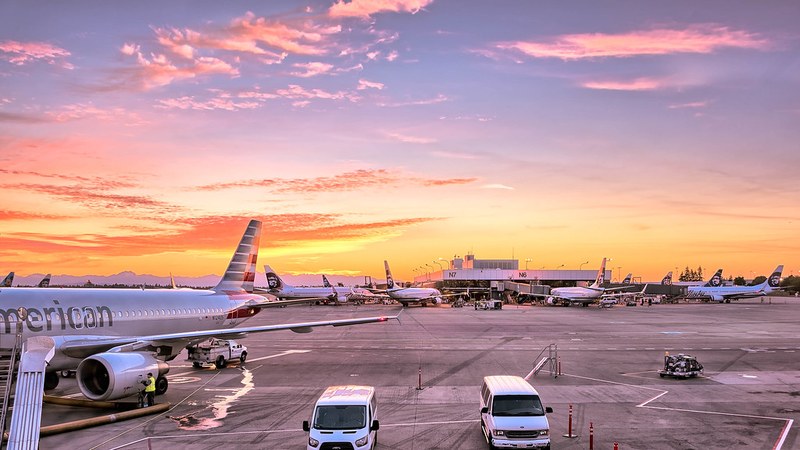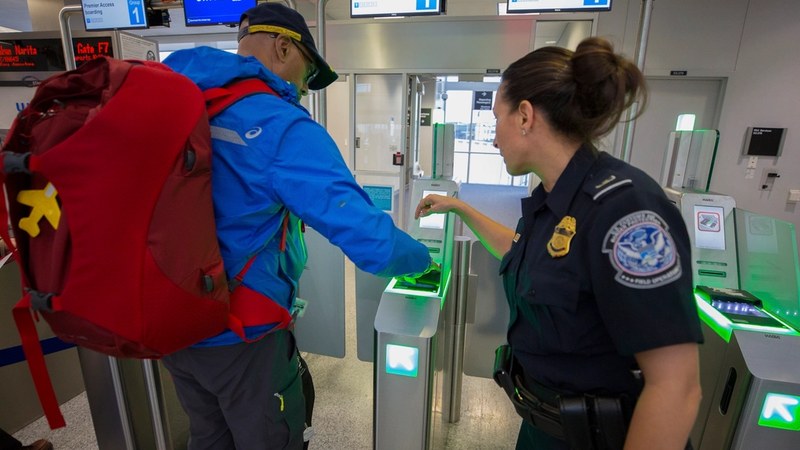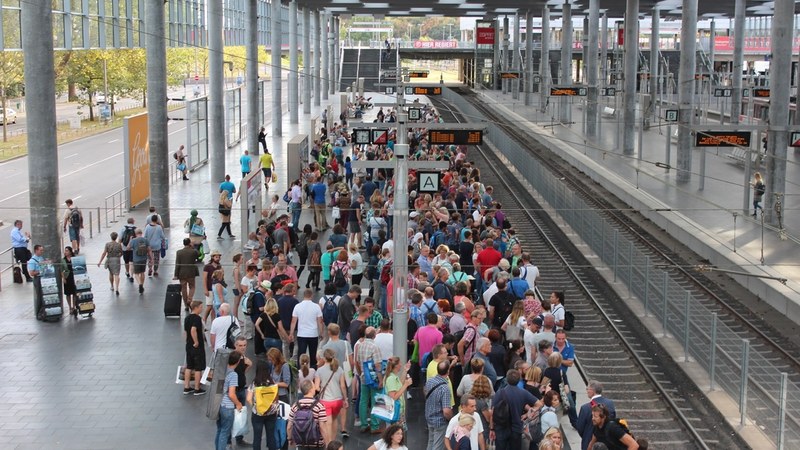
A nationwide FAA ground stop began at 3:36 p.m. EST on November 13, 2026, affecting airspace across the United States as more than 3,500 flights were airborne. The ground stop remained in place for nearly four hours until approximately 8:20 p.m. EST. During this period, the FAA ordered consolidations that impacted over 9,159 canceled flights and 7,190 delayed flights on that day according to flight tracking data. Major airports such as Newark, JFK, LaGuardia, and Dallas Love Field experienced significant disruptions.
System Overload from Router Flooding Caused Ground Stop
The cause of the stoppage was traced to an overload in the FAA air traffic control system triggered by
a router flooding other routers after being replaced in a routine upgrade from copper wiring to fiber optic cables. The legacy infrastructure, including Cisco 600 series routers manufactured between 2001 and 2006, was a critical factor contributing to the instability. The flooding episode lasted approximately 45 minutes, during which about 1,000 login attempts occurred every four to five seconds. This system instability spread to 17 FAA facilities nationally before the FAA issued the ground stop. Dallas Love Field Airport subsequently closed from 9:29 p.m. ET on November 14 until 7 a.m. ET on November 15 as operations continued to recover.
FAA and Government Officials Respond
Transportation Secretary Sean Duffy confirmed the restoration of full operations on November 14 and thanked FAA personnel, airline staff, and passengers for their cooperation. He underscored the outdated nature of the air traffic control system and highlighted ongoing modernization efforts funded partly by a $12.5 billion appropriation secured by the Trump administration. FAA Administrator Bryan Bedford stated the decision to ground flights was made “out of an abundance of caution” after the router-induced instability could not be resolved. Homeland Security Secretary Markwayne Mullin ruled out any cyberattack as the cause. The technology contractor L3Harris acknowledged its role in the upgrade
and expressed support for the FAA’s investigation into the incident.
Flight Cancellations and Airport Closures Impact Travelers
The ground stop led to widespread travel disruption with more than 9,000 flights canceled and over 7,000 delayed on November 13. Recovery operations on November 14 resulted in additional cancellations surpassing 5,000 and delays around 5,300. Approximately 12,000 flights remained incomplete at the time of the ground stop, with roughly 3,000 of those being private flights. Airlines such as Delta, American, and Southwest Airlines implemented flexible ticketing policies including waiving change and cancellation fees to assist stranded passengers. Delta Airlines warned of ongoing delays as it repositioned crews and aircraft.
Travelers experienced disruptions across major hubs including Boston, Atlanta, Miami, Pittsburgh, Los Angeles, and Baltimore.
FAA Funding and Congressional Scrutiny Intensify
The Trump administration announced a new request for $30 billion in FAA funding on November 13 to accelerate modernization of air traffic control systems. Transportation Secretary Duffy criticized the slow use of the prior $12.5 billion appropriation, noting only $1 billion has been spent so far. Congressional representatives Rick Larsen and Andre Carson pledged oversight hearings, condemning delayed communications during the outage and promising accountability to prevent future failures. The FAA expects to fully recover flight schedules by the end of November 15, though 4,000
to 5,000 cancellations remain likely on November 14 as recovery continues.