On November 13, 2026, a nationwide Federal Aviation Administration (FAA) ground stop began due to a failure in the FAA’s aging communications system, grounding all departing flights across the United States. The ground stop started at 2:10 p.m. at Chicago O’Hare International Airport and at 2:17 p.m. at Chicago Midway International Airport. It lasted approximately four hours, with departures resuming shortly before 7:30 p.m. that same day, according to ABC7 Chicago.
Flight Cancellations and Delays Persist at Chicago Airports
By 1:43 p.m. on November 14, 2026, Chicago O’Hare had recorded 605 flight cancellations while Midway had 72 cancellations. Average flight delays during daytime hours on November 14 were
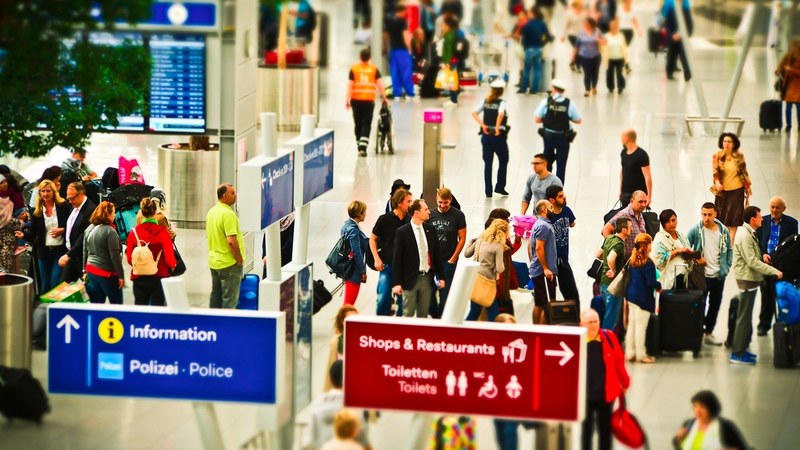
28 minutes at O’Hare and 23 minutes at Midway. Delays at Midway increased to 65 minutes by Saturday night. Crowds of stranded passengers continued to gather as airlines scrambled to manage baggage claims and rebooking.
FAA System Failure at Root of Ground Stop
Transportation Secretary Sean Duffy attributed the ground stop to a failed upgrade of the FAA’s outdated communications equipment that did not meet operational demands. While Homeland Security officials have not fully ruled out a cyberattack, they currently do not believe one caused the outage. The Chicago Department of Aviation confirmed no local infrastructure was affected by the FAA communications failure. University of Illinois expert Dr.
Sheldon Jacobson explained that multiple safety layers exist in the aviation system and a failure in one layer can disrupt nationwide operations.
Passenger Experiences Highlight Extensive Disruption
Passengers reported significant delays and cancellations at Chicago airports. Vivian Azeredo described losing contact with air traffic control mid-flight and then waiting 6.5 hours on the tarmac before deplaning. Stephanie Hugel was stranded at Midway after missing a connection by two minutes and remained in the airport from 5 a.m. Saturday. Dan Throm and his son, traveling to Oklahoma City for the Mississippi football game, were stranded at O’Hare waiting for luggage and transportation. Gerard Hill and his
wife were delayed at O’Hare while attempting to reach Nashville for a birthday celebration. These accounts illustrate the broad impact on travelers’ schedules and plans.
International Ripple Effects and Sports Schedule Adjustments
Mexico’s Federal Civil Aviation Agency imposed temporary flight restrictions as a precaution due to the FAA system failure. Air Canada canceled flights between Canada and the U.S., though Canada’s Civil Air Navigation Service confirmed no impact to Canadian air traffic control systems. Flights to Europe resumed earlier because European airports rely on different systems. The FAA ground stop also disrupted college football travel schedules, prompting the rescheduling of the Mississippi vs. Oklahoma game from Saturday
to Sunday and causing kickoff times to be adjusted within the SEC, Big Ten, and Big Twelve conferences. Some teams opted for bus travel to avoid the uncertainty of flight delays.
Ongoing Airline Recovery and Official Statements
Airlines continued efforts to restore schedules on November 14, facing challenges including crew availability and repositioning aircraft. FAA officials emphasized the need for investment in modernizing aviation communication infrastructure. Transportation Secretary Duffy confirmed the equipment failure was not related to cyberattacks and stressed the technological obsolescence of FAA systems. Passengers like Johnny Barginear expressed relief after enduring extensive delays. Meanwhile, travelers at Midway voiced frustration but urged collective resolution
of these issues. Delays and cancellations were expected to persist as operations gradually recovered.