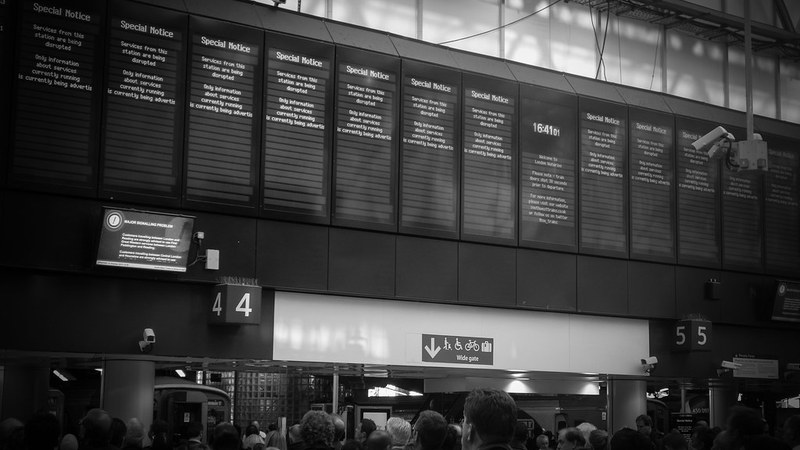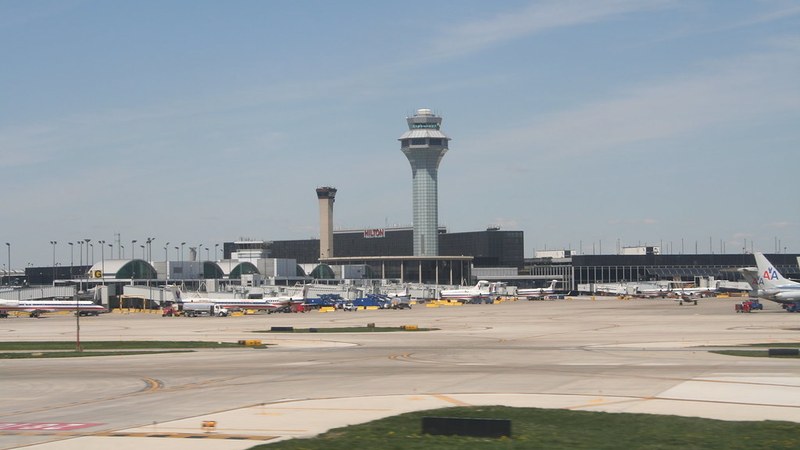
The Federal Aviation Administration (FAA) issued a nationwide ground stop across all US airports on November 13, 2026, lasting more than four hours and resulting in 9,132 flight cancellations that day. The disruption continued into November 14 with 3,374 additional cancellations and 1,008 delays recorded in the morning, bringing the total flight cancellations over the two days to 12,506, according to FlightAware data.
Cause of FAA Ground Stop
The ground stop was triggered by a failure in the FAA’s air traffic control communications system stemming from outdated and overloaded technology. Transportation Secretary Sean Duffy cited legacy network issues involving “old switches,” “old routers,” and the
use of “1980s little copper lines” that became overwhelmed, causing a system-wide outage. Duffy confirmed that recently installed new equipment did not fail during the incident.
Official Responses and Funding Requests
At a White House briefing, Secretary Duffy described the outage as an “emergency” and called on Congress to allocate $50 billion for a comprehensive modernization of the FAA’s air traffic control infrastructure. He warned that without this investment, similar outages will recur, stating, “You will have more of these. You will have more of them unless the American people and the Congress tell us to build.” Department of Homeland Security Secretary Markwayne Mullin said
there was no indication the disruption was caused by a cyberattack, though investigations remained ongoing.
Ongoing Travel Disruptions and Airline Operations
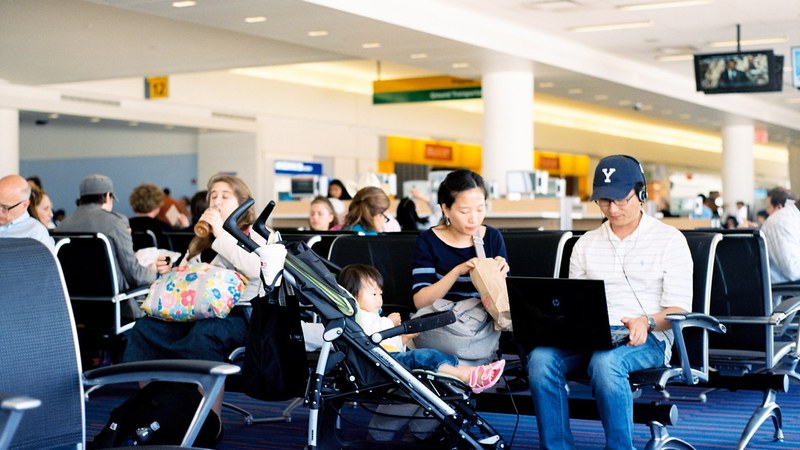
Travel disruptions extended beyond the ground stop, with thousands of cancellations and delays persisting into November 14. Major US airports faced congestion as airlines struggled to restore schedules. United Airlines announced it resumed operations after the FAA lifted the ground stop, including some flights planned for Friday night. Transportation Secretary Duffy indicated it would take time for air travel to return to full capacity.
FAA System Age and Future Risks
Duffy emphasized that despite the incident, the US operates the “safest airspace in the world.” However, he stressed the urgency of
upgrading the FAA’s antiquated system, which largely relies on technology dating back to the 1980s. He stated, “I want Congress to give us emergency funding. This is bipartisan. This is American. I want $50 billion.” The FAA aims to prevent future outages by replacing legacy infrastructure vulnerable to overloads caused by current demands.