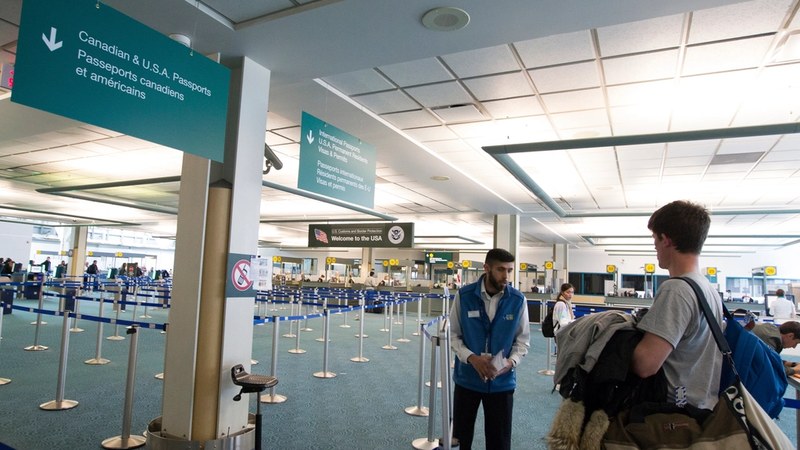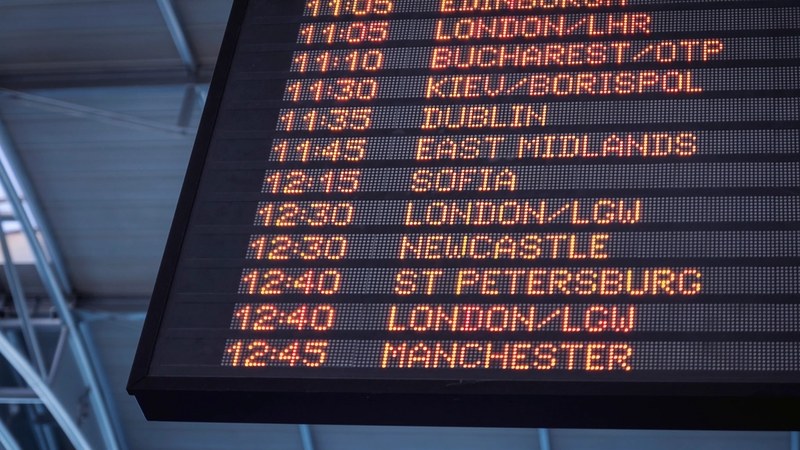
The Federal Aviation Administration (FAA) lifted a nationwide ground stop on November 13, 2026, after it was in place for more than four hours, disrupting over 11,000 flights across the United States. The ground stop began at approximately 3:36 p.m. Eastern Time and was lifted between 8:15 and 8:30 p.m. ET, affecting roughly 1.5 million scheduled passengers during the afternoon and evening hours nationwide.
Cause of the Ground Stop
Transportation Secretary Sean Duffy attributed the outage to failures within the FAA’s aging analog air traffic control system. Telecommunications routers overloaded with data began malfunctioning, causing instability in radar and communications data at air traffic control
centers. “What we have is an incredibly old air traffic control system,” Duffy said. “They started to give us inconsistency in the data from those routers, and because of that we shut the system down.” Digital IP-based control centers were not affected by the failure. Homeland Security Secretary Markwayne Mullin confirmed the outage did not pose a safety threat nor showed any indication of a cyberattack.
Scope of Disruptions Across US Airports and Airlines
More than 11,000 U.S. flights were delayed or canceled during the ground stop, including hundreds at major hubs such as Chicago O’Hare and Chicago Midway airports. At the moment the ground stop was issued,
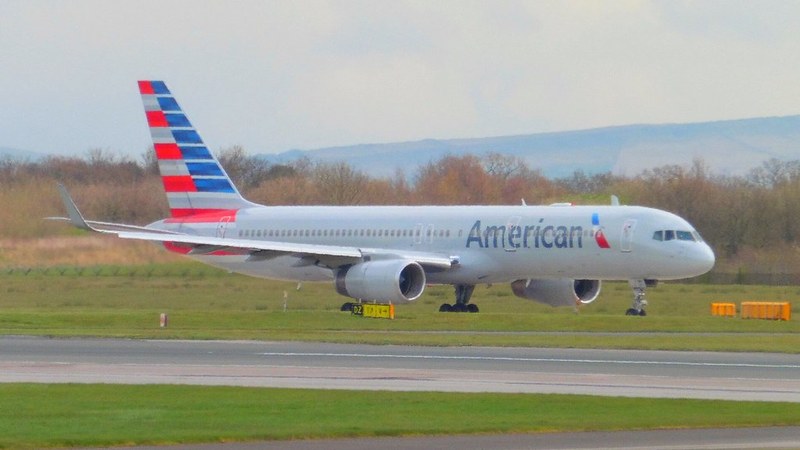
about 3,500 aircraft were airborne, dropping to fewer than 400 by 8 p.m. Local airports including Reno-Tahoe International Airport and Reno-Stead Airport resumed operations after the ground stop was lifted, though schedule disruptions continued. Airlines such as American Airlines prioritized resuming flights to non-hub cities and international routes, while United Airlines and Delta Airlines communicated ongoing efforts to recover operations with some offering free flight changes. JetBlue cancelled the remainder of its day flights and some Saturday flights to realign crews and aircraft.
Traveler Impact and Airline Responses
The ground stop stranded hundreds of thousands of passengers nationwide, forcing some to seek alternate transportation like
rental cars, buses, and trains. Passengers experienced long delays, cancellations, and complications in rebooking flights. Detroit and Philadelphia International Airports saw significant disruption along with other key hubs including Boston Logan. Airlines are continuing recovery over the weekend, anticipating ongoing delays and cancellations. Delta Airlines allowed customers to change flights at no cost, and American Airlines expressed intentions to operate as many flights as possible the following day. Crew scheduling challenges are expected to extend recovery efforts for several days.
Official Statements and Government Actions
Transportation Secretary Sean Duffy urged Congress to approve a $50 billion funding increase to modernize the nation’s air traffic control
infrastructure, up from the president’s previous $30 billion request. He described the system as “incredibly old” and warned that without upgrades, future outages would occur more frequently. Homeland Security Secretary Markwayne Mullin emphasized that “the public was never at danger through this process” and confirmed no lives or flights were at risk. President Donald Trump was continuously briefed throughout and declared the situation a national emergency. The FAA confirmed that critical flights such as medevac and law enforcement continued during the ground stop.
Historical Context and Industry Implications
The November 13 ground stop is one of the rare nationwide flight halts, previously seen in January
2023 due to a pilot alert system issue and following the 9/11 attacks. Repeated failures of the FAA’s outdated air traffic control infrastructure have caused localized outages in areas like New York and Newark in recent years. FAA officials and government leaders emphasize the urgency of completing modernization efforts to prevent similar large-scale disruptions. Currently underway upgrades require additional Congressional funding to replace aging analog technology with modern digital systems.
Current Status and Ongoing Disruptions
Flight operations resumed nationwide after the FAA lifted the ground stop at 8:15-8:30 p.m. ET on November 13, 2026. Despite normal operations restarting at airports including Reno-Tahoe International and Reno-Stead,
travelers continue to face delays and schedule changes heading into the weekend. Recovery times are uncertain due to dispersed crews and aircraft out of position, with airlines prioritizing resetting logistics to handle heavy Thanksgiving travel scheduled for November 26. No definitive timeline for full schedule restoration has been given by officials.