New Visitor Tax Enacted Amid Growing Cruise Tourism Concerns
A prominent city within the United States has swiftly implemented a visitor tax aimed specifically at cruise tourists. This measure arises from increasing pressures related to managing visitor numbers and addressing the local impacts of cruise ship arrivals. While details on the exact rates remain undisclosed, the tax is expected to influence the economics of tourism spending and port operations linked to cruise visits.
Crackdown on Cruise Ship Operations in a Key Tourist Destination
Alongside the visitor tax, authorities have initiated more rigorous cruise ship regulations targeting a major tourist hotspot. The crackdown includes tighter operational controls at docking facilities, reflecting concerns over environmental and infrastructural strains from cruise liners.
These enhanced rules seek to balance economic benefits with sustainable tourism management.
Implications for Travelers and Cruise Passengers
Passengers arriving via cruise ships should anticipate changes in their access privileges at the destination. Potential alterations might include revised docking schedules, adjusted shore excursion availability, and modifications to port fees passed on to travelers. Visitors overall may note adjustments in entry charges and fluctuating crowd sizes due to the new tax and cruise restrictions, potentially affecting travel plans and costs.
Impact on the Local Tourism Economy and Industry Stakeholders
The combined introduction of a visitor tax and stricter cruise controls signals significant shifts for local tourism businesses and industry operators. Hotels, tour operators, and retail establishments
catering to cruise visitors could experience economic impacts depending on changes in visitor flow and spending behavior. Furthermore, cruise companies may need to reassess itineraries or passenger capacity allocations at the affected port.
Balancing Visitor Growth with Sustainability
The city’s efforts exemplify a broader trend in tourist hotspots attempting to manage visitor numbers while minimizing over-tourism effects. Regulation enforcement and taxation are tools many destinations adopt to maintain infrastructure integrity, protect natural and cultural assets, and ensure a quality experience for all visitors.
Outlook for Tourism and Cruise Industry Adjustments
Though specific long-term consequences remain to be seen, the immediate implementation of these measures underscores the growing scrutiny over cruise industry impacts
on urban tourist centers. Stakeholders continue to monitor evolving policies that may influence future travel demand patterns, cruise itineraries, and destination marketing strategies in the United States.

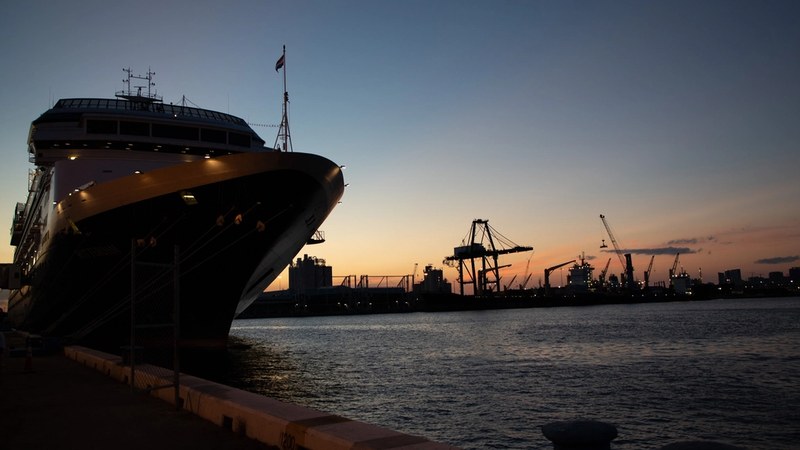
Image credit: Simon_sees (CC BY 2.0)
Image: cruise ship docking in Port Vila Vanuatu by Simon_sees via flickr, by