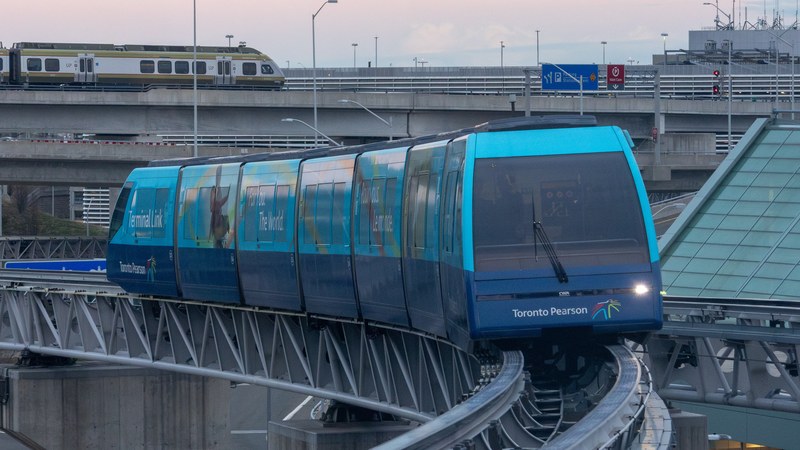
The U.S. Federal Aviation Administration (FAA) issued a nationwide ground stop on November 13, 2026, suspending flights between Toronto Pearson Airport and U.S. airports. At the time of the report, Toronto Pearson had no scheduled departures or arrivals to the United States. Passengers at this Canadian hub were advised to verify flight details with their airlines before traveling to the airport.
NAV Canada Manages Traffic Controls During FAA Ground Stop
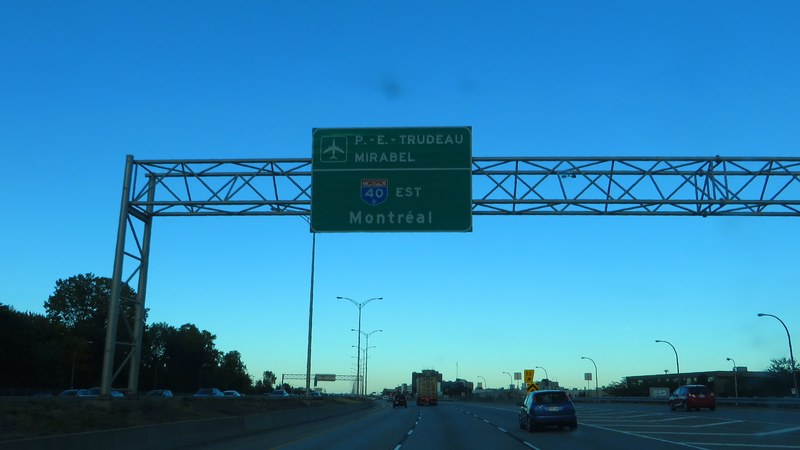
NAV Canada imposed traffic management measures at several Canadian airports including Toronto Pearson, Montreal-Trudeau, Calgary, and Vancouver to safely manage flight operations during the FAA ground stop. These restrictions were lifted shortly after 6 p.m. Eastern Time, with NAV
Canada confirming normal operation of their air traffic control systems soon after. Billy Bishop Toronto City Airport recommended passengers contact airlines for updated flight information and noted it did not expect any diverted U.S. flights on the evening of the 13th. John C. Munro Hamilton International Airport reported no impact on scheduled flights or operations during this period.
Federal Transport Ministry and Airport Responses
Federal Transport Minister Steven McKinnon stated that the government was closely monitoring the situation and remained in contact with NAV CANADA. He confirmed that Canadian air traffic control systems were functioning normally but warned that travel disruptions to U.S. destinations were expected
due to the ground stop. Toronto Pearson Airport reiterated that no U.S.-bound flights were scheduled at the time and urged passengers to consult their airlines for updates. John C. Munro Hamilton International Airport echoed the advice to check with carriers for the latest developments, despite reporting no operational impacts.
Expert Analysis on Communication Failures and Airspace Disruption
Communications failures between U.S. air traffic controllers and pilots were the root cause of the FAA ground stop. According to John Gradek, an aviation operations professor at McGill University, these outages eliminated pilots’ ability to receive instructions on flight direction, altitude changes, or landing clearances. Gradek described the situation as a
significant disruption to North American airspace, comparable in scale to post-9/11 shutdowns, albeit less severe. Aviation analyst Duncan Dee, former Air Canada COO, explained that the FAA likely grounded flights due to failures in both primary and backup communication systems and predicted lasting ripple effects across airline schedules as companies adjust uncertainty over coming hours.
Passenger Experiences and Airline Operations During Ground Stop
A Porter Airlines flight from Miami to Toronto departed after a 15-minute delay but experienced a tarmac hold at Toronto Pearson for just over an hour before reaching a gate. Freelance journalist Erica Commisso, aboard that flight, reported a lack of information from the pilot
about the ground stop and described the experience as unsettling. Separately, an Air Canada Airbus A320 took off from Toronto Pearson before the ground stop began. Passengers at Billy Bishop Toronto City Airport were warned to monitor airline communications for potential delays or cancellations related to the U.S. travel disruption.