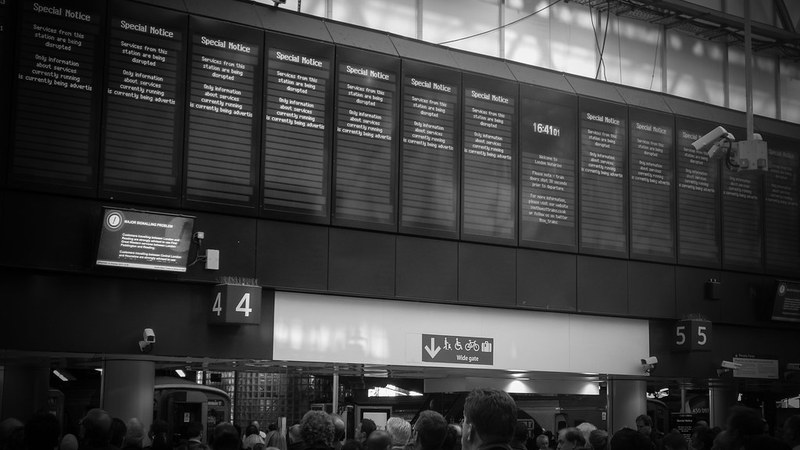
On November 10, 2026, Spanish train drivers initiated a strike that cancelled 40% of long- and medium-distance train services, affecting 4,042 passengers across Spain. The strike reduced Madrid’s commuter network services by 90% and halted half of the local train operations in Barcelona. In Madrid, five commuter lines were completely shut down, with three others operating only partially. The disruption forced commuters in Leganes to use buses to reach the city center, while the Catalonia region faced delays due to failure to meet minimum service requirements. At Barcelona’s Masnou station, only a few passengers waited amid intermittent train services.
Fatal Crashes and Government Response
Earlier
in 2026, two fatal train collisions occurred on the Madrid-Seville high-speed line, killing 115 people in total. The first crash in January claimed 46 lives, while an October 28 accident resulted in 69 fatalities. Following these incidents, discussions between the government and the train drivers’ union began to address safety issues but collapsed by April 2026. After the October crash, which happened when a signal failure led a controller to instruct a Renfe-operated train to proceed despite a stationary Iryo-operated train ahead, Prime Minister Pedro Sanchez appointed Carlos Cuerpo to temporarily oversee the Transport Ministry after Oscar Puente resigned.
Union Position and Commuter Impact
The
train drivers’ union Semaf confirmed their members were complying with government-mandated minimum service quotas during the strike and attributed delays to poor management of scheduled trains. The strike severely disrupted local travel, particularly in Madrid where entire commuter lines were closed, and partial service operated on others. Commuters in Leganes resorted to bus transport to enter central Madrid, while in Catalonia delays were reported due to insufficient service compliance. Passenger traffic at Masnou station was sparse with sporadic train availability.
Official Measures and Royal Attendance
On the day the strike began, the government implemented new safety measures including clarifying the calculation of train driver operating
time and establishing an ombudsman for victims of public transport accidents. Additional steps were taken to improve communication channels for railway staff safety concerns and increase staff autonomy to halt or restart trains upon detecting risks. King Felipe VI and Queen Letizia attended a funeral service at Toledo Cathedral for victims of the October crash, which included a 16th-century Christ effigy moved from Urda near the crash site for the ceremony.