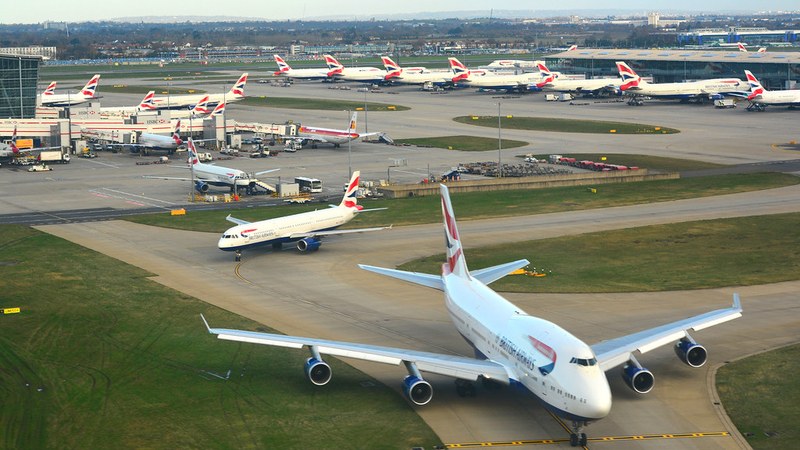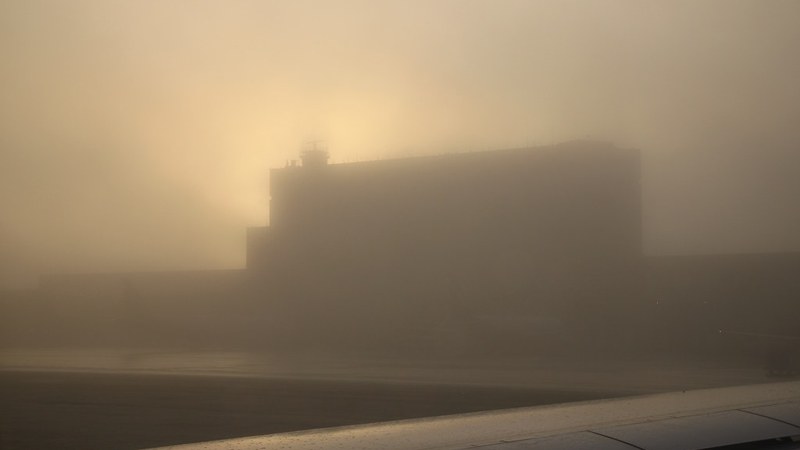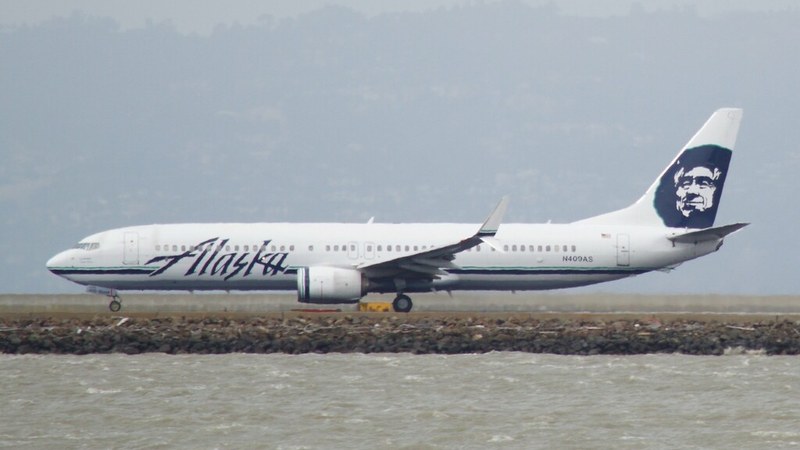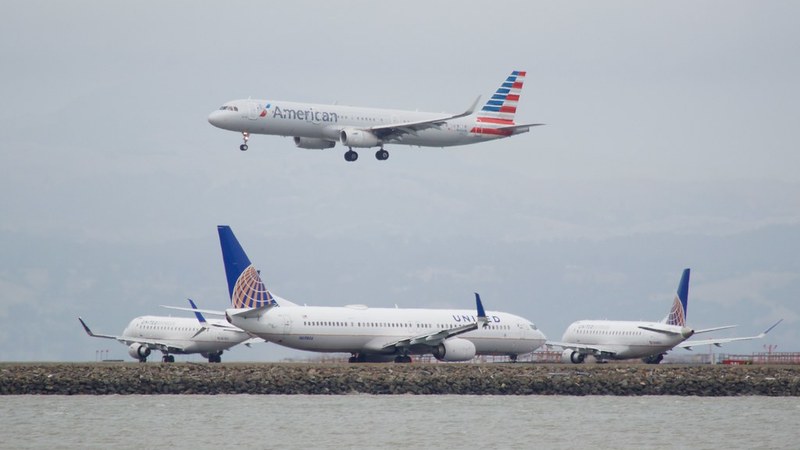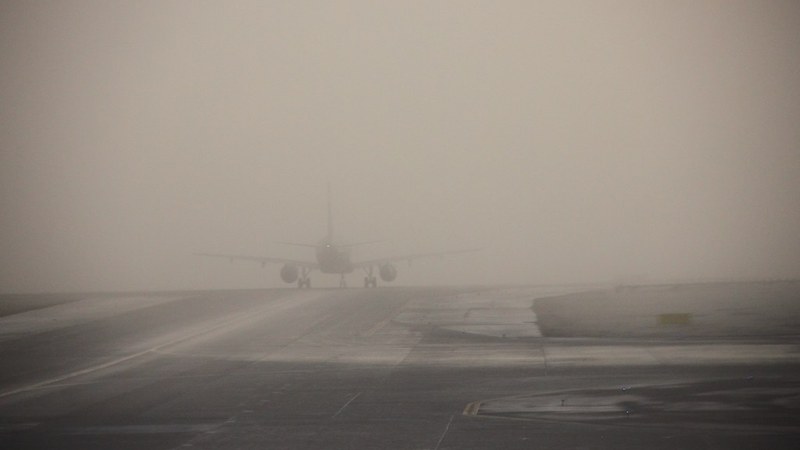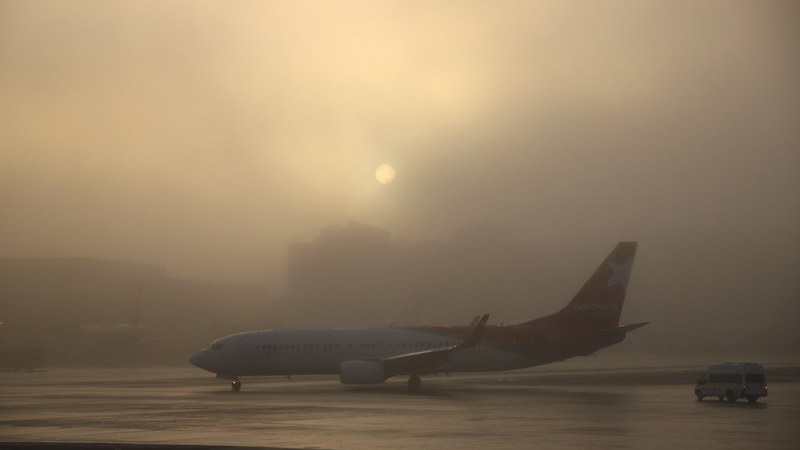
The Federal Aviation Administration (FAA) imposed two consecutive ground stops at San Francisco International Airport (SFO) on Monday morning, November 12, 2026, due to dense fog reducing runway visibility to just over one-tenth of a mile. The fog limited visual conditions along the Bay Area shoreline, leading to multiple aborted landing attempts. The FAA halted incoming flights twice before 11 a.m. Pacific Time to manage safety amid poor visibility conditions.
A ground-delay program was implemented after a brief improvement in visibility, followed by a second ground stop beginning at 10:12 a.m., initially planned until 11:30 a.m. According to FlightAware data,
187 flights experienced delays and three were canceled at SFO on the same day. Average arrival delays were approximately 63 minutes. Later updates from FAA operational reports indicated an extended ground stop caused by a persistent low cloud deck and repeated go-arounds.
During some intervals, San Francisco International accepted only aircraft equipped for Category II and Category III instrument approaches, limiting landing capacity. FAA projections listed the ground stop extending through 1 p.m., with a ground-delay program continuing until 1:59 p.m. Visibility improved to about half a mile by 9:23 a.m., but operations remained constrained due to lingering low clouds.
FAA Operations and Flight Delays
The dense fog led to several flight go-arounds, forcing the FAA to repeatedly halt arrivals to maintain safe spacing and approach conditions. FlightAware logged 187 delayed flights and three cancellations at SFO on November 12, with delays averaging just over an hour for arrivals. The FAA ground-delay program aimed to reduce air traffic while weather conditions fluctuated.
Restricted landing operations frequently required aircraft to have advanced instrument landing system capabilities categorized as Cat II or Cat III. This restriction further limited the number of aircraft able to land safely during the period of dense fog and low clouds.
Weather Forecast and Future Operational Plans
The National
Weather Service forecasted continuing fog and low cloud conditions overnight into Tuesday, November 10, 2026, indicating persistent visibility challenges at SFO. The FAA’s operational plans for Tuesday included preparations for possible airports ground stops or ground-delay programs starting after 8 a.m. Pacific Time.
Despite the forecasted weather constraints, the FAA’s airport status update issued at 1:17 a.m. Tuesday reported no destination-specific delays at San Francisco International. General arrival and departure delays at the airport were minimal, limited to 15 minutes or less.
Traveler Impact at San Francisco International
Passengers experienced considerable delays on November 12 due to FAA-imposed ground stops and associated ground-delay programs. Flight delays
averaged around 63 minutes, and three scheduled flights to and from SFO were canceled because of the fog-related operational restrictions. The enforced protocols controlled traffic flow to accommodate the limited visibility and safety requirements.
The recurring fog conditions at a major Bay Area airport continue to restrict aircraft landing capacities, forcing operational controls like ground stops that impact regional flight schedules and cumulative delays.