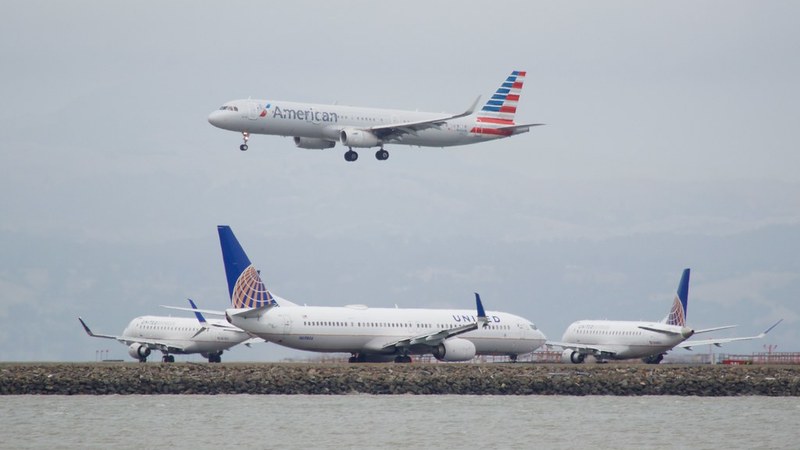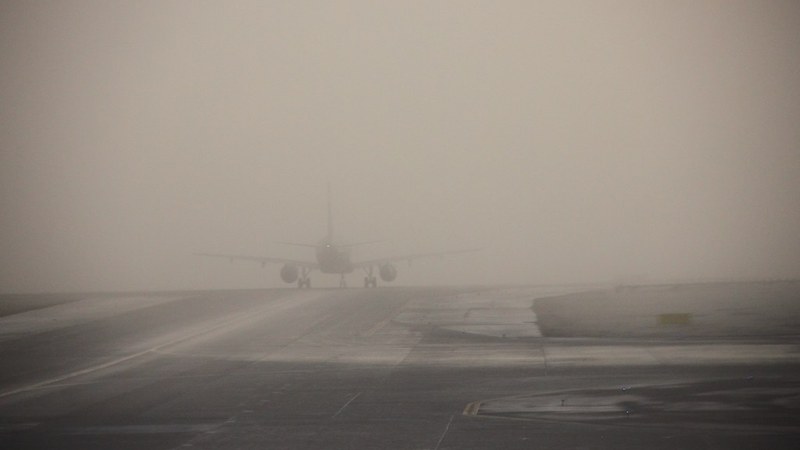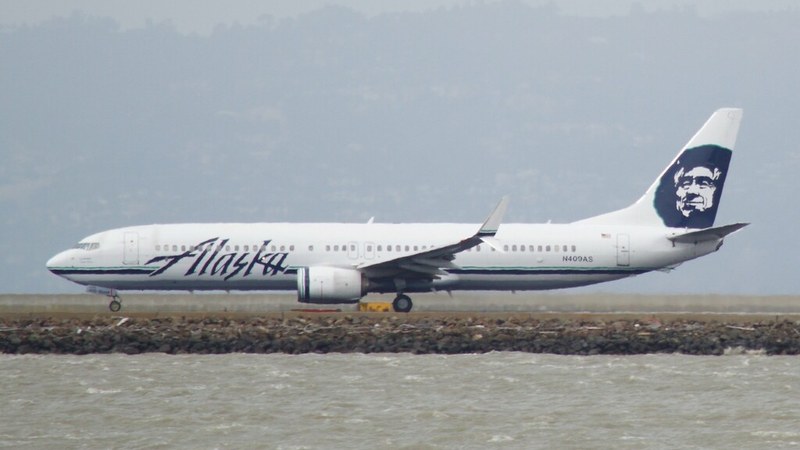
The Federal Aviation Administration (FAA) issued two consecutive ground stops at San Francisco International Airport (SFO) on November 12, 2026, triggered by dense fog reducing runway visibility to just over one-tenth of a mile along the Bay Area shoreline. This limited visibility forced multiple aircraft to abort landing attempts.
According to FlightAware data, the ground stops resulted in 187 flights being delayed and three cancellations, with average arrival delays of approximately 63 minutes. The first ground stop occurred before 11 a.m. Pacific Time, followed by a ground-delay program when visibility momentarily improved. The second ground stop began at 10:12 a.m.,
initially expected to last until 11:30 a.m., but FAA later extended the ground stop through 1 p.m. and the ground-delay program through 1:59 p.m.
Operational restrictions at SFO limited landings primarily to aircraft equipped with Category II and Category III instrument approach systems during peak fog conditions. The fog and low cloud deck caused multiple flight go-arounds, further complicating scheduling and runway availability. Visibility improved to about half a mile by 9:23 a.m., yet low clouds continued to constrain operations through the morning.
The National Weather Service forecast issued on the evening of November 9 predicted sustained fog and low
clouds over the Bay Area overnight into November 10 and through Tuesday. Correspondingly, the FAA’s operational plan for November 10 identified potential for ground stops or ground-delay programs after 8 a.m. due to low ceilings and reduced visibility, though as of 1:17 a.m. November 10, delays at SFO were limited to 15 minutes or less without destination-specific restrictions.
These ground stops and delays reflect ongoing operational challenges at San Francisco International Airport, where recurring low-visibility fog around the Bay Area shoreline regularly limits how many aircraft can safely land. Such weather phenomena compel the FAA to impose ground stop and
ground-delay measures that push delays onto arriving flights and require rescheduling across the regional network.