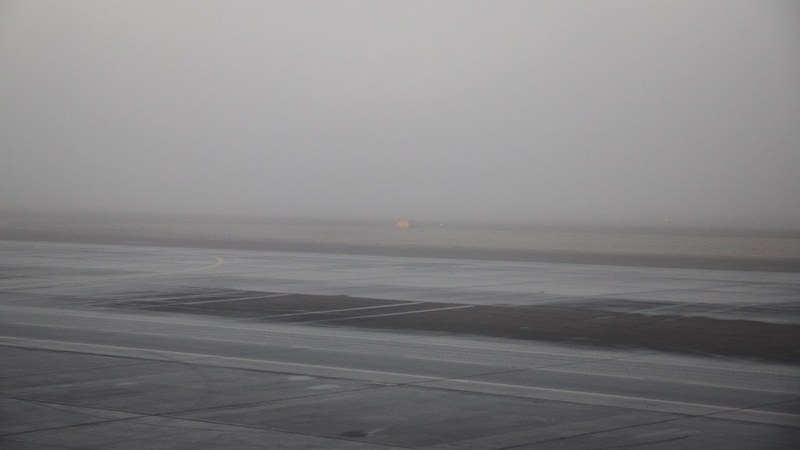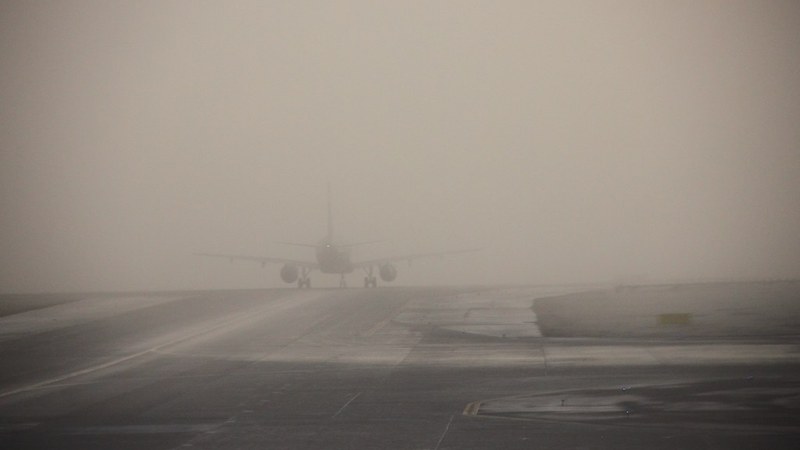
The Federal Aviation Administration (FAA) imposed two successive ground stops at San Francisco International Airport (SFO) on November 12, 2026. The restrictions were prompted by dense fog along the Bay Area shoreline that sharply reduced visibility to just over one-tenth of a mile, forcing multiple aircraft to abort landing attempts.
Visibility Drops Force Flight Delays and Cancellations
The first ground stop occurred before 11 a.m. Pacific Time and was followed by a ground-delay program when visibility marginally improved. The FAA then reinstated a second ground stop beginning at 10:12 a.m., initially planned to last until 11:30 a.m. FlightAware data showed 187 flights experienced delays and three were
canceled on the affected day. The average arrival delay was approximately 63 minutes.
Operational limits at SFO during the fog meant only aircraft equipped with Category II and Category III instrument landing systems could land. Despite visibility improving to around half a mile by 9:23 a.m., persistent low clouds and fog continued to restrict normal operations. The FAA extended the second ground stop through 1 p.m., with a ground-delay program continuing until 1:59 p.m.
National Weather Service Forecasts Continued Fog Impact
The National Weather Service issued a forecast on Monday evening predicting ongoing fog and low clouds overnight into Tuesday, November 10. It anticipated that continued reduced
visibility and low ceilings could prompt additional ground stops or ground-delay programs at SFO after 8 a.m. Tuesday. However, an FAA airport status update at 1:17 a.m. on Tuesday reported no destination-specific delays at SFO and only general delays of 15 minutes or less.
Passenger Disruptions from Ground Stops and Flight Restrictions
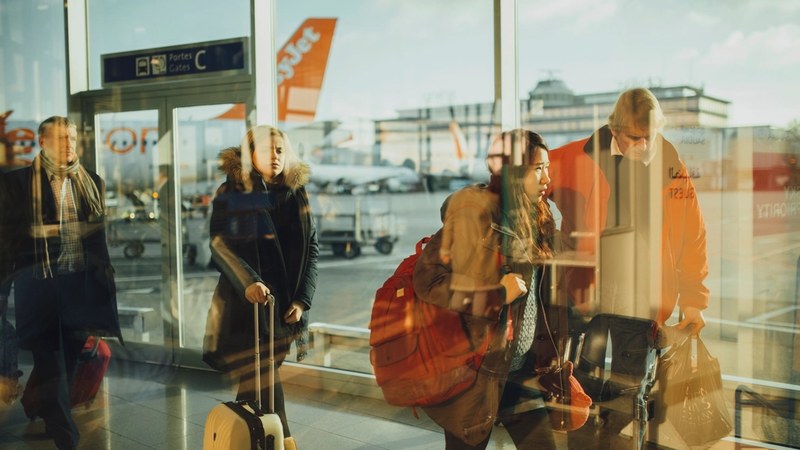
The FAA’s ground stops resulted in flights being held on the ground, affecting scheduled departures and arrivals. Flight cancellations added to the disruption with three flights called off on November 12. Delays averaging just over an hour affected a significant number of arriving passengers. Additionally, operational constraints limited landings to only those aircraft capable of advanced
instrument approaches, restricting overall airport capacity during the fog.
Fog’s Impact on San Francisco Airport Capacity and Regional Operations
Dense fog recurring along the Bay Area shoreline reduces runway visibility at SFO to minimal distances, constraining the airport’s ability to manage incoming traffic. Such weather conditions compel the FAA to implement ground stops and ground-delay programs to safeguard flights, pushing delays across the Bay Area’s aviation network. The need for Category II and III instrument landing system-equipped aircraft further narrows landing availability, prolonging disruptions under fog conditions.