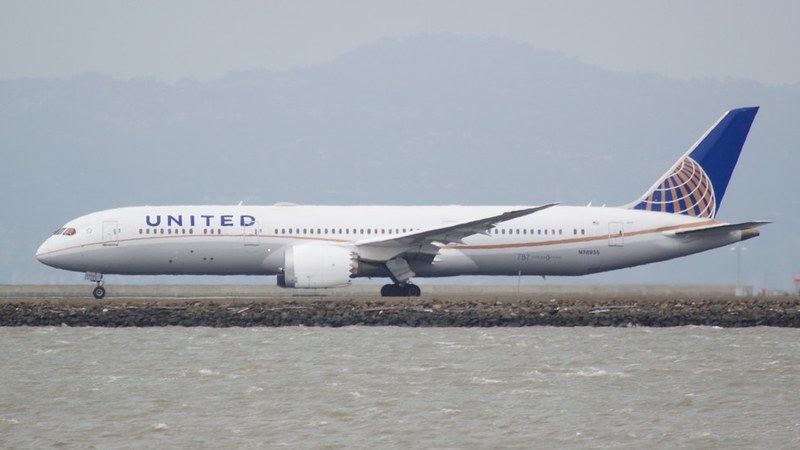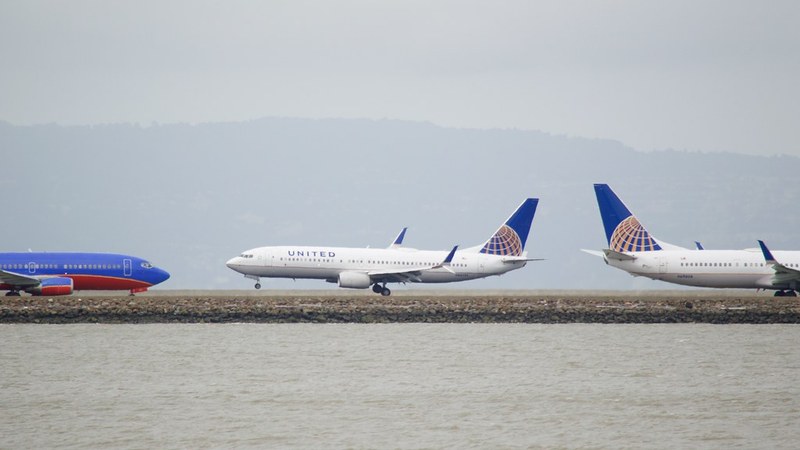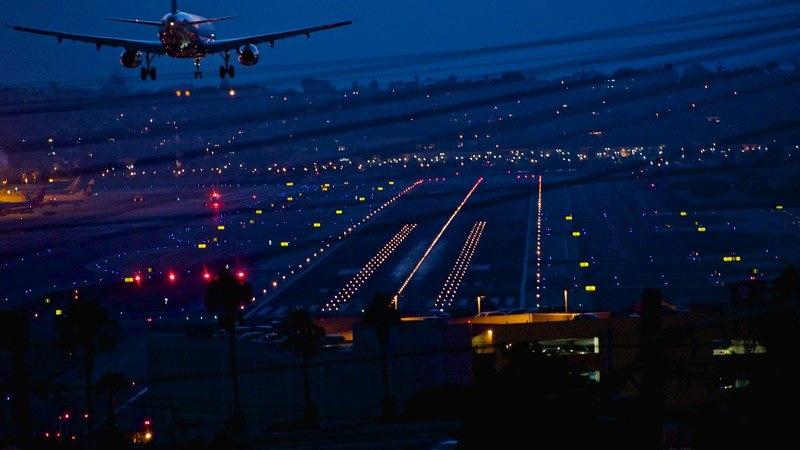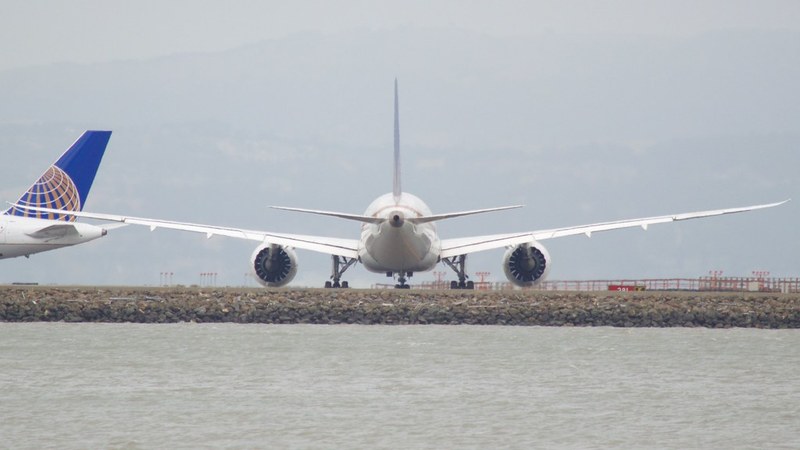
The Federal Aviation Administration (FAA) implemented two consecutive ground stops at San Francisco International Airport (SFO) on the morning of November 12, 2026, due to dense fog reducing visibility along the Bay Area shoreline. Runway visibility dropped to just over one-tenth of a mile, forcing multiple aircraft to abort landings. FlightAware data recorded 187 delayed flights and three cancellations at SFO on that date, with average arrival delays of approximately 63 minutes.
Weather Conditions and FAA Operational Responses
The fog event reduced runway visibility to around 0.1 miles, combined with a low cloud deck, causing multiple go-arounds. The FAA initially halted arrivals twice before 11 a.m.
Pacific Time, with a second ground stop starting at 10:12 a.m., originally scheduled to last until 11:30 a.m. After a brief improvement in visibility to about half a mile by 9:23 a.m., the FAA imposed a ground-delay program followed by an extended ground stop. During periods of low visibility, SFO allowed only aircraft equipped for Category II and Category III instrument approaches to land. The FAA’s operational plan extended the ground stop through 1 p.m. with a ground-delay program continuing until 1:59 p.m.
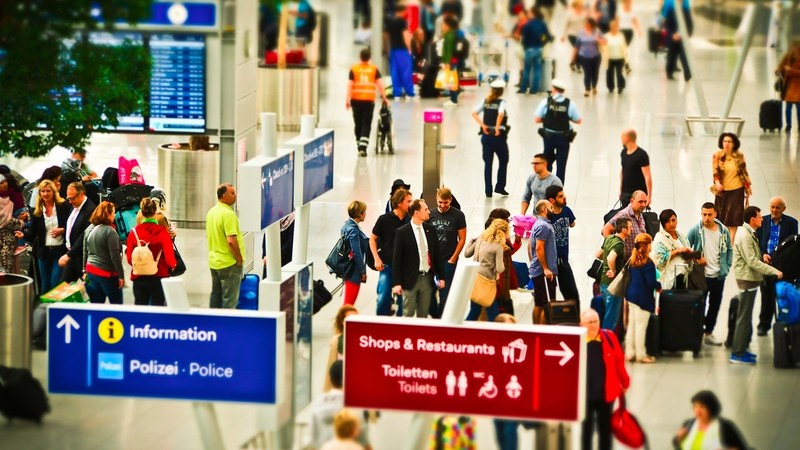
Travelers at SFO experienced significant scheduling disruption as a result of these weather-related restrictions, including flight delays
averaging an hour and cancellations impacting passenger itineraries.
Forecasts and Upcoming Operational Considerations
The National Weather Service forecast anticipated persistent fog and low clouds overnight into November 10, with FAA operational plans indicating potential similar constraints on November 13, including the possibility of ground stops or delays after 8 a.m. Pacific Time. However, as of 1:17 a.m. on Tuesday, November 13, FAA airport status updates reported no destination-specific delays at San Francisco International, with general arrival and departure delays limited to 15 minutes or less.
The recurring nature of low-visibility fog at this major Bay Area gateway continues to impose limitations on aircraft acceptance rates,
directly affecting regional flight scheduling. The FAA incorporates such weather-related constraints in its operational planning to mitigate impacts on airline and traveler operations at SFO.