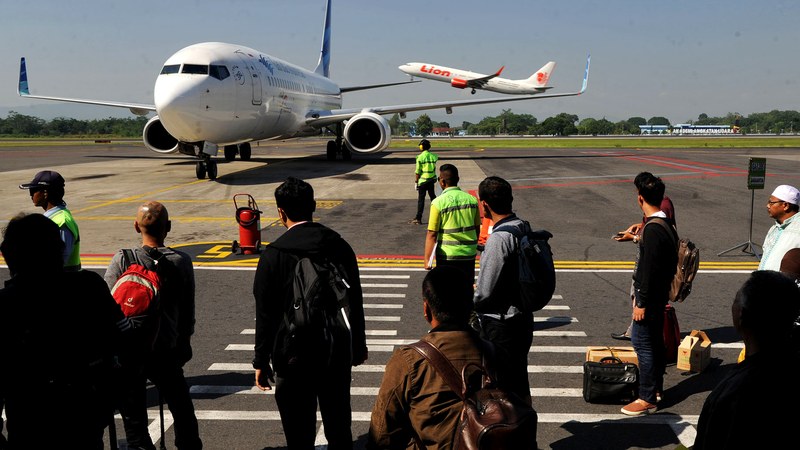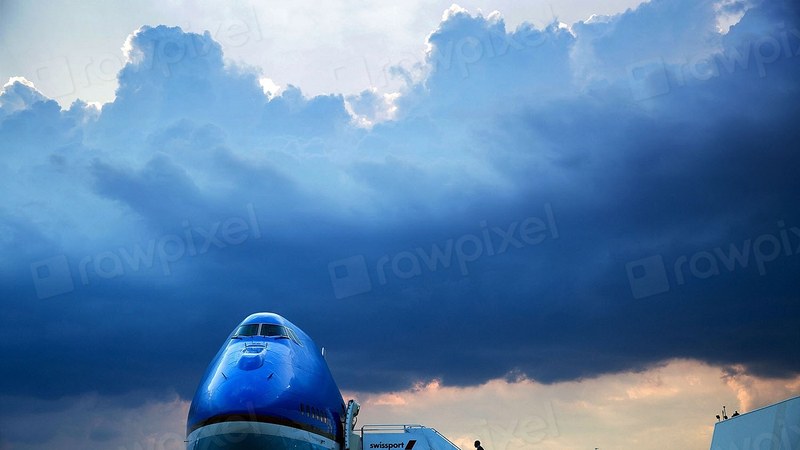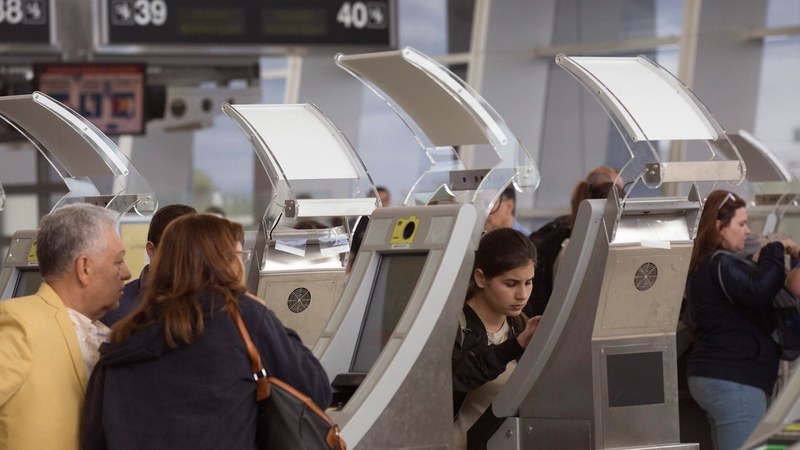
A storm system on November 10, 2026 impacted flight operations at nine major U.S. airports, bringing low clouds, gusty winds, rain, and thunderstorms from the Pacific Northwest through the Upper Midwest to the Northeast. These weather conditions triggered flight restrictions including ground delay programs and arrival limitations, causing disruptions across key hubs.
Ground Delay Programs Active at Seattle, LaGuardia, Boston
Flight operations at Seattle–Tacoma International Airport experienced low ceilings and visibility reductions during morning hours, leading to delays exacerbated by shifting winds. New York LaGuardia Airport also operated a ground delay program amid gusty winds and scattered showers, slowing arrivals. Boston Logan Airport implemented ground delay programs at
various points on November 10 as part of the broader regional impact along the northern tier of the storm system.
Weather-Induced Operational Restrictions and Delays
Low cloud ceilings, reduced visibility, crosswinds, and scattered thunderstorms forced airports to reduce arrival rates to maintain safety margins. Radar imagery showed rain bands crossing Midwestern states affecting flights inbound to Chicago and Detroit, resulting in holding patterns and reroutes. This created rolling constraints along main East-West corridors, complicating scheduling and increasing delays nationwide.
Flight Volume, Rising Ground Stops, and Storm Progression
U.S. airports typically handle over 45,000 daily flights, so even temporary restrictions at major hubs affect hundreds of thousands of passengers. FAA data indicate a nearly
20% rise year-over-year in ground stops at the 30 largest airports as of 2024, reflecting heightened sensitivity of the airspace system to convective weather. Forecasts show the storm system moving eastward into the Atlantic by the evening of November 10, with lingering low cloud and rain impacts expected through early November 11 morning.
Passenger Impacts and Travel Recommendations
Delays and cancellations disrupted travel at the nine airports, causing queues in terminals and knock-on effects including missed connections at smaller secondary airports. Passengers affected by cancellations or extended delays are advised to review airline contracts and federal rules for rebooking and support options. Travel planners recommend
building extra connection time, selecting earlier flights when possible, and monitoring real-time flight status tools due to rapidly changing conditions.
Airline Responses and Waiver Policies
Major U.S. airlines issued travel advisories and fee-waiver policies tied to severe weather at the impacted airports. Waivers depend on how the storm evolves; with modest widespread delays, airlines typically focus on targeted reaccommodation rather than broad waivers. Monitoring of conditions at affected hubs continues to inform customer service strategies as the storm progresses.
Sources of Flight Status and Weather Updates
Passengers and industry stakeholders rely on FAA status boards, refreshed every few minutes, for current information on ground stops and delay programs. The National Weather Service’s
Aviation Weather Center provides graphical forecasts and short-term discussions on turbulence, surface winds, and visibility hazards. Independent services translate this data into user-friendly maps indicating active delay programs and impacted airports, helping travelers anticipate disruptions during high-impact weather events.