The Federal Aviation Administration issued a warning on November 10, 2026, about possible flight delays and disruptions at 14 major U.S. airports on November 11. The advisory covers routes stretching from Texas through western states to New York, Boston, and Washington, D.C.
Weather Factors Affecting Airports in Texas, West Coast, and Northeast
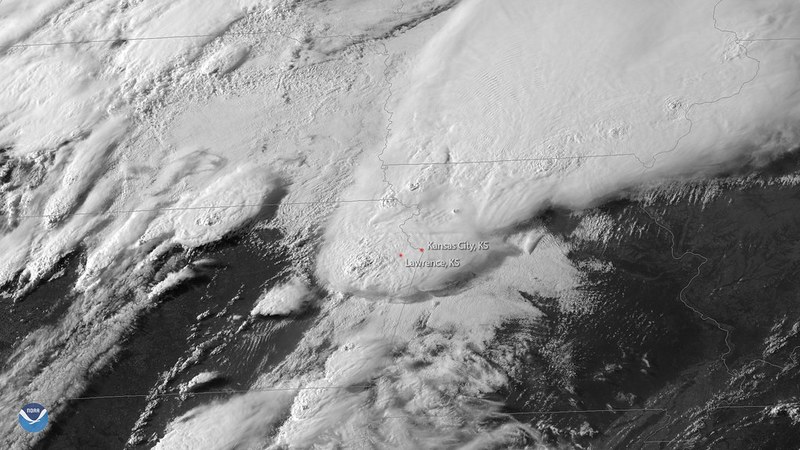
According to the FAA, six airports in Texas and the western United States face potential operational impacts due to low cloud ceilings reducing visibility. Simultaneously, eight major airports in the Northeast and Mid-Atlantic are at risk of disruptions caused by gusty winds forecasted to reach up to 20 knots.
Recent Flight Delays Provide Context for Potential Disruptions
FlightAware data reported over 900 flights experiencing delays within,
arriving at, or departing from U.S. airports on November 10, 2026. While these delays arose from mixed causes, including weather and construction, they highlight the challenges facing the system. For example, San Francisco International Airport experienced weather-related issues on November 9, with 187 flights delayed and 3 cancellations by mid-morning. Arrivals at San Francisco were delayed on average by 63 minutes due to fog and reduced visibility.
Operational Impacts of Weather Conditions
Low clouds reduce visibility during approaches and departures, forcing air traffic controllers to increase spacing between aircraft and slowing airport throughput. Gusty winds in the Northeast influence runway selection and spacing on takeoff
and landing, which can limit airport capacity during peak periods. The FAA’s advisory represents forecast conditions and does not confirm mandatory ground stops or widespread cancellations.
Traveler Guidance and Passenger Rights
Passengers flying through affected airports on November 11 should verify their flight status with their airlines due to possible changes during the day. The FAA recommends consulting its National Airspace System Status service for information on airport-wide restrictions. Passengers should also distinguish between weather-caused delays and those within airline control, as compensation and accommodations differ. Under U.S. Department of Transportation rules, passengers can claim refunds if flights are canceled or suffer qualifying delays and
opt not to travel or accept alternatives, but weather-related delays typically do not entitle passengers to meals, hotel stays, or cash compensation.
Non-Weather Factors and Limitations of FAA Forecasts
Not all delays stem from weather. Seattle-Tacoma International Airport, amid FAA’s advisory on low clouds, recorded departure delays between 31 and 45 minutes on November 10 mainly due to runway construction. Arriving aircraft at Seattle experienced airborne delays of 15 minutes or less. The FAA’s forecasts are subject to change and do not guarantee that the identified airports will experience active delays or require ground stops.