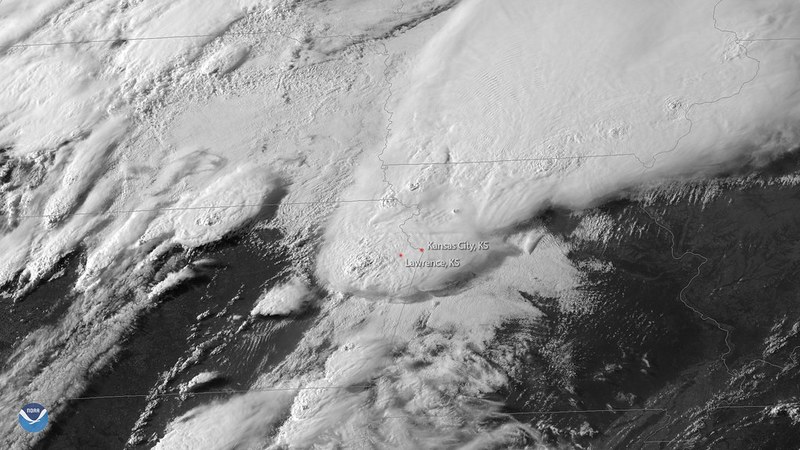
A fast-moving storm system on November 10, 2026, caused flight disruptions at nine major U.S. airports, including Seattle–Tacoma International, New York LaGuardia, Boston Logan, Chicago, Detroit, and other East Coast and Midwestern airports. Weather conditions such as low ceilings, reduced visibility, crosswinds, gusty winds, rain, and embedded thunderstorms triggered ground delay programs, ground stops, arrival restrictions, holding patterns, reroutes, and slower arrival flows throughout the day.
Ground Delay Programs and Arrival Restrictions at Key Airports
Ground delay programs were activated at Seattle–Tacoma International and New York LaGuardia airports due to low visibility and poor weather, significantly reducing arrival rates. Boston Logan implemented ground delay programs and arrival restrictions alongside
four other airports earlier in the day. Flights inbound to Chicago and Detroit faced holding patterns and reroutes resulting from weather-induced reduced visibility and crosswinds that interfered with runway operations across the affected hubs.
Cascade of Delays Across National Airspace
According to Federal Aviation Administration data, the nine impacted airports manage a large portion of the more than 45,000 flights handled daily across U.S. airports. Weather-related caps and airspace volume constraints generated cascading delays, with thousands of same-day nationwide flight delays registered by early afternoon Eastern Time on November 10. These delays propagated to secondary airports as missed connections accumulated due to ground delay programs at
primary hubs even under clear weather conditions at the secondary sites.
Staffing Challenges Prolong Recovery from Disruptions
Staffing shortages in air traffic control and ground operations further hampered recovery from weather disruptions. Tactical rerouting and increased spacing demands caused by thunderstorms and low cloud ceilings reduced controller flexibility, limiting the pace of normalization of flight schedules after the worst conditions passed. Ground stops have risen nearly 20% year-on-year at the 30 largest U.S. airports as of 2024, linked to such staffing constraints and intensifying convective weather.
Airline Responses and Traveler Advisory
Major airlines closely monitored conditions at the affected airports, issuing targeted travel advisories without widespread system-wide waivers unless severe weather
conditions deteriorated further. Travelers were advised to allow extra connection time, select earlier departures where possible, and utilize airline smartphone apps alongside independent flight tracking tools due to dynamic scheduling changes. Airlines provide rebooking, meal, and hotel assistance depending on carrier policies and the severity of disruptions.
Historical Data and Continued Weather Forecast
The National Weather Service Aviation Weather Center forecast indicated the storm system advanced eastward through November 10 into the Atlantic with residual low clouds, showers, and gusty winds expected to affect operations into early November 11. Weather and national airspace system problems caused close to 10% of delay minutes at major U.S. airports
in 2024. Travelers with tight overnight connections through northern tier airports face risks of residual delays on November 11 despite clearing main storm conditions.