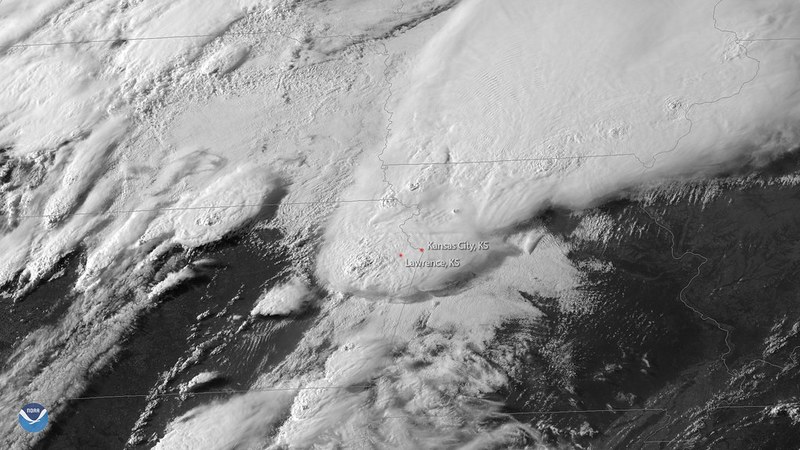
A fast-moving storm system on November 10, 2026, disrupted flight operations at nine major US airports by bringing low ceilings, reduced visibility, gusty winds, and rain. This eastward-moving band of disturbed weather stretched from the Pacific Northwest through the Upper Midwest and into the Northeast.
Ground Delay Programs Activated at Key Airports
Seattle–Tacoma International, New York LaGuardia, Boston Logan, and several other busy hubs implemented ground delay programs and arrival restrictions in response to the storm. Seattle–Tacoma faced low ceilings and variable winds impacting runway alignment while LaGuardia experienced slower arrival flows due to gusty winds and showers. Boston Logan also issued ground delay programs and weather-related
traffic management initiatives throughout the day.
Flight Volume and Operational Impact
The Federal Aviation Administration (FAA) manages more than 45,000 daily flights across US airports. On November 10, these storm-imposed restrictions forced reliance on instrument flight rules and reduced arrival rates, prompting ground delay programs at nine US airports during morning and late afternoon peak periods. This caused mounting queues in terminals and limited capacity across the affected corridor.
Cascading Delays Affecting Connecting Flights Nationwide
Flight disruptions generated knock-on delays extending well beyond impacted hubs. Secondary airports saw delays as connecting flights arrived late due to disrupted inbound aircraft. Radar and FAA delay feeds recorded holding patterns and route adjustments at
coastal airports, plus Midwestern cities including Chicago and Detroit, highlighting widespread cascading constraints.
Forecast and Recommendations for November 11 Operations
The National Weather Service’s Aviation Weather Center forecast a band of disturbed weather persisting from the Pacific Northwest to the Northeast into early November 11. Residual low clouds and showers were expected to continue affecting northern airports. Passengers were advised to allow extra connection time and monitor FAA and airline status updates. Airlines were issuing travel advisories and fee waivers dependent on evolving forecasts.
Background and Industry Context
FAA data indicates a nearly 20% increase in ground stops at the 30 largest US airports over recent years, largely due to intensified
convective weather amid crowded airspace. System-related causes, including weather and traffic flow management, accounted for close to 10% of all arrival delay minutes at major US airports in 2024, spiking when regional storms occur simultaneously. Limited staffing in air traffic control and ground operations contributed to slower recovery following weather-related disruptions.
Passengers experienced widespread cancellations and longer waits, with airlines offering rebooking without fees and support such as meals or hotel accommodations where knock-on effects persisted. Public FAA and National Weather Service feeds, along with independent delay tracking services, provided near real-time updates throughout November 10 as the storm unfolded.