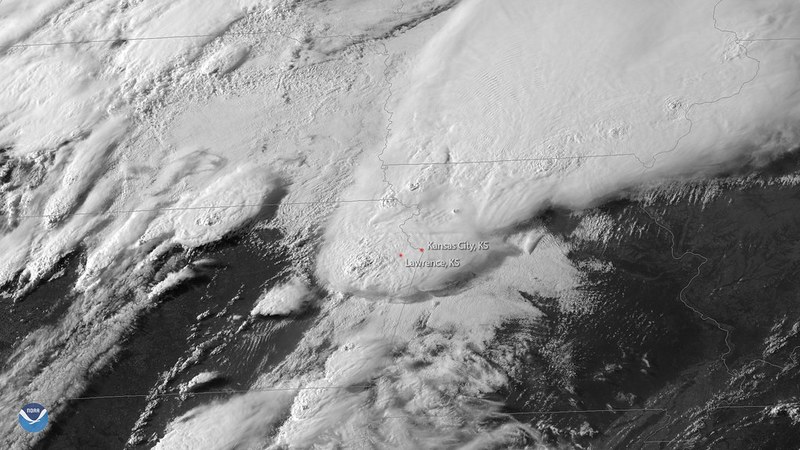
A fast-moving storm system on November 10, 2026, disrupted flight operations across nine major US airports, stretching from the Pacific Northwest through the Upper Midwest into the Northeast. The severe weather included low clouds, gusty winds, rain, and embedded thunderstorms, reducing visibility and imposing arrival restrictions that led to numerous flight delays and cancellations.
Ground Delay Programs at Seattle–Tacoma, LaGuardia, and Boston Logan
Seattle–Tacoma International Airport experienced low ceilings and diminished visibility in the morning, with potential further delays due to crosswinds affecting runway alignments. New York LaGuardia Airport implemented ground delay programs coupled with slower arrival rates owing to gusty winds and localized showers. Boston Logan Airport also
operated a ground delay program during the day, reflecting the storm’s extension into the northeastern corridor. Additional arrival constraints briefly affected other East Coast airports as well.
Weather Conditions and Flight Volume Impact
The storm’s low cloud layers, rain, and embedded thunderstorms forced many flights to rely on instrument approaches, reducing arrival capacity to maintain safety margins. On a typical day, the Federal Aviation Administration (FAA) manages over 45,000 flights across the US. Recent FAA data shows that ground stops at the country’s 30 largest airports have increased by nearly 20% year-on-year as of 2024, driven largely by intensifying convective weather. Early afternoon reports on November
10 indicated thousands of delayed flights nationwide, primarily due to weather and airspace volume restrictions.
Delay Propagation Beyond Storm Corridor
Delay impacts extended beyond the storm-affected airports to cascading effects on connecting flights and smaller airports. Disruptions at hubs like Seattle and New York created later delays at airports outside the direct storm path, affecting inbound aircraft and crews. Midwest airports including Chicago and Detroit encountered traffic management actions such as holding patterns and reroutes amid rain bands, contributing to a rolling constraint on flights moving between the East and West Coasts.
Continued Weather Impact and Traveler Recommendations
The National Weather Service’s Aviation Weather Center forecasts the storm will continue moving
eastward into the Atlantic overnight, with residual low clouds and showers possibly affecting early morning flights on November 11. Airlines are actively monitoring conditions and applying targeted reaccommodation or waivers based on ongoing weather developments. Passengers with tight overnight connections through the northern hub airports may still face delays the following morning. Travelers are advised to allow additional connection time, choose earlier departures when possible, and monitor flight status frequently due to frequent schedule changes during severe weather days.