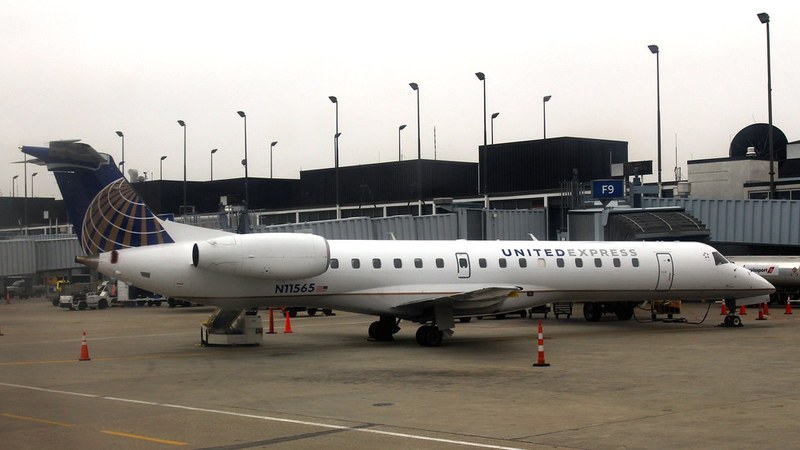
A fast-moving storm system caused flight delays and cancellations at nine major US airports on November 10, 2026, including Seattle–Tacoma International Airport, New York LaGuardia Airport, and Boston Logan Airport. The disruptions included ground delay programs, arrival restrictions, and congestion in terminals.
Weather Conditions Affect Flights Across Northern US
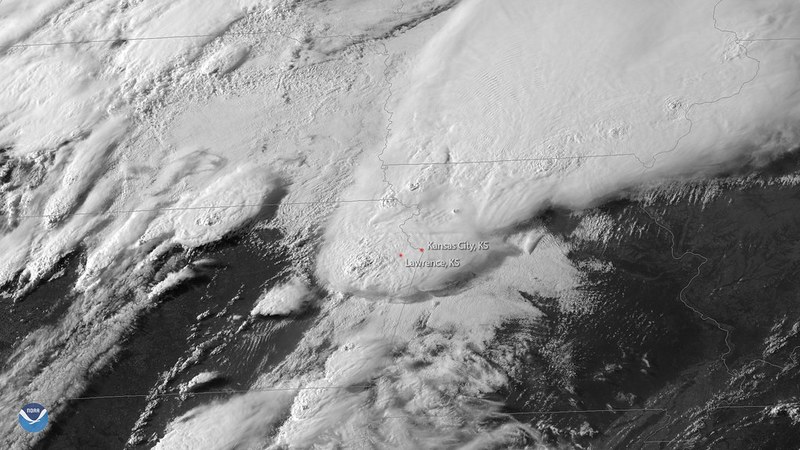
The storm generated low clouds, gusty winds, rain, low ceilings, reduced visibility, crosswinds, and embedded thunderstorms along a corridor stretching from the Pacific Northwest through the Upper Midwest into the Northeast. These conditions forced many airports to reduce arrival and departure rates to maintain safety.
Operational Impact at Major Airports
Ground delay programs were active at Seattle–Tacoma International and New York LaGuardia airports,
while Boston Logan and several other East Coast airports operated under arrival restrictions. Arrival and departure capacity caps limited throughput especially during morning and late afternoon peak periods, contributing to mounting delays and cancellations.
Flight Traffic and Delay Trends
On a normal day, US air traffic facilities manage over 45,000 flights. FAA data show a near 20% year-on-year increase in ground stops among the 30 largest airports as of 2024, driven in part by intensified convective weather. The extensive weather on November 10 overwhelmed airspace capacity at several key hubs, increasing delays and disrupting aircraft and crew schedules.
Traveler Impact and Propagation of Delays
Delays and cancellations on November 10 affected
hundreds of thousands of passengers nationally. Disruptions extended beyond the nine airports due to connecting flights missed at the primary hubs. This caused residual delays at secondary airports and could lead to continued disruption for travelers with tight overnight connections on November 11.
Advisories and Recommendations for Passengers
Passengers were advised to allow additional connection time and favor earlier departures where possible. Major US carriers monitored conditions closely and offered targeted rebooking without change fees depending on evolving weather. Passengers encountering cancellations or long delays were advised to review carrier policies and federal regulations regarding assistance for weather-related disruptions.
Operational Challenges and Technology Use
Constrained staffing in air traffic control
and ground operations limited recovery options during the storm. Independent services and FAA dashboards provided real-time tracking of arrival restrictions and delay programs, helping pilots, dispatchers, and passengers gauge ongoing disruptions. National Weather Service forecasts highlighted ongoing convective activity affecting airport operations.
Storm Progress and Forecast
The November 10 storm system moved eastward into the Atlantic by evening, with lingering low clouds and showers expected to affect early operations on November 11. Additional travel advisories could be issued if convective weather intensifies or visibility deteriorates further.