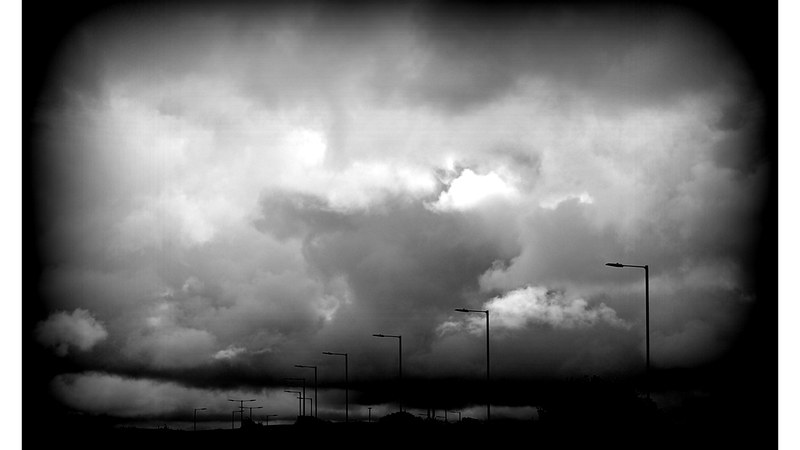
A fast-moving storm system on November 10, 2026, caused flight disruptions across nine major US airports. Low clouds, reduced visibility, and crosswinds impacted operations at key hubs including Seattle–Tacoma International Airport, New York LaGuardia Airport, and Boston Logan International Airport.
Traffic Management Initiatives at Key Airports
Ground delay programs and arrival restrictions were active at multiple airports throughout the day due to adverse weather. Seattle–Tacoma faced low ceilings and visibility reductions, with possible additional delays from wind shifts. The New York metro area airports, including LaGuardia, experienced slower arrival flows caused by gusty surface winds and scattered showers. Boston Logan operated under a ground delay program
alongside four other airports earlier in the day. Flights inbound to Chicago and Detroit encountered reroutes or holding patterns as cumulative delays created rolling constraints in main traffic corridors.
Flight Volume and Delay Growth
FAA data indicate US airports handle over 45,000 daily flights, so restrictions at these nine busy hubs significantly disrupted schedules nationwide. Delay counts rose rapidly after weather programs started, reaching thousands by early afternoon Eastern time. A 2024 FAA report noted ground stops at the 30 largest airports have risen nearly 20% year over year, driven by increasingly intense convective weather and crowded airspace. Forecasts from the National Weather Service’s Aviation
Weather Center showed the storm system moving eastward into the Atlantic on the night of November 10, with lingering low clouds and showers expected to impact early operations on November 11.
Traveler Disruptions and Airline Responses
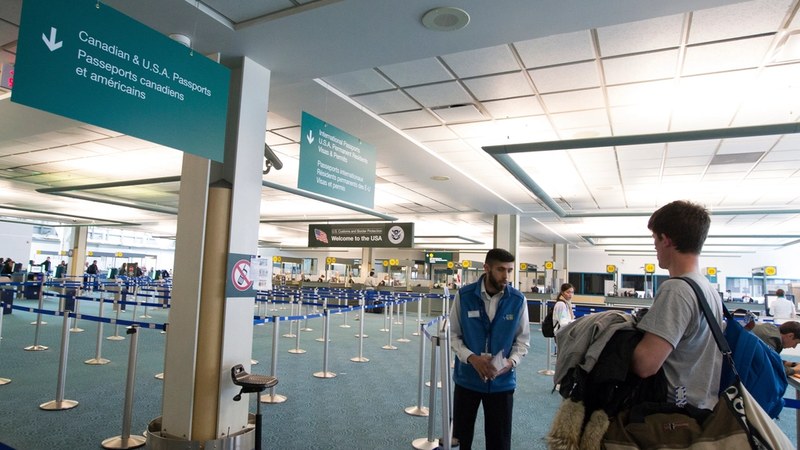
Passengers at the nine major airports faced delays, cancellations, and longer queues in terminals. Travelers with short overnight connections through northern airports may experience residual disruptions into the morning of November 11. Delays extended beyond the storm path due to missed connections from affected hubs. Airlines monitored conditions closely, applying targeted reaccommodation policies without issuing broad system-wide waivers. Consumer rights platforms recommend passengers review carrier contracts and federal regulations
for rebooking assistance related to weather disruptions.
Weather and Operational Factors
The storm stretched from the Pacific Northwest across the Upper Midwest to the Northeast, bringing rain, embedded thunderstorms, and gusty winds. Low cloud layers necessitated instrument approaches and reduced safe arrival rates. Staffing constraints in air traffic control and ground operations compounded delays, as crowded airspace limited the ability to recover schedules swiftly after weather deterioration. Regional storm effects now ripple throughout the national flight network more quickly due to overall airspace congestion.
Monitoring and Information Sources
Publicly available FAA and National Weather Service feeds provide frequent updates on ground stops, delay programs, and weather threats. Services
translating this data into color-coded airport delay maps help travelers anticipate queue lengths and rebooking demand. The FAA’s system status boards and the Aviation Weather Center’s advisories primarily serve pilots and dispatchers but aid in setting traveler expectations on delay duration and flight operations during evolving weather.