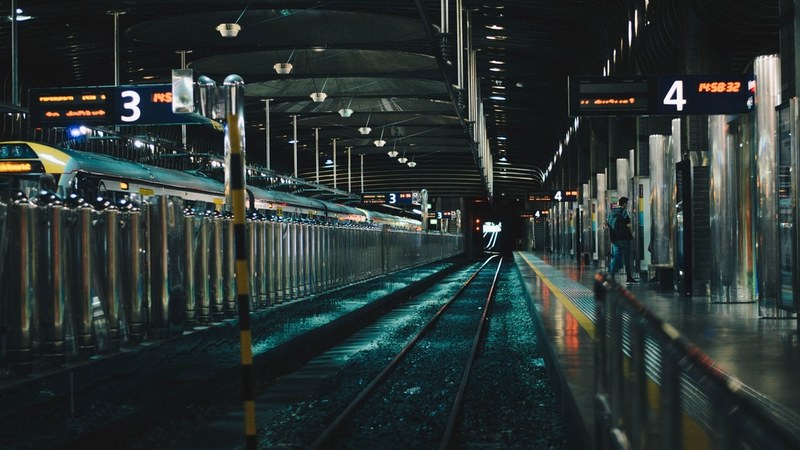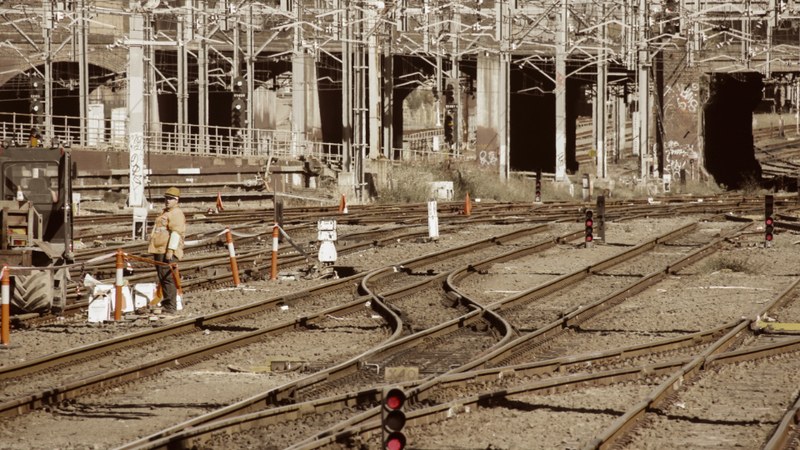
On October 28, 2026, a train operated by Renfe collided with a stationary Iryo train near the village of Urda, approximately 130 kilometers south of Madrid, on the Madrid-Seville high-speed railway line. The collision resulted in 69 fatalities, marking one of Europe’s deadliest rail disasters this century.
Following the crash, the European Public Prosecutor’s Office (EPPO), supported by Spain’s Guardia Civil, commenced an investigation into potential fraud involving European Union funds. The inquiry focuses on suspected misappropriation of resources allocated for renovation and safety system upgrades on the Madrid-Seville high-speed rail line. Investigative activities are underway at the offices of
the Adif rail infrastructure authority and the AESF rail safety agency.
The fatal collision was linked to the failure of the LZB communication system, which tracks train locations. Despite the system’s malfunction, the Renfe train was authorized to travel at normal speed even though the Iryo train ahead was stationary and unable to restart. This miscommunication contributed directly to the accident.
The Urda incident is the second deadly accident on this line in 2026, following a separate collision in January near Adamuz that killed 46 people. Combined, the two crashes have claimed 115 lives. The consecutive disasters have intensified scrutiny
on Spain’s railway safety and political leadership.
Óscar Puente, Spanish transport minister at the time, resigned shortly after the Urda crash. Carlos Cuerpo succeeded him and has met survivors from both accidents, pledging to implement all necessary actions to restore public confidence in Spain’s high-speed rail services. The upcoming parliamentary elections on November 29, 2026, have been overshadowed by these incidents, with the ruling Socialist government facing lowered political support.
The accidents have also affected passenger behavior, with reports of widespread train cancellations and largely empty platforms across Spain. A funeral for the 69 victims of the Urda crash is
scheduled for November 10, 2026, at Toledo cathedral in the province where the disaster occurred.
The EPPO noted the high public interest in the investigation but withheld further details. A Spanish judge is involved to authorize investigative measures such as searches and phone tapping to ensure compliance with legal safeguards.
Carlos Cuerpo stated his commitment to “take all necessary measures to restore the confidence of Spaniards in our high-speed rail,” reflecting the urgency to address safety concerns after two tragic accidents on the same route within a single year.