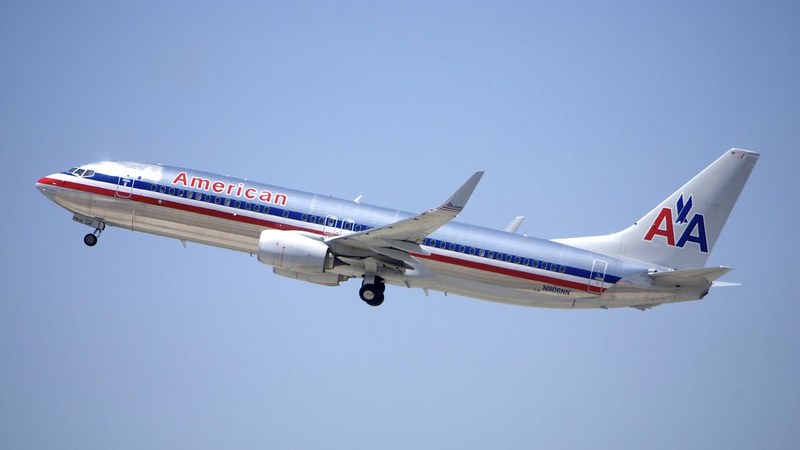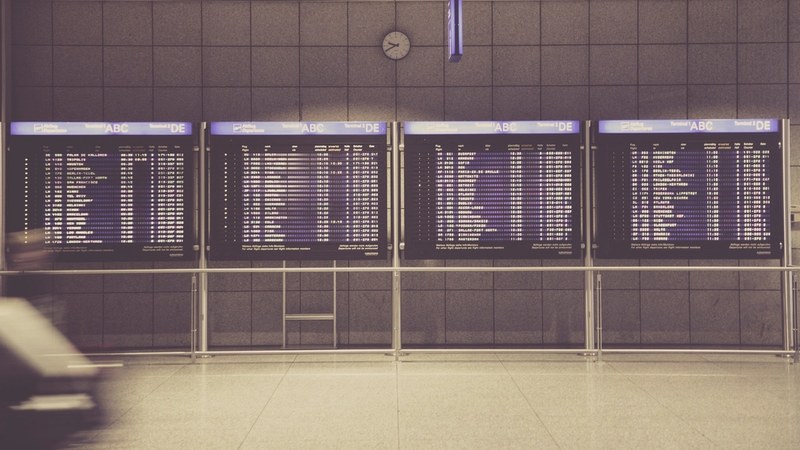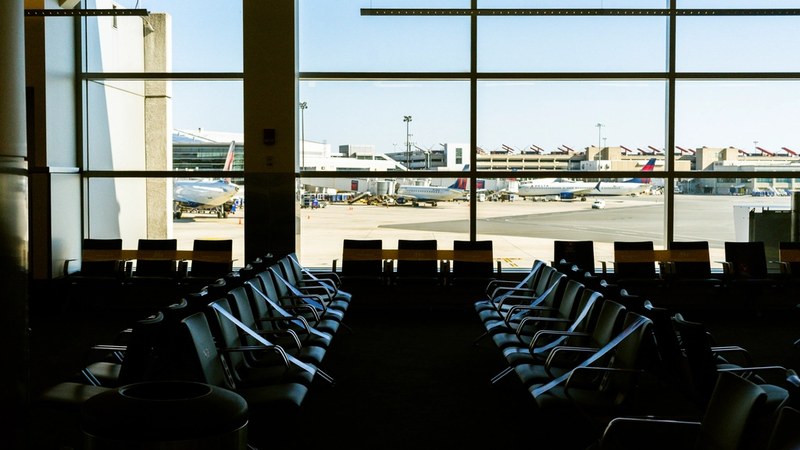
On November 9, 2026, dense fog covering London caused cancellations of seven flights from Heathrow Airport and three flights from London City Airport by 6:30am. A yellow weather warning from the Met Office covered London and much of South East England until 11am, with visibility expected to drop to 50 meters or less.
Fog Formation Conditions and Met Office Explanation
Met Office operational meteorologist Niamh Murray attributed the fog to longer nights and lower autumn temperatures that allow air saturation. She highlighted light winds and clear skies as contributing factors creating the ideal conditions for persistent fog during this time of year. Murray explained, “With autumn and
winter and getting fog during this time of year, we get much longer nights, and that allows temperatures to fall away.” She added temperatures near or below freezing extend fog duration into the next day.
Visibility Impact and M20 Motorway Disruption
The thick fog sharply reduced visibility in London and South East England, leading to significant road disruption. On the M20 motorway in Kent, a pile-up involving more than 30 vehicles occurred near Maidstone between junctions 8 and 9. The collision seriously injured two individuals and forced closure of both directions of the motorway for nearly 12 hours on November 9.
Travel Disruptions and Safety Advice
Passengers faced cancellations and delays
at Heathrow and London City Airports as a result of the fog. Motorists travelling in affected areas were urged to exercise greater caution. The AA president Edmund King advised drivers to adapt their speed, increase following distances, and avoid relying solely on rear lights of vehicles ahead. King stated, “Fog can transform a familiar road in a matter of minutes, so drivers need to be prepared to adapt their speed and leave more room between themselves and the vehicle ahead.” He added, “There’s no prize for arriving a few minutes early. Give yourself extra time, slow down and drive to
what you can actually see ahead.”