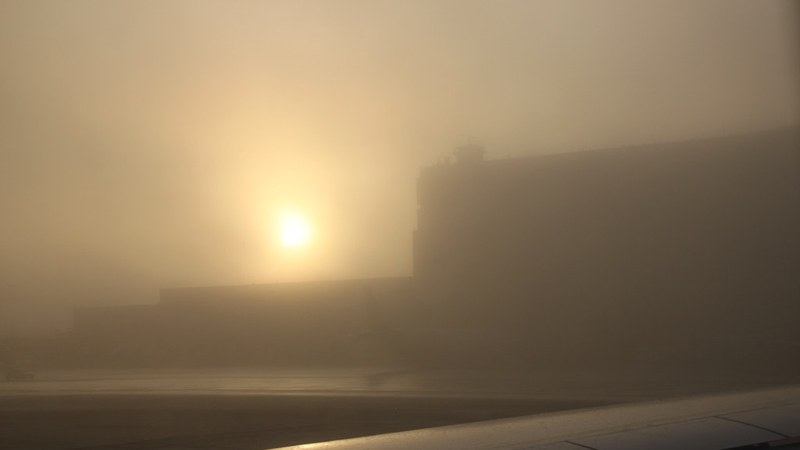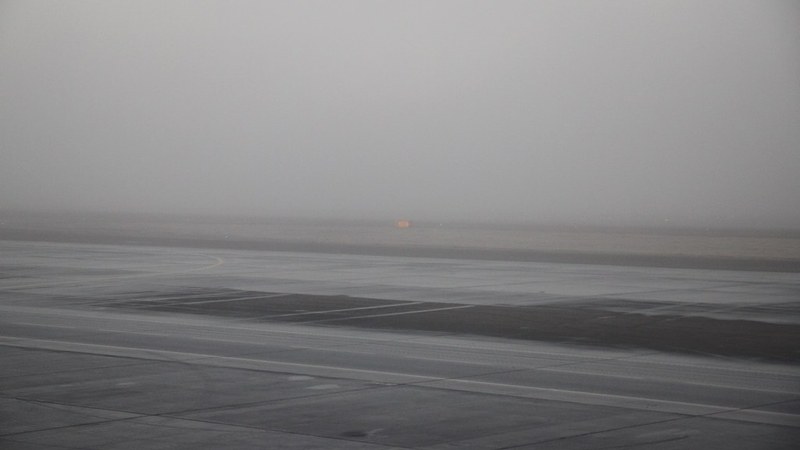
On November 9, 2026, dense fog forced the cancellation of seven flights at London Heathrow Airport and three at London City Airport by 6:30am. Visibility at both airports dropped to 50 meters or less, disrupting operations in the morning.
Meteorological Conditions Behind the Fog
Met Office operational meteorologist Niamh Murray explained that the current weather conditions form a “perfect recipe” for fog. She cited the autumn and winter nights lengthening, allowing longer cooling periods. Temperatures falling closer to saturation levels, combined with light winds and clear skies, create an environment where fog forms easily and can persist. Negative temperatures in degrees Celsius contribute to fog
being stubborn and lasting into the next day.
Weather Warnings and Visibility Forecast
A yellow weather warning covering London and most of South East England remains in place until 11am on November 9. Visibility is reduced to 50 metres or less during this time. The Met Office forecasts the fog to persist well into the morning across London, complicating airport operations and travel.
Road Incident and Driving Safety Advice
The fog conditions caused a motorway crash involving more than 30 vehicles on the M20 between junctions 8 and 9 near Maidstone, Kent. The pile-up seriously injured two people and closed the motorway for nearly 12 hours starting Saturday evening.
AA president
Edmund King urged motorists to adapt their speed, leave more room between vehicles, and avoid following rear lights blindly. He stressed that fog can transform familiar roads quickly, warned against a false sense of security from tail lights, and advised allowing extra travel time.
The flight cancellations at London Heathrow and London City airports meant passengers had to adjust or delay travel plans. Motorists in affected areas were urged to take extra care in poor visibility.