Hong Kong International Airport and Air New Zealand were granted official certification by the International Air Transport Association (IATA) in 2026 for their advanced digital identity systems. This certification marks the first such recognition awarded by IATA in the year, highlighting these entities’ leadership in secure passenger verification technology.
IATA’s 2026 Global Passenger Survey Shows Increased Biometric Adoption
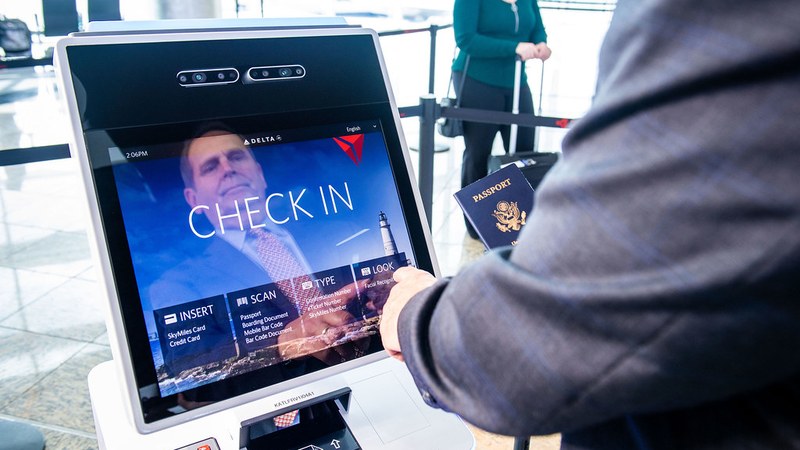
IATA released its 2026 Global Passenger Survey (GPS) on October 28, based on over 10,000 responses from participants representing more than 200 countries. The survey recorded an 8 percentage point rise in passengers who experienced airport biometric processing, from 50% in 2025 to 58% in 2026. Passenger satisfaction with biometric experiences
reached 87% in 2026.
Furthermore, 78% of surveyed travelers expressed willingness to share biometric data to avoid presenting passports and boarding passes during security checks. Interest in using digital passports for online check-in increased, with 84% of passengers open to replacing physical passports with digital versions. Additionally, 82% indicated they would share their digital travel identification with airlines after booking and payment to enable access to personalized services such as visa information.
IATA Membership and Global Biometric Implementation
IATA represents over 370 member airlines, including American Airlines, Delta Air Lines, Ryanair, United Airlines, and Lufthansa. The association advocates for governments to establish a unified framework for
secure digital passport issuance and acceptance, often referred to as Digital Travel Credentials. These initiatives aim to enhance security and streamline travel processes for governments, airlines, and passengers worldwide.
Biometric Opt-Out Policies at U.S. Airports
Travelers at United States-based airports are allowed to decline participation in facial recognition biometric processing without incurring delays. The U.S. Transportation Security Administration (TSA) permits opting out of facial comparison technology with no impact on screening times or queue positions. Likewise, U.S. Customs and Border Protection (CBP) offers alternative processing methods for those who refuse facial photo capture, typically involving manual verification by officers.
Nick Careen on Biometric Benefits and Government Frameworks
Nick Careen, IATA’s Senior Vice President of
Operations, Safety and Security, emphasized the growing passenger acceptance of biometrics. He stated, “More passengers are experiencing biometrics during their travels. They like it and want more.” Careen added that biometrics contribute to smoother journeys and more efficient, secure procedures for governments and airlines. He highlighted the necessity for governments to agree on a framework for issuing and accepting secure digital passports to normalize biometric use in international travel.