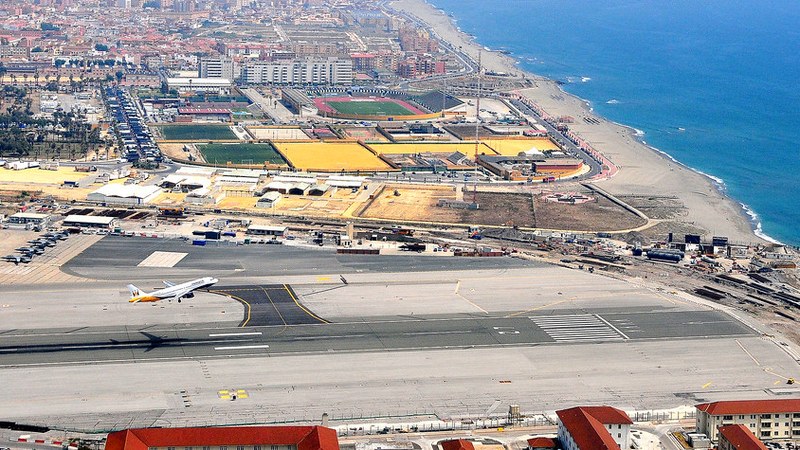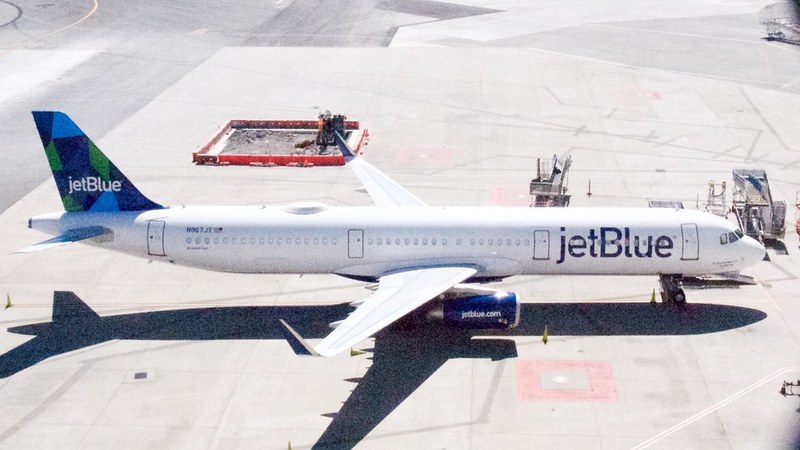
At least 27 flights were disrupted across Europe during the week beginning November 2, 2026, due to bomb threats. These incidents, which intensified on November 3, 5, and 6, led to emergency landings, diversions, evacuations, military escorts, and airport closures. Authorities found no explosives or bomb devices during security checks.
Flight Diversions and Emergency Landings
An Aer Lingus flight carrying 151 passengers and six crew from Dublin to Rome was diverted to Évreux air base in Normandy as a precaution. The aircraft landed safely while security teams conducted inspections.
In Bulgaria, three planes made emergency landings: two Ryanair flights from Copenhagen and Madrid landed in
Sofia, and another Ryanair flight from London was diverted to Plovdiv airport. Officials found no threats onboard and both airports operated normally afterward.
Four flights to or from Prague were rerouted following an anonymous email warning about explosive devices. After inspection, no explosives were discovered.
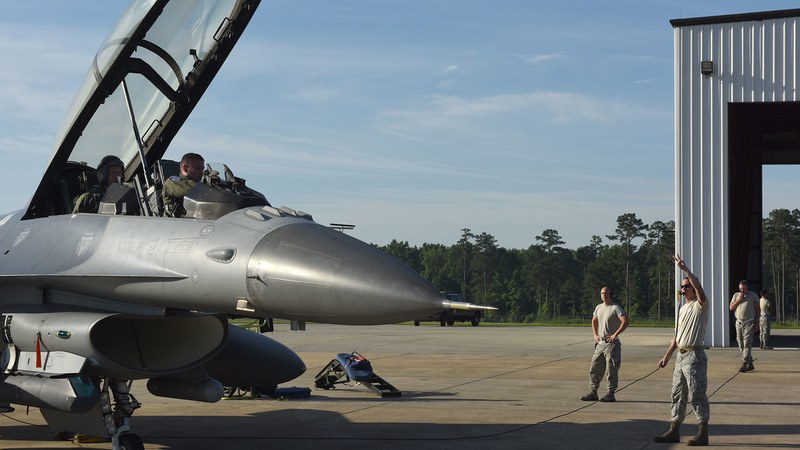
A Finnair flight from Helsinki to Rome Fiumicino airport was escorted by two Italian Air Force fighter jets as a security measure. Police conducted extensive checks at Rome Fiumicino but found no bombs.
Countries Affected and Media Evacuations
Air traffic disruptions occurred in at least 10 European countries, including Ireland, Italy, Bulgaria, the Czech Republic, Spain, France, Poland, Denmark, Portugal,
Austria, Belgium, Hungary, Romania, and the Netherlands.
In Dublin, offices of RTÉ, Irish Independent, Newstalk, Today FM, and Virgin Media were evacuated following bomb threat emails linked to the same group affecting air traffic. In the United Kingdom, Sky News staff were also evacuated after receiving a bomb threat but returned after authorities confirmed no explosives were present.
Official Responses and Ongoing Investigations
European Commissioner for Transport Apostolos Tzitzikostas said it is too early to determine if the incidents across countries are connected. British Transport Secretary Heidi Alexander called the alerts a “malicious hoax,” confirming that all established security protocols were activated.
Spanish Foreign Minister
José Manuel Albares characterized the false threats as an “attempt at hybrid aggression and psychological warfare.” Investigations involving the European Commission, the European Union Aviation Safety Agency, and national authorities are ongoing.
The anti-feminist group “The Male State” was identified as the sender of a bomb threat email targeting a logistics company linked to Rome’s Fiumicino airport; however, this does not imply responsibility for all threats during the week.
Hybrid Threats and Aviation Security Vulnerabilities
Authorities describe the wave of threats as possible coordinated hybrid warfare tactics that combine disinformation, cyberattacks, and psychological pressure. Previous sabotage linked to the Russia-Ukraine conflict since 2022 has targeted European
countries. Analysts have speculated on possible Russia-linked involvement, though no confirmation exists.
Cyberattacks on European refrigeration systems and attempted breaches on public health infrastructure have heightened security concerns. The aviation sector remains especially vulnerable since any suspected bomb threat triggers costly military escorts, airport closures, and cross-border coordination, causing cascading disruptions across the interconnected air traffic network.
Expert Perspective on Bomb Threats
Dan Sabbagh, The Guardian’s defense and security editor, noted, “Airlines receive bomb threats on a daily basis, at a rate that we would find extraordinary if we knew.” He added, “Terrorism doesn’t have to be violent to terrorise. The purpose of terrorism is
to scare.” Sabbagh observed that current threats reflect a world with “familiar uncertainties, but attributed to different players.”