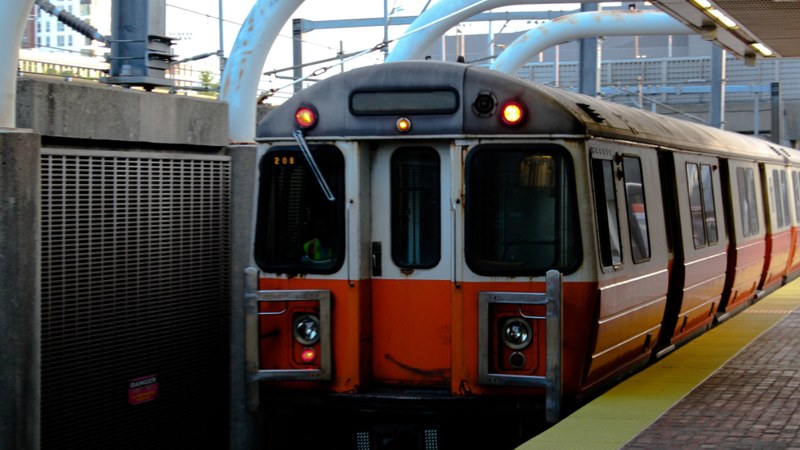
Sound Transit and the Federal Transit Administration will publish a draft environmental impact statement (EIS) for the Ballard Link Extension light rail project on December 11, 2026. The extension will branch off the existing 1 Line, covering 12.4 km between SODO and the Ballard area. It includes a 5.3 km tunnel and is planned to serve up to nine stops, creating a second light rail corridor through Downtown Seattle and connecting with the 1 and 2 lines at Westlake station before reaching Smith Cove and Ballard.
Funding Status and Project Scope
Construction funding for the segment between SODO and Seattle Center is fully secured under
the Sound Transit 3 system expansion plan, which voters approved in November 2016. The draft EIS also addresses the extension from Seattle Center to Market Street in Ballard, but construction financing for this section remains unavailable. Sound Transit is responsible for the project’s coordination alongside the Federal Transit Administration, which leads the environmental review and public consultation process.
Review Process and Next Steps
The public consultation period for providing input on the draft EIS will remain open until February 9, 2027. In 2027, the Sound Transit Board will evaluate the draft EIS findings and consider feedback from the public, agencies, and Tribal organizations. Following this
review, the board will confirm or revise the preferred project alternative. A final EIS will then be prepared to support a decision on the construction alignment and scope.
Project Purpose and Community Impact
The Ballard Link Extension aims to deliver fast and reliable light rail service to dense residential and employment districts in Seattle’s Chinatown-International District, Downtown, South Lake Union, Uptown, Interbay, and Ballard neighborhoods. By providing a second route through Downtown Seattle, the extension is expected to boost transit capacity and connectivity in these corridors.
Sound Transit has committed to reducing project costs, enhancing financial capacity, and securing additional funding to enable opening the
full extension simultaneously. The extension’s completion will potentially alter transit route configurations throughout Seattle, contingent on final project decisions and funding availability.