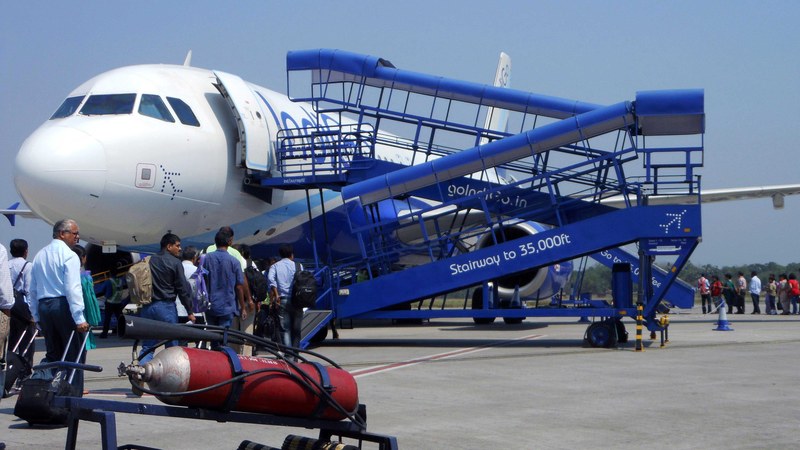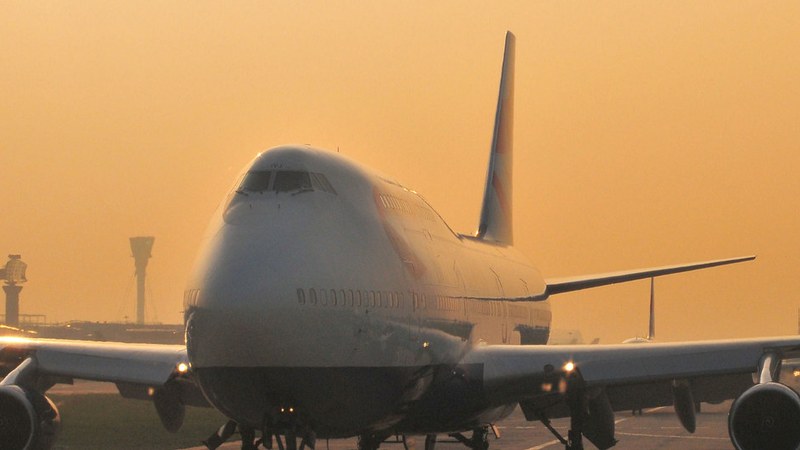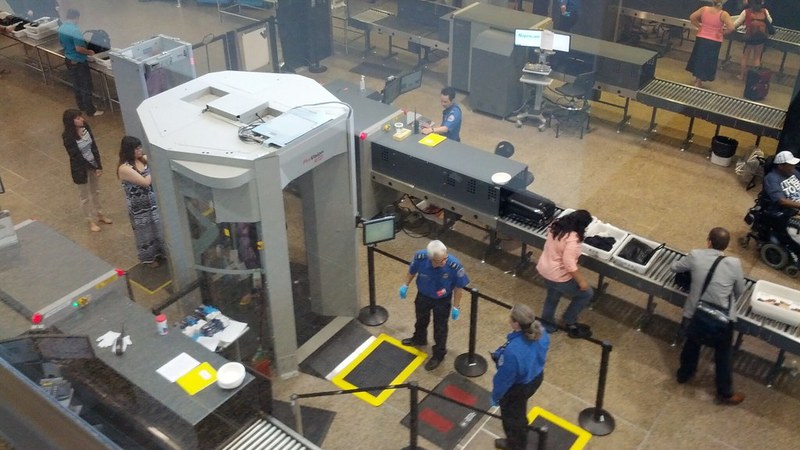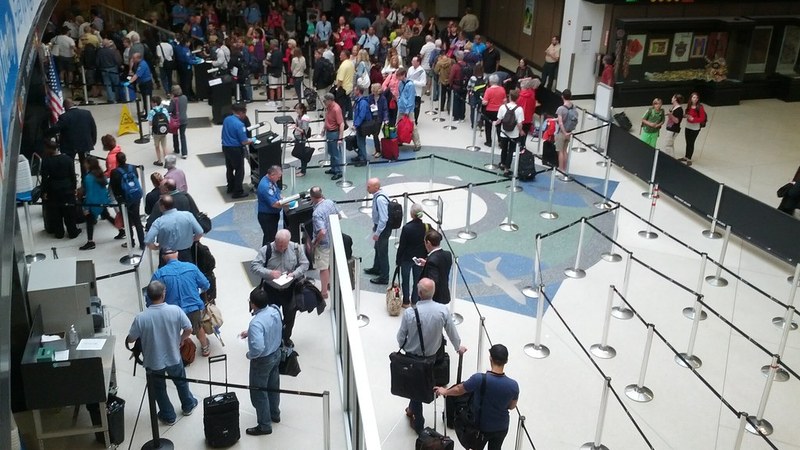
At least 25 commercial flights across Europe were diverted or made emergency landings on Thursday, November 5, 2026, after receiving hoax bomb threats. This followed disruptions earlier the same week on Tuesday, November 3, when seven flights were similarly affected. Airlines treated the threats as credible, prompting heightened security procedures that significantly delayed passenger movements.
Flight Disruptions and Security Responses
No explosive devices were discovered during the security checks on any of the threatened flights. Authorities continue to investigate the origin and coordination of the bomb threat hoaxes but have not yet confirmed links to any terrorist organization or hostile state actor. Despite this, aviation
experts suggest that the scale and timing of the disruptions could indicate some coordination behind the threats.
Broader Hybrid Warfare and Cyberattacks
The bomb threats coincide with an ongoing wave of cyber disruptions targeting critical infrastructure across Europe, including supermarket refrigeration systems and blood storage facilities. Countries affected include Belgium, Sweden, the United Kingdom, and France. In some cases, hackers manipulated refrigeration temperatures to as high as 50 degrees Celsius. British authorities have linked these tactics to hybrid warfare strategies aimed at causing economic and psychological disruption without conventional military engagement.
Expert Commentary and Threat Landscape
Dan Sabbagh, defense and security editor at The Guardian, described bomb threats as a
daily occurrence for airlines at an extraordinary frequency unknown to the public. He stated, “Airlines receive bomb threats on a daily basis, at a rate that we would find extraordinary if we knew.” Sabbagh emphasized the shift in the security environment, noting that modern threats come from different state-linked actors employing subtler tactics: “The purpose of terrorism is to scare.”
Dan Milmo, global technology editor at The Guardian, identified two main categories of attackers: criminal gangs and nation states, with a third group of disruptive but less experienced young hackers. He cited the hacker collective Scattered Spider as an example.
Two members of Scattered Spider were jailed in July 2026 for attacks on Transport for London.
Relevant Entities and Research
Related security incidents include an alleged plot targeting RAF Fairford in the United Kingdom, believed to involve an actor operating on behalf of Iran. The Turing Institute in the UK is conducting research on artificial intelligence applications to enhance the resilience of critical infrastructure systems amid rising hybrid threats. These research efforts support countermeasures against cyberattacks impacting essential services near aviation hubs.
Passenger Impact and Operational Consequences
The immediate effect of the bomb threat hoaxes was the diversion or emergency landing of at least 25 flights across Europe, resulting
in delays and disruptions for passengers. The scale of the security response underlines the perceived seriousness of the threat in the aviation sector and the priority given to safety despite the lack of physical evidence of explosives.
Ongoing Investigations and Unknowns
Authorities have yet to publicly identify the perpetrators behind the false bomb threats, and no conclusive evidence has connected the incidents to coordinated terrorist groups or state-sponsored operations. Specific details about the affected airports, airlines, or the full extent of passenger disruption remain undisclosed as investigations continue.