Permanent US Airline Route Cancellations in 2026: Overview and Industry Implications
In 2026, several US airlines finalized permanent cancellations of multiple domestic flight routes, resulting in a notable shift in the country’s aviation landscape. Key carriers such as Breeze Airways reportedly cut nine routes, while major airlines including Delta and United highlighted several routes for frequent cancellations. This development has important operational and economic ramifications for the broader travel and tourism sectors.
Why Route Reductions Matter to the Travel Industry
Flight options across many US cities have diminished due to these cancellations, creating ripple effects for airports, airlines, hotels, and destination economies. Reduced direct flights can constrain passenger traffic and impact connectivity, thereby influencing traveler demand patterns and operational
planning. For tourism businesses, these changes compound challenges in attracting visitors and sustaining growth momentum.
Effects on Airlines
For airlines, pruning underperforming routes forms part of broader network optimization strategies amidst evolving market dynamics. Breeze Airways’ decision to cut nine routes reflects a recalibration towards more profitable or strategically aligned services. Major carriers like Delta and United managing frequent cancellations must contend with balancing service reliability and cost-efficiency. Reduced route options may shift passenger demand toward hubs with better connectivity.
Implications for Tourism and Hospitality
Fewer nonstop flights can lead to decreased arrivals in affected destinations, influencing hotel occupancy rates and related hospitality revenues. Tourism-driven cities with cancelled
routes may face challenges in maintaining international and domestic visitor volumes. This demand contraction could also affect ancillary service providers such as ground transport and entertainment venues.
Destinations and Airports
Airports losing service on permanent routes may experience lower passenger flows, impacting concessions and operational income. It also affects regional economies dependent on air transport accessibility for business and leisure travel. Adjustments in airline deployment may lead to shifts in airport competitiveness.
Practical Impact For Travelers and What to Monitor
Passengers are likely to encounter fewer direct flight options between certain city pairs, possibly resulting in longer total travel times and increased dependence on connecting flights. Travelers should anticipate changes in
route availability and plan for additional transit. Booking well in advance and monitoring schedule changes remains advisable. Additionally, traveler flexibility could be tested as airlines fine-tune operations in response to market conditions.
Context Within The Wider Travel Industry
Route cancellations form part of an ongoing realignment in the US aviation sector, influenced by factors such as fluctuating demand patterns and rising operational costs. This readjustment period follows earlier disruptions during the global pandemic and reflects evolving traveler preferences. Airlines’ focus on network efficiency is occurring alongside wider industry challenges including airport capacity constraints and shifts in business travel demand.
Concluding Observations
The 2026 wave of permanent flight route
cancellations by US carriers signals a notable phase of transition within the aviation and travel ecosystems. Stakeholders including airlines, tourism businesses, and passengers must navigate a landscape characterized by reduced direct connectivity and operational adjustments. While these changes may temper short-term growth in some markets, they also underscore the need for adaptive strategies across the industry.
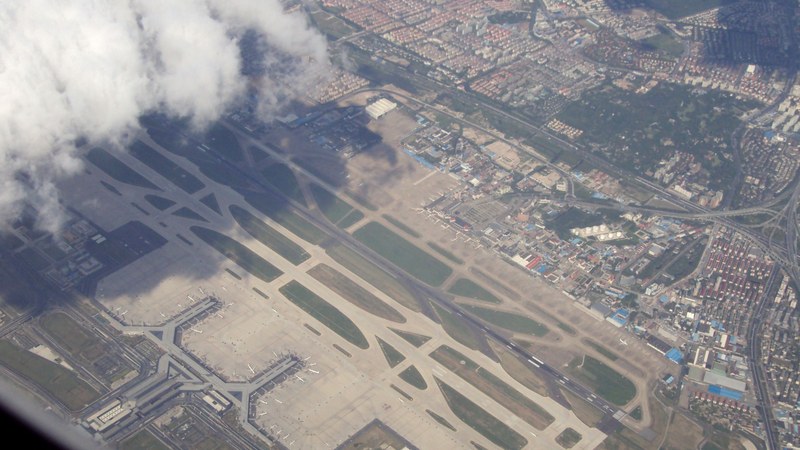
Image credit: Nicola since 1972 via Flickr (CC BY 2.0)

Image: Warsaw Chopin Airport – IMG_2251 by Nicola since 1972 via flickr, by