More than 20 flights across Europe were disrupted this week by hoax bomb threats, with significant diversions reported on Thursday, November 5, 2026. On that day alone, four flights were diverted in the Czech Republic and two in Italy.
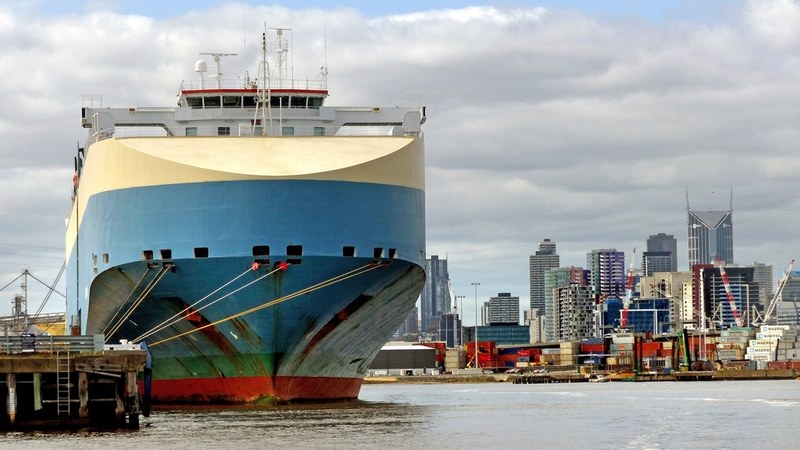
At least seven flights and one cruise ship also received bomb threat warnings earlier on Tuesday. The repeated threat emails targeted airports including Václav Havel Airport in Prague and Rome Fiumicino Airport, resulting in flight cancellations, diversions, and heightened security measures.
Threat emails linked to extremist group and anonymous sources
The bomb threats were primarily delivered through anonymous emails. Václav Havel Airport confirmed receiving emails threatening bombs on four flights.
Similar threat emails targeted multiple European airports.
In Italy, the threats came from “The Male State,” an anti-feminist extremist group originally founded in Russia and banned by a Russian court in 2021. The group sent emails claiming explosives were placed on two flights originating from Helsinki, Finland, and Dublin, Ireland, bound for Rome. A Rome Fiumicino Airport spokesperson verified the authenticity of the threat emails.
Flight diversions and passenger impact
The bomb threats forced several flights to divert. An Aer Lingus flight destined for Rome was rerouted to France due to security concerns. Additionally, two flights from Spain and Denmark were diverted to Sofia, Bulgaria.
Passengers and crew on at least 14 flights were directly affected on Thursday. All threats have been declared false, with no explosive devices found. However, fighter jets were scrambled in response to some of the threats, contributing to the operational disruptions.
Official responses and expert analysis
Airport authorities emphasized their adherence to bomb threat management protocols, with established plans and regular training enabling rapid responses. Keith Jeffries, former Federal Security Director at Los Angeles International Airport, said, “[Airports] will have bomb threat management plans, and they’ll train to that plan,” adding that no bomb threat is ever ignored.
UK Transport Minister Heidi Alexander described the
incidents as “malicious hoaxes” that activated established security procedures. Eric Schouten, head of the aviation security group Dyami, suggested Russian state actors may be behind the coordinated threats, noting a pattern including recent cyberattacks targeting European infrastructure. He commented, “From railways to the food infrastructure that you see happening with the fridges being hacked and all kinds of other operations, it does fit the narrative of Russian state actors who want to disturb Europe.” Many affected countries have provided support to Ukraine.
Wider security context and ongoing hybrid threats
The bomb threat incidents occurred amid a surge in hybrid campaigns targeting European essential services. Aviation threats coincided
with cyberattacks on supermarket refrigeration systems and other critical infrastructure, highlighting the broader security challenges faced by Europe.
European Union officials have not confirmed any direct link between the bomb threats and state actors but continue monitoring the evolving security situation. European airports remain vigilant and regularly train for such threats to protect passengers.