Over 25 flights across Europe were disrupted this week by hoax bomb threats, triggering multiple flight diversions and causing operational challenges at major airports including Václav Havel Airport in Prague and Rome Fiumicino Airport. On Thursday alone, more than a dozen flights were affected, with four diversions in the Czech Republic and two in Italy.
Examples of disrupted flights include an Aer Lingus service from Dublin to Rome that was diverted to France on Thursday. Additionally, two flights originating from Spain and Denmark were forced to divert to Sofia, Bulgaria on the same day. Václav Havel Airport in Prague confirmed
receiving anonymous email threats about bombs on four flights, while in Italy, emails from an anti-feminist group called “The Male State” falsely claimed explosive devices on flights from Helsinki and Dublin. Czech Police verified that similar threatening emails targeted multiple European airports.
Background and Origin of Threats
The bomb threats were primarily sent by email, with Czech authorities confirming anonymous emails to Václav Havel Airport and Italy’s logistics hub associated with Rome Fiumicino Airport receiving false claims from The Male State group. Created in Russia in 2016 and designated extremist by a Russian court in 2021, The Male State espouses misogynist views and has expressed
support for Russia’s actions in the Ukraine war. While no official links have been established, European security analysts and officials suspect these threats could be part of a broader campaign of disruption possibly tied to Russian state actors.
Eric Schouten, head of the aviation security group Dyami, noted the timing of these threats alongside cyberattacks on European supermarket refrigeration systems, suggesting a coordinated effort by actors aiming to destabilize critical infrastructure and spread disruption across Europe.
Security Responses and Official Statements
Authorities responded swiftly to the bomb threats. Václav Havel Airport and Czech Police confirmed the legitimacy of the threat emails, which were treated seriously
despite being hoaxes. UK Transport Minister Heidi Alexander characterized the incidents as “malicious hoaxes” that activated “established processes for dealing with hoax and malicious threats.”
Former Federal Security Director at LAX, Keith Jeffries, emphasized that all airports implement bomb threat management plans and train regularly to ensure rapid response. He stated, “will have bomb threat management plans, and they’ll train to that plan,” explaining that any bomb threat calls for immediate action and no threat is ever ignored.
Traveler Disruptions and Flight Diversions
Passengers and crews on at least 14 flights on Thursday alone were forced to cope with diversions and delays. Aside from the
Aer Lingus Dublin to Rome flight rerouted to France, four flights in the Czech Republic were diverted on the same day. Two others from Spain and Denmark landed in Sofia, Bulgaria instead of their intended destinations.
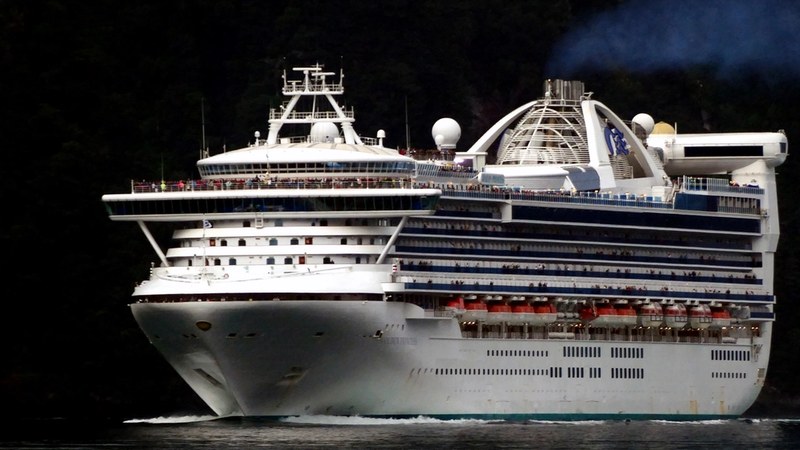
On Tuesday, at least seven flights and one cruise ship also received bomb threats, contributing to a total of over 25 flights affected throughout the week. No explosive devices have been found in any incident so far, but the disruptions have interrupted schedules and forced increased airport security measures.
Industry Context and Broader Disruptions
European airports maintain set protocols and training to manage bomb threat scenarios. Alongside these aviation
threats, cyberattacks targeting supermarket refrigeration systems have occurred across Europe this week. Eliran Almog, CEO of aviation cybersecurity firm Cyviation, observed, “These aviation threats are also occurring in the same period as cyberattacks on supermarket refrigeration systems across Europe,” illustrating a pattern of coordinated disruptions on multiple critical services.