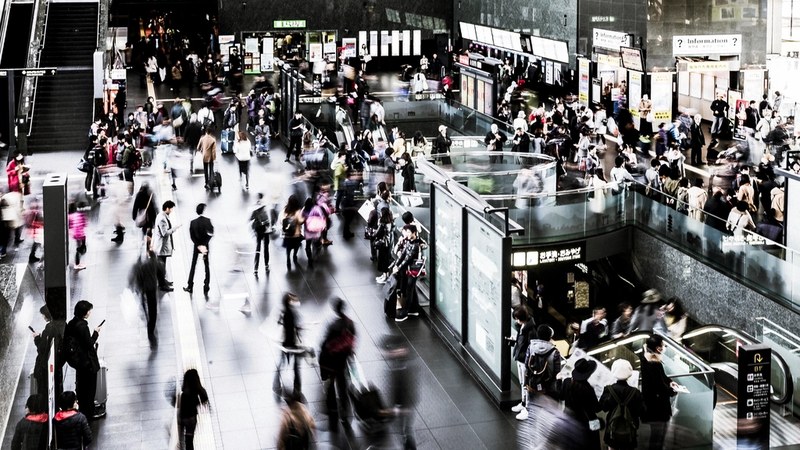
A nationwide rail strike led by France’s four representative rail unions disrupted SNCF services from the evening of November 4 through the morning of November 6, 2026. The strike focused on rail staff at the state operator SNCF, affecting regional, intercity, and suburban trains across France, including the Paris area. The action coincided with a broad cross-sector protest on November 5 against government budget plans, wages, and living costs.
Scope and Impact on Train Services
Train cancellations and delays occurred most heavily on regional TER and Intercités routes, with many services either reduced or canceled, and some trains skipping stops. The SNCF’s TGV high-speed network experienced
less disruption overall, but isolated cancellations and schedule changes were reported. In eastern and northern France, TER lines operated on modified timetables. Suburban services like RER and Transilien in Île-de-France were also patchy, with fewer trains running and advice for commuters to avoid peak travel times.
Paris Metro, tram, and bus services remained largely normal despite the rail strike. Eurostar maintained a near-normal schedule on November 5 but advised passengers to monitor for potential delays caused by domestic disruptions. Travel between city centers and to major train stations faced reduced frequencies and last-minute adjustments.
Nationwide Protests and Social Context
Alongside the rail strike, more than
600,000 people participated in nationwide demonstrations on November 5. Large rallies occurred in Paris, Lyon, and Marseille. The protests involved student organizations, trade unions, public-sector, and private-sector workers united against inflation pressures, living costs, and the government’s 2027 budget plans. This mobilisation follows continuous protests since September 2026, initiated by student grievances and expanding to broader social issues.
Authorities prepared for substantial disruption in city centers, especially in Paris, where protest march routes converged. While most demonstrations remained peaceful, earlier October protests saw instances of vandalism and clashes, heightening concerns over public order during ongoing mobilisations.
Traveler Advice and Airport Access
Passengers faced significant travel
planning challenges, with many encountering train cancellations and rerouting on short notice, particularly on TER and Intercités lines connecting smaller cities and tourist regions. Airport transfers were complicated by reduced rail access to major hubs including Paris Charles de Gaulle and Lyon-Saint Exupéry airports, increasing demand for buses, taxis, and ride-hailing services.
Travel advisories from SNCF and regional TER platforms urged passengers to consult real-time updates prior to journeys. International travelers were advised to allow extra time between connections, especially when transitioning from domestic routes to international departures. Authorities recommended building flexibility into itineraries and avoiding peak travel hours where
possible.
Official Responses and Guidance
SNCF confirmed a “national social movement” was causing widespread disruption on November 5, with effects continuing into the afternoon of November 6. Trade unions coordinated the strike to align with broader protests on social and economic issues. French embassies and transport authorities issued public advisories covering expected rail disturbances, safety warnings regarding protest locations, and recommendations for travelers to use official channels like SNCF Connect for live service information.
Local transport authorities encouraged reliance on subway, tram, and bus services, which were mostly operational, while warning of patchier suburban rail services. Travelers were advised to anticipate last-minute train cancellations
and consider intercity coaches, car rentals, or taxis as alternate transport options.
Ongoing Situation and Travel Planning
The strike on November 5 is part of a sustained wave of protests linked to wage demands, inflation, and opposition to government budget plans for 2027, with roots in student-led demonstrations beginning in September. Unions have indicated the possibility of further strike actions on November 6 and beyond.
Travel experts recommend that passengers maintain itinerary flexibility, monitor train status regularly, and plan extra time for connections, similarly to monitoring variable conditions such as weather. SNCF typically publishes next-day service plans in the late afternoon prior to travel days,
yet continued real-time checks remain essential during the ongoing disruption.