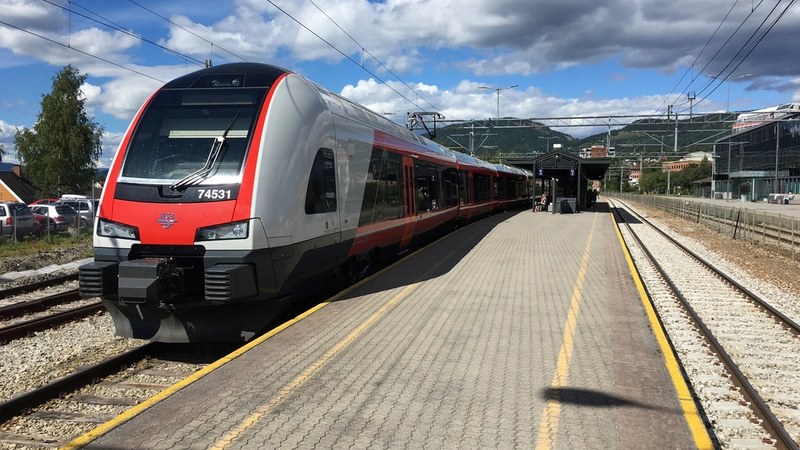
A high-speed train collision on October 28, 2026, near Urda in Toledo Province, central Spain, resulted in 68 confirmed fatalities. A Renfe-operated train rear-ended an IRYO train which had stopped ahead on the Madrid–Seville high-speed line at 8:53 a.m. local time.
Signal System Failure and Operational Instructions
The automatic train control system “LZB” failed at 8:31 a.m. on the same day along the Madrid–Seville route, causing both trains to halt automatically. Following this, the Madrid control center directed the trains to operate under manual block operation using ground signals (BSL) and to resume travel at normal speeds.
Despite the failure, the trackside signal for the Renfe
train displayed green even though the IRYO train remained stopped ahead. Transport Minister Óscar Puente confirmed the green signal malfunction and noted ongoing investigations into why the IRYO train did not move.
Speeds, Train Formations, and LZB System Details
Both trains were eight-car formations traveling from Madrid to Seville. The Renfe train’s speed at collision was preliminarily estimated between 160 and 200 kilometers per hour, exceeding the permitted manual operation speed of 40 km/h under ground signal control after LZB failure.
The LZB signaling system is a German-made technology providing continuous communication of permitted speeds to the train cab, with automatic braking if limits are exceeded. The
Madrid–Seville line, inaugurated in April 1992, remains the only high-speed line in Spain still using LZB; other routes have transitioned to the European-standard ERTMS system.
Signaling Upgrade Project Status and Contractors
Adif, Spain’s railway infrastructure manager, awarded the signaling upgrade contract to Thales España in October 2021 with a budget of €131 million but accepted a winning bid of €93.83 million, which was deemed “reckless” by Adif. The contract spans 52 months, originally targeted for completion in February 2026.
The project has been delayed to at least 2027, with Hitachi Rail taking over the contract in 2024. Total investment for equipment renewal on the Madrid–Seville line
is approximately €780 million.
Human Factors and Safety Commission Warnings
At the time of the accident, 16 dispatchers were present at the Madrid control center, two of whom managed the Madrid–Seville line. The 63-kilometer section affected by the LZB failure was operated under human visual confirmation for train separation.
The Spanish railway accident investigation commission (CIAF) had warned in 2024 about the risks of relying solely on human visual confirmation, stating, “this barrier depends entirely on human factors and can therefore fail, and technical mitigation measures need to be introduced.” Both the Spanish railway engineers’ union (SEMAF) and traffic dispatchers’ union (SCF) criticized the outdated LZB
system and excessive dispatcher workloads, highlighting safety concerns.
Previous Incidents and Official Responses
Earlier in 2026, a separate fatal collision in January at Adamuz in Córdoba Province on the Madrid–Seville corridor killed 46 people. Prime Minister Pedro Sánchez remarked, “in a country like Spain that takes pride in its high-speed rail, it is unacceptable that two accidents of the same kind occurred in the same year,” pledging to enhance rail safety.
Transport Minister Óscar Puente described the control center’s judgment as flawed, saying the situation was “defenseless against danger.” He noted 170 LZB-triggered stops had occurred in 2026 but considered the figure normal compared to
prior years. The Spanish National Commission on Markets and Competition reported increased passenger traffic from 35 million in 2019 to 49 million in 2024 following rail liberalization.
Traveler Impact and Investigation Status
Train services on the Madrid–Seville line and broader Andalusia routes have faced suspensions and diversions after the accident. Passenger assistance centers were opened at Madrid, Seville, Córdoba, and Málaga stations. Authorities have recovered black boxes from both trains and handed them to the Civil Guard, with judicial investigations underway.
Search operations continue at the accident site, with dozens missing, including 14 foreign nationals from countries such as the United States, France, and Japan.
Emergency responders have deployed cadaver dogs to assist. Officials have not ruled out future changes in the death toll.