Hanoi has set an ambitious target to become one of Vietnam’s leading tourism centers, aiming to welcome between 47 million and 50.5 million visitors by 2030. This effort aligns with Hanoi’s role alongside Ho Chi Minh City and Da Nang as one of the country’s three major tourism growth poles. The city’s strategic push is outlined in Action Programme No. 20-CTr/TU, issued by the Hanoi Party Committee to implement the Politburo’s Resolution No. 26-NQ/TW, which designates tourism as a spearhead economic sector for the new era.
Tourism Targets and Development Plans for 2026-2030
The municipal People’s Committee issued Plan No. 406/KH-UBND on October 19, 2026, detailing tourism
development for the 2026-2030 period. The plan expects Hanoi to attract 13 to 15 million international visitors and 34 to 35.5 million domestic travelers by 2030. Tourism revenue is projected between 295 and 340 trillion VND (approximately 11.43 billion to 13.17 billion USD), contributing around 7.5 to 8 percent to Hanoi’s gross regional domestic product (GRDP).
Supporting infrastructure improvements include the addition of at least 10,000 new four- and five-star hotel rooms. Hanoi also plans to gain national tourist area recognition for three sites and develop a minimum of three craft or ancient villages into high-quality, competitive destinations in the
regional and international markets.
Cultural Heritage and Product Diversification
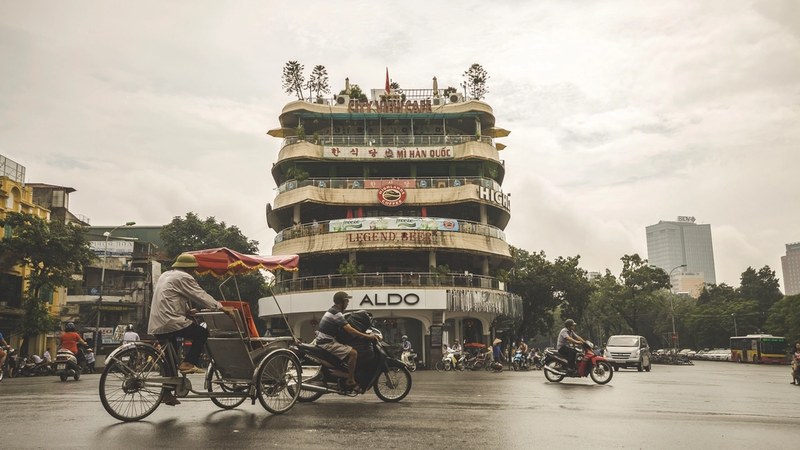
Hanoi’s rich cultural heritage assets, like Hoan Kiem Lake, the Old Quarter, the Imperial Citadel of Thang Long, and the Temple of Literature, form the backbone of its tourism appeal. Beyond traditional sightseeing, the city aims to expand into cultural and creative tourism, integrating art performances, traditional craft experiences, cuisine, creative design, and interactive community activities.
Emphasis will also be placed on event tourism, night-time activities, culinary experiences, and cultural industries. Proposals include hosting international music festivals and street art programs to enhance urban cultural life and visitor attraction.
Sustainable Growth and Service Quality Focus
Officials and experts stress that realizing Hanoi’s
tourism aspirations requires sustainable growth through improved planning, distinctive and competitive products, and consistent service quality. The current targets for visitor numbers, revenue, and accommodation expansion are considered baseline goals that must be supplemented by these qualitative improvements.
The tourism sector is actively reviewing and reorganizing tourism spaces to ensure sustainability based on cultural values. Additionally, the city is advancing the application of technology to elevate service standards and enhance destination appeal.
Regional Cooperation and Integrated Tourism Itineraries
Hanoi’s strategies include strengthening ties with neighboring localities to develop connected tourism itineraries that combine urban heritage sites, craft villages, ecological tourism, resorts, and rural experiences. This regional
coordination aims to create a more integrated and competitive tourism ecosystem, leveraging Hanoi’s position as a key coordinating hub.