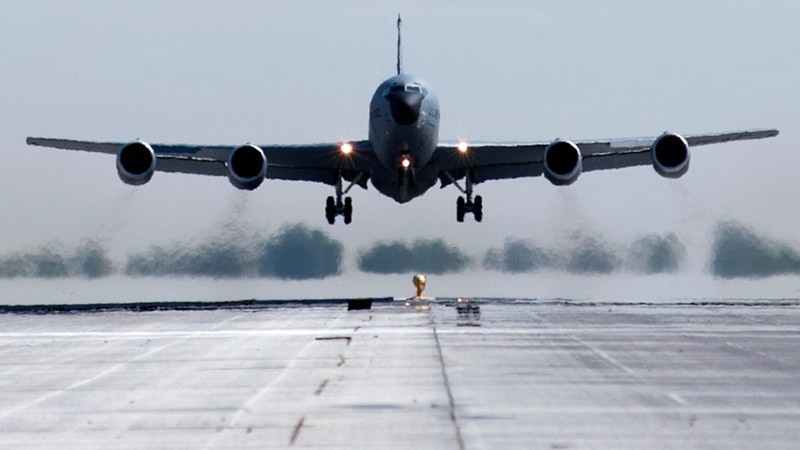
Dense freezing fog and very low visibility were recorded at Edmonton International Airport from late November 1 into the early hours of November 2, 2026. Temperatures remained below freezing with light winds, limiting moisture dispersal and causing persistent fog conditions that disrupted flight operations.
Flight Cancellations and Delays on Domestic and Transborder Routes
Canadian carriers cancelled several late-night and overnight arrivals from Cancun and Puerto Vallarta. Late November 1 cancellations also affected flights linking Edmonton with Calgary, Vancouver, Yellowknife, and Fort McMurray. Transborder cancellations included overnight arrivals from Las Vegas and Phoenix, while a Houston service arriving late November 1 was significantly delayed. Multiple evening flights from British Columbia
and Alberta regional centers experienced delays.
Operational Adjustments Due to Low Visibility
Low visibility levels forced airlines and air traffic controllers at Edmonton International to reassess arrival and departure rates. Flights were held at origin airports, placed into holding patterns, or diverted when conditions dropped below operating minimums. Freezing fog created risks of ice accumulation on aircraft surfaces and airport infrastructure, requiring stricter safety protocols that slowed ground handling and taxi operations. Whether flights operated or were cancelled depended on aircraft and crew certifications for low-visibility approaches.
Traveler Impact and Ground Access Challenges
Passengers experienced cancellations and delays across domestic and transborder routes during the late evening of November 1 and morning
of November 2. Ground access to the airport was slower than usual due to lingering patchy and freezing fog, especially on highways and rural roads south of Edmonton. Travel advisories recommended allowing extra travel time, using low-beam headlights, and reducing speeds in fog banks. Passengers were urged to monitor flight status online and to keep contact details updated as schedules changed frequently.
Seasonal Causes and Schedule Recovery
The fog event aligns with a seasonal pattern in central Alberta where temperature inversions combined with longer nights in late autumn trap moisture, causing dense fog. Late autumn conditions often produce fog because daytime heating is insufficient to
clear low clouds quickly. By mid-morning November 2, most daytime flights from hubs in Toronto, Calgary, and Vancouver operated on time. A small number of morning Vancouver services remained cancelled due to aircraft and crew repositioning. Airlines prioritized essential trunk routes for connectivity, while leisure and seasonal routes proved more vulnerable to cancellations. Travelers were advised to build extra buffer time into itineraries for tight connections, particularly during early morning and late-night flights.
Monitoring live meteorological outlooks and airport flight information is recommended for anticipating schedule changes during this fog-prone period at Edmonton International Airport.