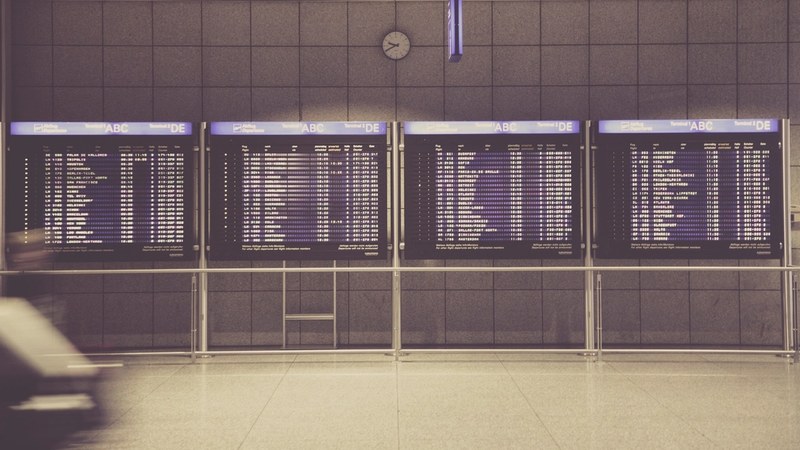
Dense freezing fog around Edmonton International Airport disrupted flight operations early on November 2, 2026, causing numerous delays and cancellations for domestic and transborder routes. Visibility dropped below operational minimums starting late November 1 and extended into the morning, limiting aircraft arrivals and departures.
Transborder flight cancellations and delays
Late-night and overnight flights from Cancun and Puerto Vallarta were cancelled by Canadian carriers due to the fog on November 1. Overnight arrivals scheduled from Las Vegas and Phoenix also faced cancellations. A Houston service arriving late November 1 experienced a significant delay, underlining the extensive impact of poor visibility at Edmonton.
Domestic route disruptions
Domestic flights connecting Edmonton
with Calgary, Vancouver, Yellowknife, and Fort McMurray were cancelled late on November 1, and several evening services from British Columbia and Alberta regional centers were delayed. These disruptions affected aircraft scheduling and ground operations throughout the early morning hours.
Weather conditions causing visibility and safety challenges
The region experienced freezing fog with temperatures below freezing and light winds preventing moisture dispersal. This led to ice accumulation risks on aircraft and infrastructure, necessitating tighter operational safety limits. Air traffic controllers reduced arrival and departure rates, holding flights on the ground or diverting as needed based on visibility thresholds.
Flight schedule recovery and ongoing impacts
By mid-morning November 2, flight status information showed gradual schedule
normalization with most major hub flights on time. However, some morning flights from Vancouver remained cancelled due to continuing aircraft and crew positioning delays. Weather forecasts indicated patchy fog and freezing conditions could persist, potentially disrupting operations later in the day.
Traveler implications and ground access challenges
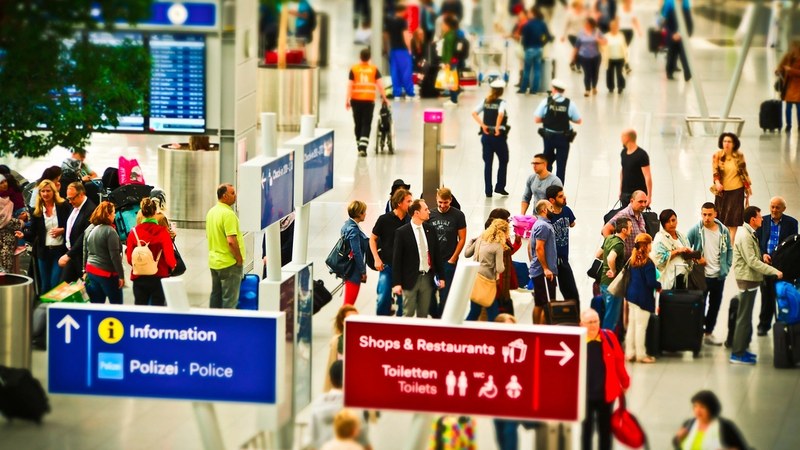
Ground transportation to Edmonton International Airport was slowed by localized fog patches on highways and rural roads south of Edmonton. Passengers connecting to northern destinations such as Yellowknife faced residual schedule changes as airlines adjusted aircraft and crew deployments. Ongoing advisories stressed monitoring flight status online to stay updated on changing conditions.
Seasonal weather pattern and airline operational adjustments
The November fog event aligns with a
seasonal pattern in central Alberta, where temperature inversions trap moisture near the surface during late autumn. Airlines prioritized trunk routes linking major hubs, while point-to-point and leisure routes experienced more cancellations. Operational protocols require minimum visibility levels for aircraft operations, influencing the uneven ability of flights to operate during dense fog spells.