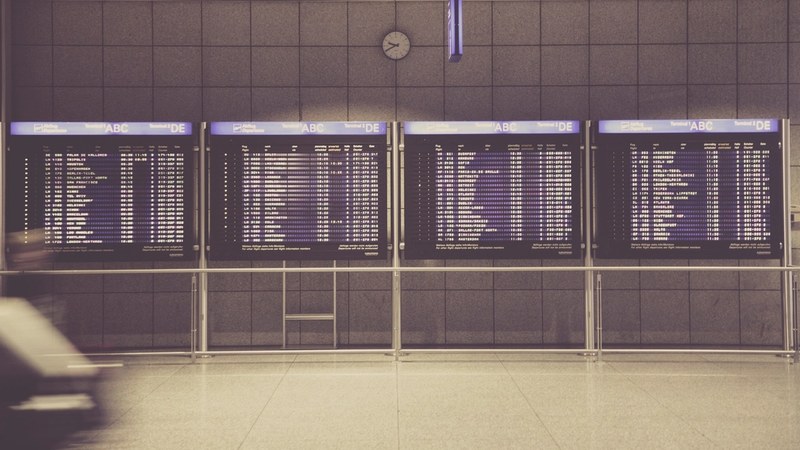
Heavy fog around Edmonton International Airport on the morning of November 2, 2026, severely disrupted flight operations, resulting in multiple delays and cancellations on domestic and transborder flights.
Weather conditions prompt flight disruptions
Edmonton International Airport recorded freezing fog and extremely low visibility from late November 1 into early November 2. Temperatures remained below freezing with light winds, limiting the dispersal of moisture and leading to persistent freezing fog in the area.
Environmental reports for central Alberta, including regions near and west of Edmonton, confirmed dense fog conditions overnight. These conditions reduced visibility on highways and rural roads south of Edmonton, impacting travel to the
airport as well as flight operations.
Flight cancellations and delays across key routes
Several Canadian carriers cancelled late-night and overnight arrivals from sun destinations such as Cancun and Puerto Vallarta. Domestic routes between Edmonton and Calgary, Vancouver, Yellowknife, and Fort McMurray were also affected by cancellations and delays late on November 1.
Transborder services faced disruption with overnight arrivals from Las Vegas and Phoenix cancelled, while a Houston service arriving late November 1 suffered a significant delay. Flights operating early on November 2 also experienced disruptions, with scattered cancellations remaining especially on routes to and from Vancouver.
Operational impact on ground handling and safety protocols
Freezing fog conditions prompted stricter operating limits on takeoffs and
landings at Edmonton International Airport. The combination of dense fog and ice accumulation risks slowed aircraft ground handling as crews implemented enhanced safety measures consistent with aviation protocols.
Aviation visibility readings early November 2 prompted airlines and air traffic control to adjust departure and arrival rates, resulting in ground holds, holding patterns, or diversions when visibility dropped below safety thresholds. These operational changes extended delays and cancellations during the overnight and morning periods.
Schedule recovery and ongoing traveler advisories
By mid-morning on November 2, flight status updates showed most daytime flights from major hubs including Toronto, Calgary, and Vancouver operating on time. Despite this improvement, some
morning flights to and from Vancouver remained cancelled as airline crews and aircraft completed repositioning.
Weather services continue to forecast patchy and freezing fog near Edmonton International Airport, with low temperatures maintaining conditions conducive to fog reformation. Travelers are advised to monitor flight statuses regularly due to the potential for renewed visibility issues.
Ground access delays may persist on highways and rural roads south of Edmonton where low visibility fog patches remain. Drivers are recommended to allow extra travel time and exercise caution when approaching fog banks en route to the airport.
Seasonal patterns and operational considerations at Edmonton Airport
Fog episodes at Edmonton International in late autumn
arise from temperature inversions and longer nights trapping moisture near the surface. Such conditions are typical across central Alberta during this time of year and pose recurring challenges for air travel and ground transportation.
While modern aircraft can operate in reduced visibility with advanced instrumentation, minimum safety visibility requirements continue to restrict airport operations during dense fog. Airlines serving Edmonton prioritize key domestic and transborder routes during these events, frequently cancelling or delaying secondary point-to-point and seasonal services.