Indian Hotels reported a 22% year-on-year increase in consolidated revenue for Q2FY27, driven by a 27% rise in revenue per available room (RevPAR) and a 700 basis point jump in occupancy to 82% from 75% in the same period last year. Average room rates increased 17%, pushing consolidated operating profit up 24%, while the operating margin expanded by 50 basis points to 28.4%. The standalone operating margin grew from 34.9% to 38.9% year on year.
Indian Hotels holds a development pipeline comprising 6,650 rooms in owned properties and 28,150 rooms in managed hotels. The firm pursues an asset-light expansion strategy
focused on signing managed hotels, allowing brand growth without full ownership of real estate. This approach supports faster market expansion and increased management fee income.
The company attributes Q2FY27 growth to robust domestic demand, heightened activities in meetings, incentives, conferences, and exhibitions (MICE), and renovations at flagship hotels nationwide. Notable events such as the BRICS Summit contributed to the surge in hotel demand. Renovations expanded capacity and improved revenues at existing hotels without requiring new construction.
Industry analysts highlight a significant supply-demand imbalance in India’s branded hotel sector, with a CBRE report estimating a need for 190,000 to 210,000 additional
hotel rooms by 2035. Current demand growth is outpacing supply increases, granting hotels greater pricing power and occupancy. This supply gap places pressure on urban markets and complicates acquiring development sites, increasing reliance on renovations and managed properties.
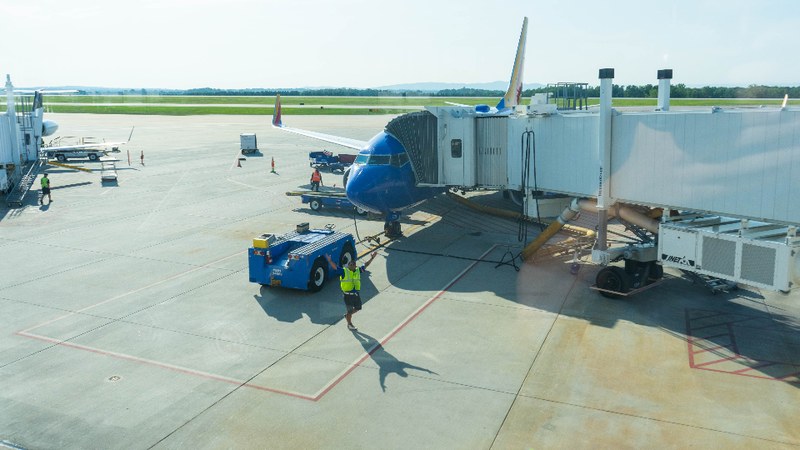
TajSATS, Indian Hotels’ airline catering subsidiary, recorded a 25% year-on-year decline in operating profit during Q2FY27. The drop stemmed from reduced air traffic caused by geopolitical disruptions in West Asia, highlighting how hospitality performance links to broader urban infrastructure, including airports and airlines.
Research firms Elara Research and Motilal Oswal Research emphasize that the persistent demand-supply mismatch will continue supporting RevPAR growth
over the next 18 months. Motilal Oswal notes Indian Hotels’ balanced room pipeline between owned and managed hotels is key to medium-term growth. Analysts also cite increased occupancy, operating leverage, and management fees as drivers of margin expansion.
Despite strong overall performance, uncertainties remain regarding the distribution and timing of supply additions. The extent to which new rooms will reduce the structural supply gap or merely keep pace with rising demand is unclear. The geographic reach of new hotel signings across India’s urban markets and sustainability of elevated MICE activity beyond major events remain open questions.