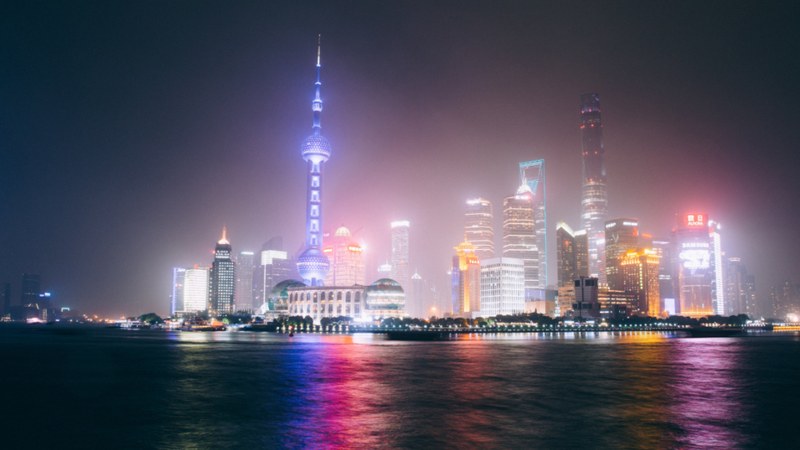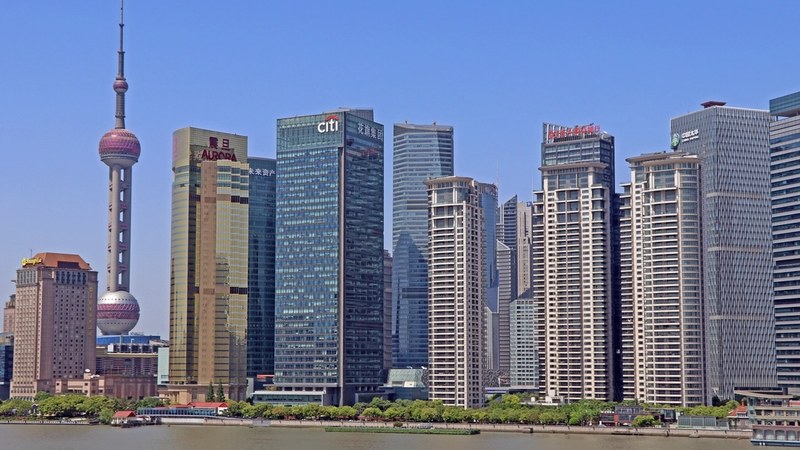
Shanghai announced its 15th Five-Year Plan for urban tourism development on October 13, 2026, aiming to generate more than 900 billion yuan ($134.5 billion) in annual tourism revenue by 2030. The city plans to welcome over 10 million inbound tourists annually and expects tourism to contribute 5 percent to its local GDP by that year.
Strong Growth in 14th Five-Year Plan Period
During the previous 14th Five-Year Plan period from 2021 to 2025, Shanghai recorded 425 million tourist arrivals in 2025. Tourism revenue reached 672.365 billion yuan that year, reflecting average annual growth rates of 12.39 percent in arrivals and 16.45 percent in revenue since 2020. Foreign
inbound visitors accounted for roughly 20 percent of all China inbound tourists, with Shanghai ranking first nationwide in this category. Cultural-tourism integration expanded significantly with 61,400 commercial performances conducted in 2025, doubling the amount from 2020, and over 1,500 cultural and art exhibitions attracting more than 50 million visitors, of whom over 60 percent traveled from outside Shanghai.
Expansion of Waterfront and Suburban Tourism Zones
The 15th Five-Year Plan focuses on spatial development by creating a world-class riverside tourism belt along the Huangpu River and Suzhou Creek. This belt will include seven distinct waterfront zones such as the Bund, Xuhui West Bund, and the Expo area. These
zones will transition from simple sightseeing locations to multifaceted urban destinations offering diverse experiences. In addition, downtown Shanghai’s cultural clusters will undergo optimization, complemented by new suburban themed tourism belts spanning areas centered on automotive culture, ancient town wellness, and industrial heritage. The city targets developing 100 rural tourism villages and 100 community attractions at or above municipal level by 2030.
Industry Integration and Tourism Experience Innovation
Shanghai plans deeper cooperation across culture, commerce, tourism, sports, and exhibition sectors. Industrial tourism will highlight smart manufacturing and large infrastructure projects through immersive visitor experiences. The rural tourism approach will shift from short day trips to multi-day stays,
emphasizing micro-resort development. Urban parks will focus on quality enhancements including open borders and integrated cultural, sports, and arts programming designed to increase visitor engagement and consumption.
Zhao Yong, director of the Shanghai Administration of Culture and Tourism, said the city will pursue diverse, personalized, and high-quality tourism options aiming for every resident and visitor to develop a stronger connection to Shanghai. The goal is for visitors to experience the city’s scenery while discovering an improved sense of self.