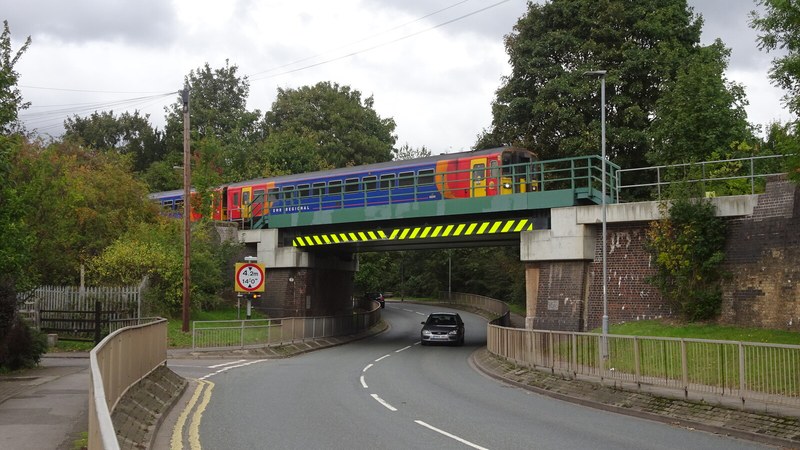
Transport Secretary Heidi Alexander apologised for the unacceptable quality of East Midlands Railway (EMR) services after months of delays, cancellations and overcrowding stemming from problems with the new Aurora (Class 810) trains.
Alexander said the railway must improve before its planned renationalisation by the end of 2027. “I recognise people have received an unacceptable service this summer and I apologise for that. It’s not good enough,” she said during a visit to Derby for the announcement of the Great British Railways headquarters location.
Fleet Problems and Service Disruptions
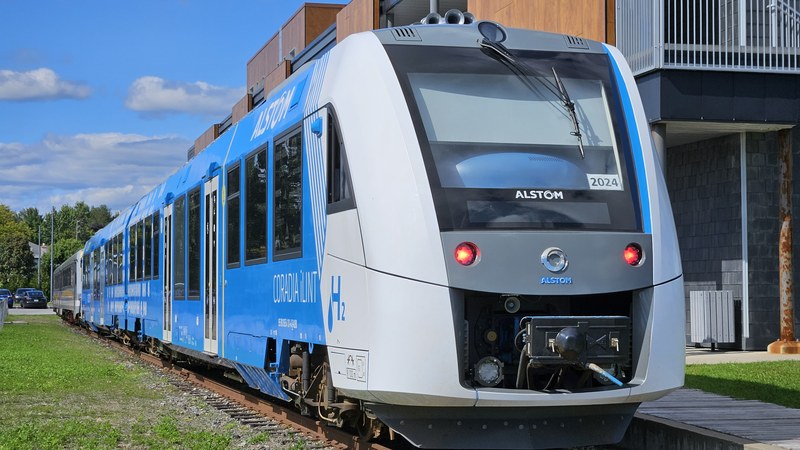
The Aurora (Class 810) trains, manufactured by Hitachi Rail, entered service in December 2025 but have suffered
ongoing operational and maintenance issues. These problems led to repeated delays and cancellations on the network serving routes between London St Pancras and Derby.
Reliability concerns triggered strike action by the RMT union representing EMR staff, including planned 24-hour walkouts on 16 and 17 September 2026 which were cancelled after talks.
Strike Actions and Service Reductions
Despite the cancelled strikes, the RMT continues “action short of strike”, causing potential short-notice alterations and cancellations. In July, EMR reduced its Intercity timetable to 87% due to maintenance challenges with both the new Aurora fleet and existing Class 222 trains.
This reduced service resulted in cancellations and fewer
carriages per train, leading to delays and overcrowding on key routes.
The EMR managing director resigned amid the ongoing Aurora-related difficulties. From 1 September 2026, Intercity operations increased to 92%, with plans to raise service levels to 96% from 19 October.
Renationalisation Timelines and Cost Savings
The UK government plans to renationalise EMR by the end of 2027, incorporating it into the new Great British Railways headquartered in Derby. The earliest date to begin contract termination without penalty is the core term expiry date starting on Sunday.
Transport Secretary Alexander stressed service improvements were required before public ownership. “So we’ve been clear with East Midlands
Railways that, prior to that private company coming into public ownership next year, they have to improve the quality of the service that people are receiving,” she said.
The Department for Transport estimates the renationalisation will save £150 million annually by ending payments to private train operators.
EMR Response and Wider Public Ownership
EMR said it had not yet received formal notification from the Department for Transport about the exact transfer date to public ownership.
A company spokesperson cited a three-year delay in delivering the Class 810 trains as a cause of service disruption and said maintenance issues with the new and existing fleets hampered consistent
operation.
EMR stated it is working closely with Hitachi Rail and the Department for Transport to restore services and reach 96% timetable operation by 19 October, apologising for the inconvenience caused.
Renationalisation is part of a broader government plan to improve rail infrastructure, reduce delays, and enhance passenger experience. Other publicly owned rail franchises include Great Anglia and South Western Railway, with Avanti West Coast services set for nationalisation in March 2027.
Alexander cautioned that renationalisation would not immediately solve challenges such as staffing shortages and punctuality issues. “I’ve always been clear that the renationalisation of the railways is not
going to be a silver bullet that transforms things overnight,” she said.