Shanghai released its 15th Five-Year Plan for innovative development of urban tourism on October 13, 2026, aiming to generate more than 900 billion yuan ($134.5 billion) in annual tourism revenue and attract over 10 million inbound visitors each year by 2030. The plan also sets a target for tourism value-added to account for 5 percent of the city’s local GDP by that year.
14th Five-Year Plan Achievements from 2021 to 2025
During the 14th Five-Year Plan period from 2021 to 2025, Shanghai recorded 425 million tourist arrivals and tourism revenue totaling 672.365 billion yuan in 2025. The city experienced an average annual growth rate of 12.39 percent in
tourist arrivals and 16.45 percent in tourism revenue during 2020-2025. Foreign inbound visitors to Shanghai represented one-fifth of the total inbound visitors to China, ranking the city first nationwide in 2025.
Cultural and tourism integration expanded, with Shanghai hosting 61,400 commercial performances in 2025, doubling the number from 2020. Over 1,500 cultural and art exhibitions attracted more than 50 million visitors, over 60 percent of whom came from other provinces.
Development of Riverside Tourism Belt and Waterfront Zones
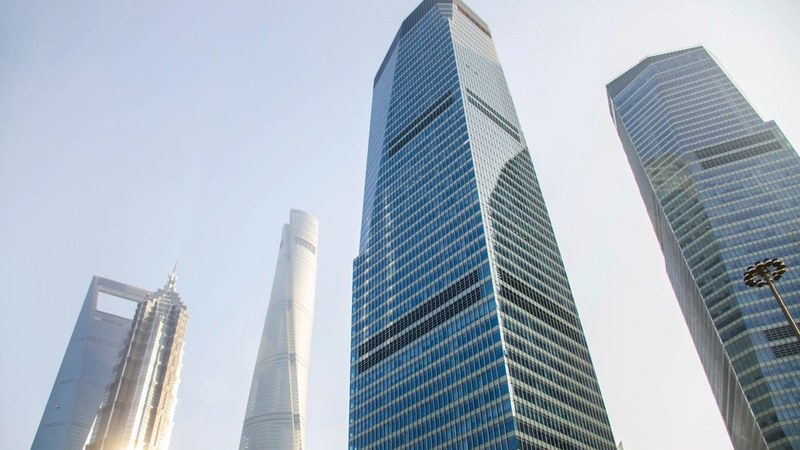
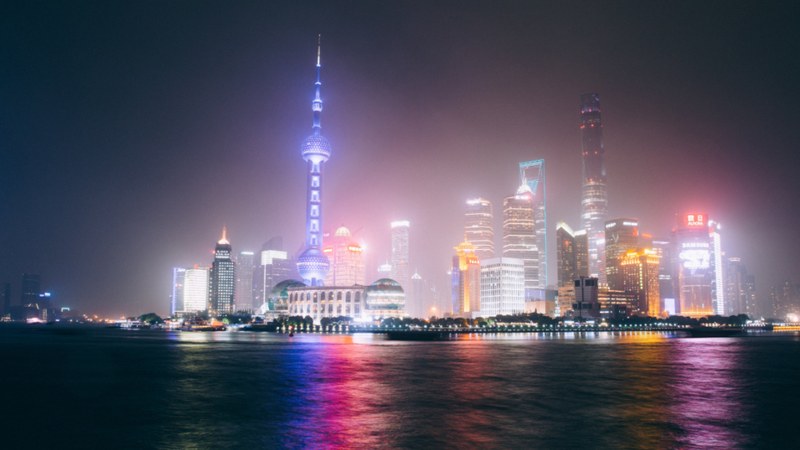
The new plan focuses on integrated urban-scenic development, including constructing a world-class riverside tourism belt along the Huangpu River and Suzhou Creek. This belt will encompass seven distinctive waterfront zones
such as the Bund, Xuhui West Bund, and the Expo area. These waterfronts will transform from isolated sightseeing spots to multi-experience urban destinations enhancing the overall visitor experience.
Cultural Cluster Optimization and Suburban Tourism Growth
Shanghai’s downtown cultural clusters will undergo optimization to offer improved urban tourism experiences. In suburban areas, the city will develop themed tourism belts that focus on auto culture, ancient town wellness, and industrial heritage. By 2030, the plan aims to establish 100 key rural tourism villages and 100 community attractions above municipal level, expanding the municipal tourism network into suburban and rural locations.
Integration of Culture, Commerce, and Advanced Tourism Offerings
The plan emphasizes deepening coordination among culture, commerce, tourism,
sports, and exhibitions to provide diversified tourism experiences. Industrial tourism will highlight smart manufacturing and mega infrastructure, offering immersive experiences related to these sectors. Rural tourism is set to transition from predominantly day trips to overnight stays through the development of micro-resorts.
Urban Parks and Quality Enhancements
Shanghai will shift from increasing the number of urban parks to improving their quality. Parks will feature open perimeters and integrated programs that combine cultural, sports, and arts activities aimed at raising consumer engagement and satisfaction.
Zhao Yong, director of the Shanghai Administration of Culture and Tourism, stated that the city will continue innovating to provide diverse, personalized,
and high-quality tourism products. This approach is intended to deepen the connection between residents, visitors, and the city, enabling everyone to engage with the scenery and discover enhanced experiences.