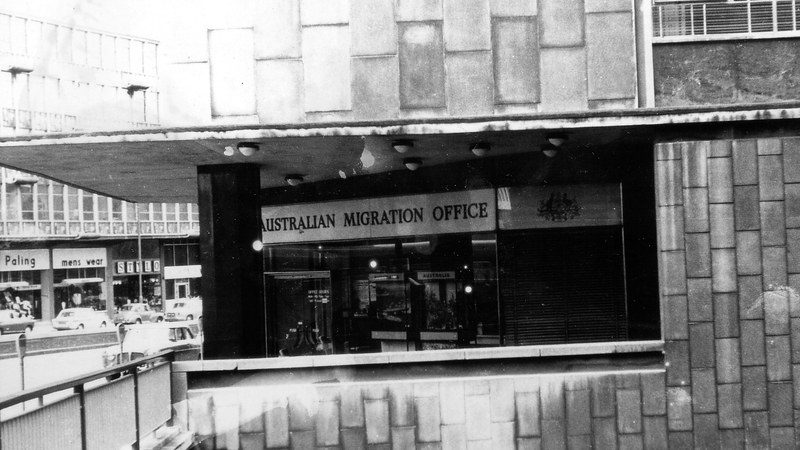
The Australian Coalition opposition announced plans to reduce net overseas migration to 100,000 annually for two years beginning in 2026, a significant cut from current levels. Temporary visa holders, which number approximately 1,766,200 in the current financial year, would be reduced by about 650,000 over four years. The net migration target would rise to 130,000 in the third year and 160,000 in the fourth. Permanent skilled migration places would remain steady at 185,000 each year.
Political Leadership and Migration Policy Direction
Coalition opposition leader Angus Taylor described the plan as “the biggest cut to immigration in the history” of Australia. Taylor emphasized regaining control of borders
and tailoring immigration policy strictly for Australian interests. Nationals leader Matt Canavan called it an “Australia first migration plan” meant to protect Australian wages from being undercut by cheap foreign labor. The Coalition faces competition from One Nation, whose leader Pauline Hanson advocates for even deeper cuts, aiming to reduce temporary migrants by over 750,000 in three years. Labor proposes moderate reductions, targeting net migration down to 245,000 in 2026-27 and 225,000 in 2027-28.
Visa Reforms and Category-Specific Changes
The Coalition plans major reforms across visa categories. Humanitarian visa places would halve to 10,000 from Labor’s current cap of 20,000. Bridging and temporary protection visa
holders would shrink sharply from over 400,000 to 20,000. International student commencements are set to drop to 240,000, reducing overseas enrolment in higher education institutions to below 25%. Temporary graduate visas will be abolished, and the majority of students’ family members will be barred from accompanying them. Skilled worker visas will be prioritized based on profession, income, age, English proficiency, and full-time employment, with a focus on construction. Working holidaymaker visa fees will rise except for backpackers working in regional Australia. The government also plans to double talent and innovation visas to 7,000 places through a new Aukus and Five
Eyes visa and establish a strike force to reduce construction visa application backlogs.
Official Statements and Industry Responses
Angus Taylor called the proposal “a better way with lower numbers and with higher standards.” Nationals leader Matt Canavan said, “We’re not just a campground, we are a nation of borders… we owe Australians a living wage, not to have their salaries undermined by a cheap foreign labour force.” Labor MP Matt Keogh described the cuts as “absolutely catastrophic” for the economy and service sectors, while former Labor minister Ed Husic criticized the Coalition for politicizing immigration amidst global competition for skilled labor. The Australian Chamber of
Commerce and Industry’s CEO, Andrew McKellar, warned that such scale of cuts would harm the economy, rejecting the notion that Australia must choose between fewer migrants with higher skills or more migrants with lower skills. Master Builders Australia supported the emphasis on skilled migration but expressed uncertainty about other policy aspects.
Impact on Industries and Migrants
The construction sector, facing skilled labor shortages, will benefit from the Coalition’s strike force to process backlog applications. However, changes to working holidaymaker visas and the abolition of temporary graduate visas affect hospitality, agriculture, and education sectors, particularly in regional Australia where some fee exemptions for backpackers will apply.
International students will face stricter visa regulations and limitations on bringing family members, reducing post-study work opportunities. These reforms will reshape the temporary visa landscape, directly impacting labor supply in several key industries.
Political Context and Background
Migration reforms respond to rising anti-migration sentiment and competition from One Nation, whose policies influence the major parties. The Coalition links overseas arrivals to housing completions, aiming to control population growth and border security. Labor and One Nation have separately proposed cuts to net overseas migration amid criticism of the tertiary education sector for exploiting visa pathways rather than focusing on education. This policy shift represents the
most significant migration reduction effort in Australia’s history.