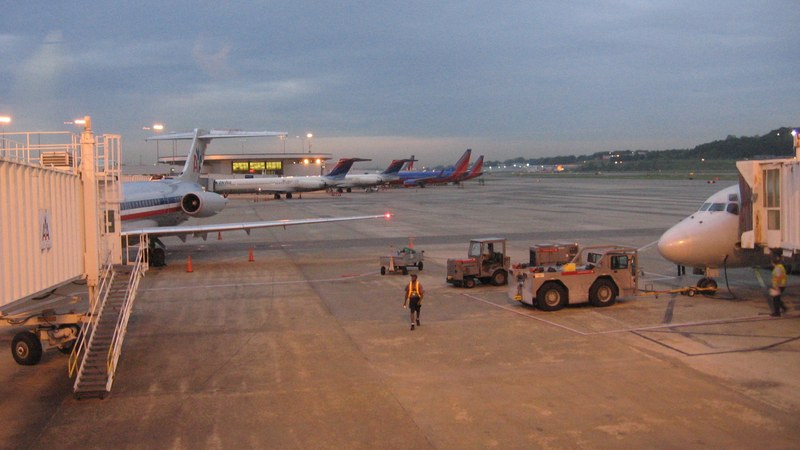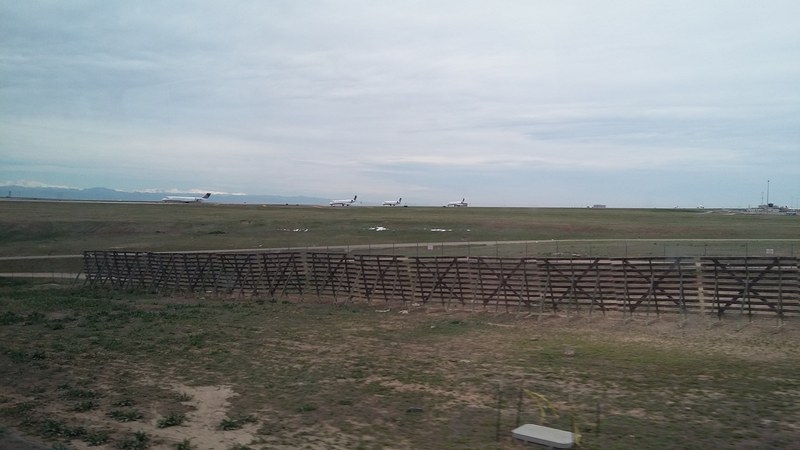
The Federal Aviation Administration (FAA) implemented a Ground Delay Program (GDP) for Dallas/Fort Worth International Airport (DFW) early on October 1, 2026, resulting in extensive flight disruptions at the major Texas hub. Inbound flights to DFW experienced average delays exceeding one hour, with peak delays surpassing two hours. FlightAware real-time tracking identified DFW as the most disrupted airport globally, reporting 74 cancelled departures, representing 6% of total departures, 13 delayed departures, 76 cancelled arrivals (6% of arrivals), and 114 delayed inbound flights making up 10% of inbound traffic. The GDP was expected to remain in effect until at least 10
a.m. local time to manage the severe congestion caused by adverse weather conditions.
Airline Travel Alerts and Airport Delays
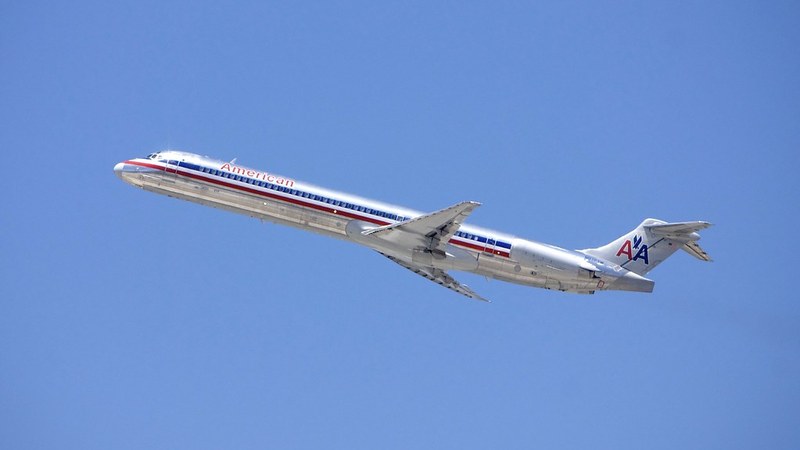
American Airlines responded to the disruption by issuing a travel alert for October 1, 2026, allowing passengers flying to, from, or through DFW to rebook flights without incurring change fees or fare differences, provided they maintained their original cabin class and rebooked within the authorized timeframe. Meanwhile, Dallas Love Field (DAL) experienced average departure delays of approximately 54 minutes due to passing storm cells impacting operations. Southwest Airlines released a travel advisory for DAL, permitting passengers holding reservations to rebook in their original class of service or
travel standby within 14 days of their original travel date without additional fees.
Severe Weather Causes Widespread Disruptions
Severe thunderstorms struck the Dallas region on October 1, 2026, prompting the FAA to enact the Ground Delay Program at DFW to mitigate air traffic flow complications. The storm system generated flight cancellations and delays both at Dallas/Fort Worth International Airport and Dallas Love Field. The extent of the disruption positioned DFW as the most heavily affected airport worldwide on that date according to flight tracking data. The FAA’s GDP and airline responses aimed to accommodate passengers amid the significant operational challenges posed by the weather.