The completion of the Rail Baltica high-speed rail project has been postponed from 2030 to 2034 following an agreement by the prime ministers of Estonia, Latvia, and Lithuania on September 22, 2026. The Baltic states committed to making the rail main line operational within the European Union’s Multiannual Financial Framework for 2028–2034, adjusting their initial target to extend the construction timeline.
Project Costs and EU Financing Framework
The first phase of Rail Baltica is currently estimated to cost €15.3 billion, significantly higher than the initial €5.8 billion estimate in 2017. A 2023 evaluation raised the total project cost to approximately €23.8 billion. Financing the project within
the previous 2030 deadline would have placed substantial pressure on the national budgets of the Baltic states.
The European Union is the primary external backer, funding up to 85% of the project through the Connecting Europe Facility. The Baltic governments intend to leverage the EU’s 2028–2034 budget period to secure the necessary financing to complete the first implementation phase. Earlier in 2026, the European Court of Auditors emphasized that adequate funding during this financial cycle is critical to achieving project milestones.
Rail Baltica’s Scope and Infrastructure Plans
Rail Baltica aims to connect Tallinn, Riga, and Vilnius with the broader European standard-gauge rail network, including routes extending
to Warsaw, Poland. The project seeks to replace the Baltic region’s broad-gauge rail system inherited from the Soviet era with standard-gauge tracks compatible with Western Europe.
The initial phase will establish a continuous north-south corridor across the three Baltic countries, incorporating single-track sections at launch. Subsequent phases plan to add double tracking and direct connections to key locations such as Riga Airport and Kaunas, supporting regional and international rail connectivity.
Tender Failure for Regional Trains and Next Steps
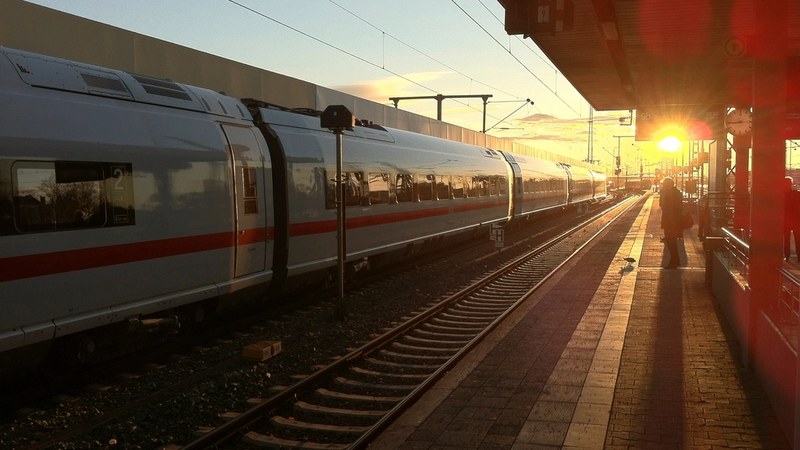
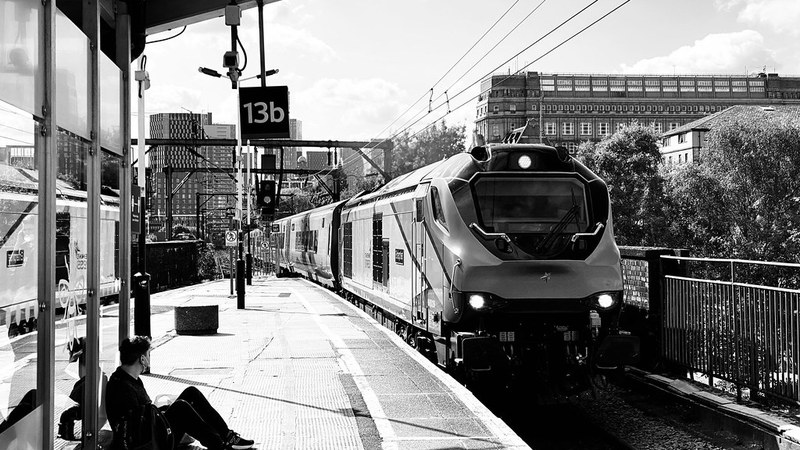
In September 2026, Rail Baltica’s three regional operators—Estonia’s Elron, Latvia’s Vivi, and Lithuania’s LTG Link—issued a joint tender for up to 20 standard-gauge trains capable of speeds up to 200
km/h. The tender deadline was September 8, but no bids met the technical requirements.
Six manufacturers registered interest, yet none submitted compliant offers. The operators plan to revise the tender documentation and relaunch procurement. Under this tender, Estonia intends to acquire five trains with options for two more, Latvia up to five, and Lithuania up to eight trains.
Travel Impact and Government Commitment
The delay in Rail Baltica’s completion means passengers will have to wait longer for the full high-speed rail link across the Baltic States, moving beyond the original 2030 target. The three governments reaffirmed their political commitment to finishing the strategic railway despite
financial constraints.
The September 22 joint declaration commits to completing the main line during the 2028–2034 EU budget period without defining a specific date. This shift provides room for funding adjustments but extends the timeline by at least four years, affecting passengers’ expected access to faster regional rail connections.