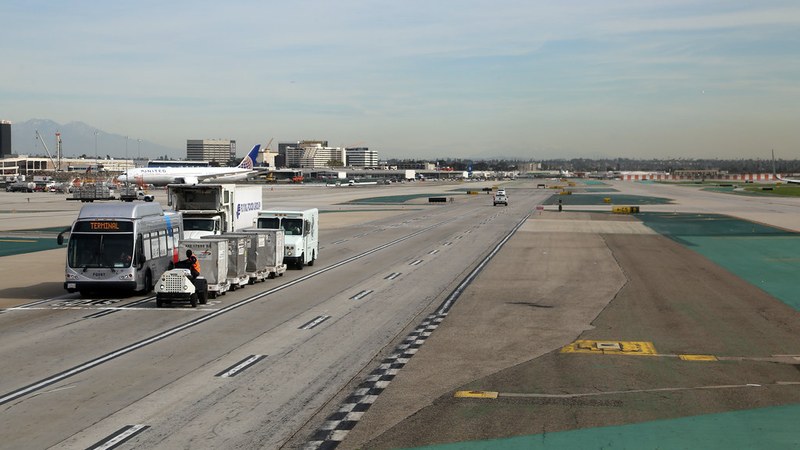
On September 21, 2026, a Verizon fiber-optic cable was accidentally severed by NJ Transit construction workers in New Jersey, triggering ground stops and extensive flight disruptions at Newark Liberty International Airport, Philadelphia International Airport, and New York’s JFK and LaGuardia airports.
Flight Cancellations, Delays, and Diversions Across Northeast Airports
By 6 p.m. on September 21, more than 600 flights to and from Newark were canceled, representing over half of the airport’s daily flights. Nearly 100 additional Newark flights were delayed. Philadelphia International Airport experienced more than 200 cancellations and over 400 delays. The disruption extended to New York City, with the FAA halting flights into JFK and LaGuardia,
causing residual delays into the late afternoon.
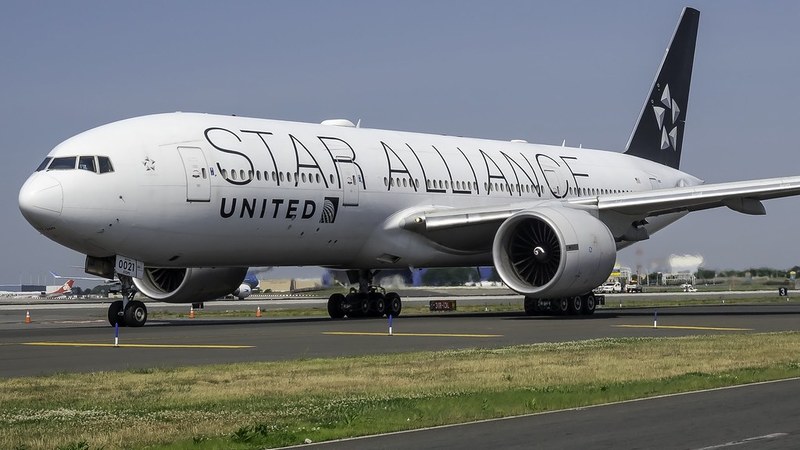
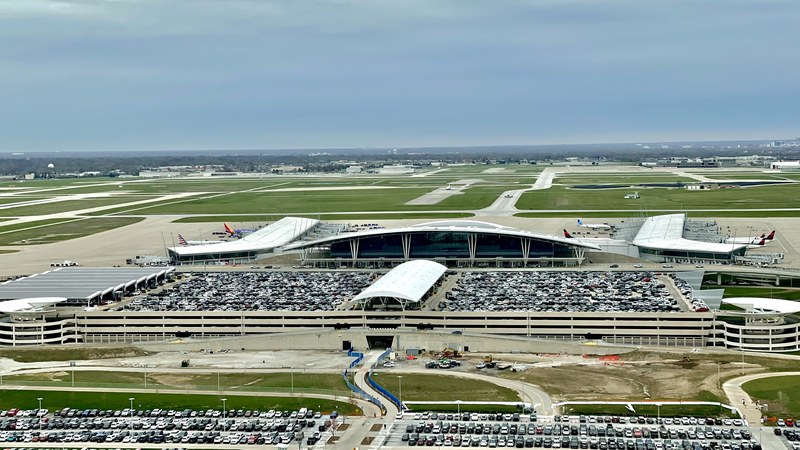
Flight diversions included over 100 planes originally bound for Newark rerouted to other U.S. airports. International flights from Iceland, Egypt, Greece, Spain, and France were affected. A United Airlines flight from Berlin was diverted to Detroit Metropolitan Wayne County Airport while a Scandinavian Airlines System flight from Stockholm was rerouted to Washington Dulles International Airport.
Technical Causes and Impact on Air Traffic Control
The initial failure occurred in the primary air traffic control circuit; when switching to the backup, FAA Administrator Bryan Bedford reported the backup fiber-optic cable was also found severed. Both outages impaired the Terminal Radar Approach Control (TRACON)
facility in Philadelphia, which manages arrivals and departures for Newark and Philadelphia airports.
Official Responses and Repair Efforts
NJ Transit acknowledged its construction crew inadvertently cut the Verizon fiber-optic cable during a rail project between New Brunswick and North Brunswick, New Jersey, about 10 feet from existing utility markings. The agency is investigating the accuracy of those markings.
Verizon denied responsibility for the severing, stating that its facilities were fully operational before the incident and that it promptly deployed technicians to repair the damage. FAA officials confirmed flight operations began resuming late Monday evening after repairs were completed.
United Airlines waived flight change fees and
offered additional pay to staff covering Newark trips. American Airlines also waived fees and allowed customers to fly out of alternate airports. U.S. Transportation Secretary Sean Duffy stated, “This incident underscores the need for additional funding to modernize aging infrastructure and prevent disruptions like this in the future.”
Passenger Delays and Operational Challenges
Passengers faced delays up to 150 minutes at Newark, JFK, LaGuardia, and Philadelphia airports. Some experienced extended tarmac holds; for example, a passenger from an Edinburgh flight to New York remained on the plane at Boston Logan Airport for over two hours without information.
More than 100 flight diversions not only affected
scheduling but also strained alternate airports and airlines handling unexpected arrivals. The outage’s timing compounded airport congestion as many international leaders were arriving in New York for the United Nations General Assembly.
Infrastructure Modernization and Regional Impact
The incident exposed the vulnerability of critical air traffic control systems relying on aging infrastructure with limited redundancy. The FAA and U.S. Department of Transportation have announced multibillion-dollar plans to upgrade national air traffic control equipment and technology.
The cut Verizon fiber line, severed during NJ Transit construction, disrupted operations at Newark, JFK, LaGuardia, and Philadelphia airports, highlighting the need for enhanced protections and modernization in infrastructure supporting
heavily trafficked air corridors.