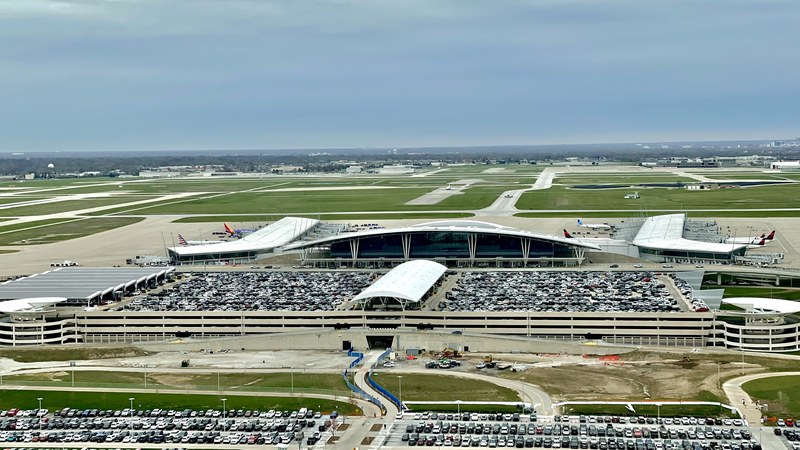
On September 21, 2026, U.S. airports experienced widespread flight disruptions with 1,358 delays and 85 cancellations reported nationwide.
Dallas Fort-Worth International Airport (DFW) recorded the highest number of disruptions, posting 45 delays and 8 cancellations according to FlightAware. Other airports affected by weather-related delays and cancellations include hubs in Atlanta, Charlotte, Florida (Fort Lauderdale, Miami, Orlando, Tampa), Dallas, and Houston.
United Airlines Leads in Delays and Cancellations
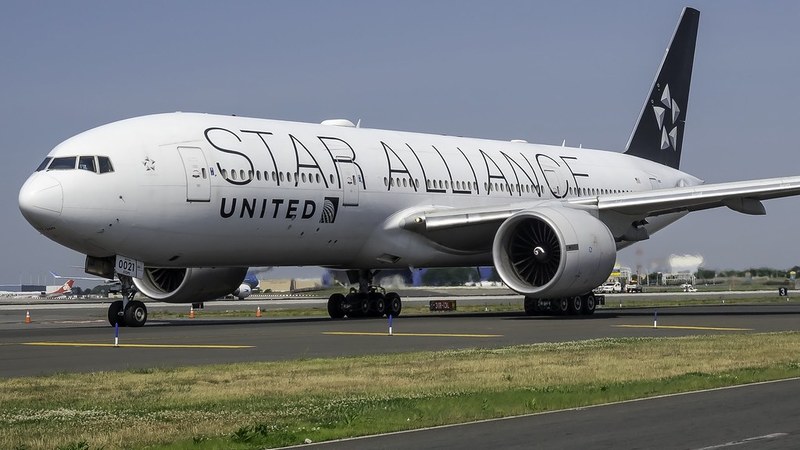
United Airlines reported the most flight disruptions among U.S. carriers on that day, registering 102 delays and 22 cancellations. These disruptions spanned multiple airports, complicating travel schedules for its passengers.
Weather Conditions Cited for Widespread Impact
The Federal Aviation Administration (FAA) attributed the disruptions primarily to
thunderstorms affecting southern and southeastern airports, including Atlanta (ATL), Charlotte (CLT), Dallas (DFW, DAL), Houston (HOU, IAH), and various cities in Florida. Additionally, low clouds hampered operations at key hubs in New York (JFK, LGA, EWR), Philadelphia (PHL), Washington, D.C. (DCA, IAD, BWI), Seattle (SEA), and San Francisco (SFO). Wind conditions in Las Vegas (LAS) further contributed to flight interruptions.
Traveler Guidance for Flight Disruptions
Travelers on September 21 were advised to monitor flight status actively via airline websites or apps. Enabling notifications for gate changes, delays, and cancellations was recommended. Passengers connecting through busy airports were encouraged to allow extra time. Keeping essential items
in carry-on luggage and reviewing refund and rebooking policies were also advised to manage extended disruptions effectively.