Chicago O’Hare International Airport experienced 1,055 flight delays and 175 cancellations on September 17, 2026. The Federal Aviation Administration (FAA) imposed a ground stop lasting nearly two hours, resulting in average ground delays of 126 minutes during the event.
Thunderstorm-Driven FAA Ground Delay Program at O’Hare
The disruption was caused by thunderstorm activity moving through the Chicago region, prompting the FAA to implement traffic management restrictions to ensure safe aircraft spacing. Chicago O’Hare’s geographic location exposes it to weather systems from Canada, the Gulf of Mexico, and Lake Michigan, creating conditions that destabilize storms and lead to unpredictable weather impacts on airport operations.
The FAA’s delay program
reduced hourly aircraft movements, causing substantial traffic backlogs at O’Hare, one of the nation’s busiest hubs.
Airlines Significantly Affected by Delays and Cancellations
United Airlines and American Airlines, which operate major hubs at Chicago O’Hare, absorbed considerable operational disruption. Southwest Airlines reported 893 delayed flights nationwide on September 17, with a notable portion linked to the Chicago area. Regional carriers SkyWest, Republic Airways, and Envoy Air also reported delays and cancellations associated with O’Hare’s ground stop.
Disruption Severity Compared to Earlier 2026 Events
The September 17 disruption dwarfed previous large-scale delay events at O’Hare this year. In July 2026, the airport reported 326 delays and 18 cancellations, while a mid-June event produced 257 delays
and 7 cancellations. The September totals were roughly three to four times higher than those earlier incidents, making it a significant outlier for the year.
Passenger Impact and Rights During the Event
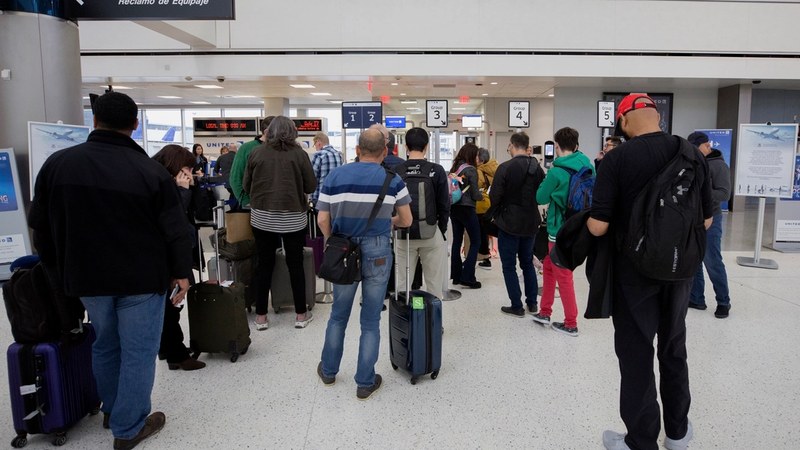
Passengers faced missed connections, extended waits for rebooking, and overcrowded gate counters during the disruption. Aircraft and flight crews ended the day out of position, extending operational disruption beyond the storm period. Travelers affected by any of the 175 cancelled flights were entitled to full refunds to their original payment methods if they declined alternative routing.
Thunderstorm-induced ground delays are classified as outside airline control, so Department of Transportation compensation for controllable delays is generally
not applicable. The DOT mandates that passengers on domestic flights must be allowed to deplane after spending three hours on the tarmac, except under limited safety exceptions.
Advisories for Travelers and Industry Context
Travelers routing through Chicago O’Hare are advised to verify flight status before arriving at the airport, prioritize morning departures to avoid afternoon and evening backlog, and contact airlines directly following cancellations. Scheduling extra connection buffer time at O’Hare is recommended due to ongoing residual disruption after the storm cleared.
On September 17, Chicago O’Hare accounted for about a quarter of all domestic flight delays in the United States, illustrating the airport’s scale and
the compounding effects of FAA traffic management programs during severe weather.