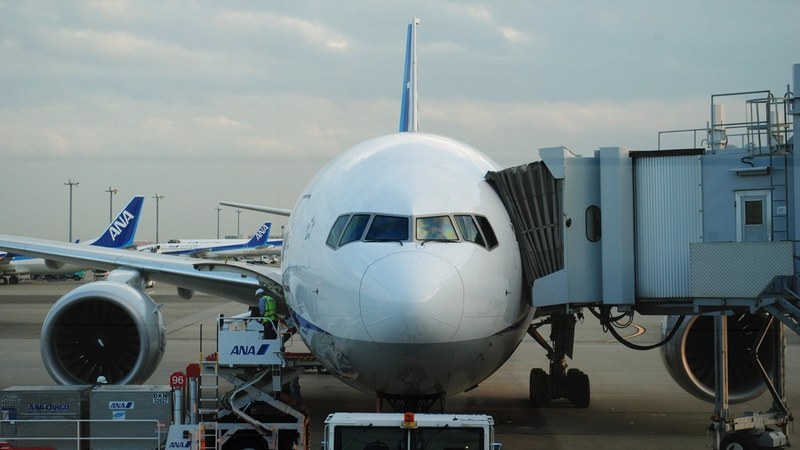
Chicago O’Hare International Airport recorded 1,055 flight delays and 175 flight cancellations on September 17, 2026, following an FAA ground stop lasting nearly two hours. Ground delays averaged 126 minutes, creating the worst disruption at O’Hare since summer 2026.
Major Airlines Face Disruption
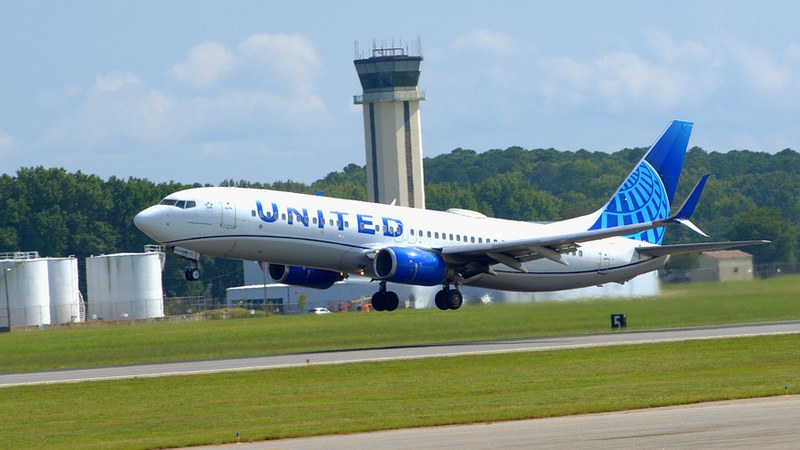
United Airlines and American Airlines, both primary hub carriers at O’Hare, experienced substantial operational disruption. Southwest Airlines reported 893 delayed flights nationwide on the same day, with a significant portion linked to Chicago-area operations. Regional carriers SkyWest Airlines, Republic Airways, and Envoy Air also reported delays tied directly to the O’Hare event.
Thunderstorm Activity Drives Delays
The delays and cancellations were caused by thunderstorm activity
moving through the Chicago region. O’Hare often faces weather challenges from cold fronts coming from Canada, moisture-laden systems from the Gulf of Mexico, and lake-effect instability from Lake Michigan. Thunderstorm-driven FAA ground delay programs limit aircraft movements per hour to maintain safe spacing, causing backlogs and extended delays.
Disruption Surpasses Previous 2026 Events
The September 17 disruption is roughly three to four times greater than prior 2026 O’Hare disruptions. A July event recorded 326 delays and 18 cancellations, while mid-June saw 257 delays and 7 cancellations, showing the scale of the recent disruption.
Passenger Impact and Post-Event Guidance
Passengers at O’Hare on September 17 faced long waits, missed connections, and
extensive rebooking queues. Those affected by any of the 175 cancellations were entitled to full refunds to their original payment method if they declined rebooking. DOT rules allow refunds for cancellations but not for delays outside airline control, such as weather. Domestic flights must deplane passengers after three hours of tarmac delay with few exceptions.
Travelers were advised to check flight status updates, favor morning departures, allow extra connection time at O’Hare, and contact airlines directly if their flight was cancelled. Residual delays and cancellations were expected after the weather cleared.
Operational Scale Amplifies Delay Impact
O’Hare is one of the busiest connecting hubs in
the U.S. and the world, greatly amplifying the impact of weather-related ground delay programs. The 1,055 delays at O’Hare on September 17 represented roughly a quarter of the nation’s total flight delays that day. Thunderstorm events at high-volume hubs create compounded delays that can take hours to resolve.
Passenger Steps After Disruption
Passengers affected should monitor flight updates actively and consider rebooking strategies to accommodate ongoing disruptions. They have the right to refunds for cancelled flights from the September 17 event per DOT policies. Building extra buffer time and checking directly with airlines remain crucial for travel through O’Hare in the days following disruptions.